dailynewsnblog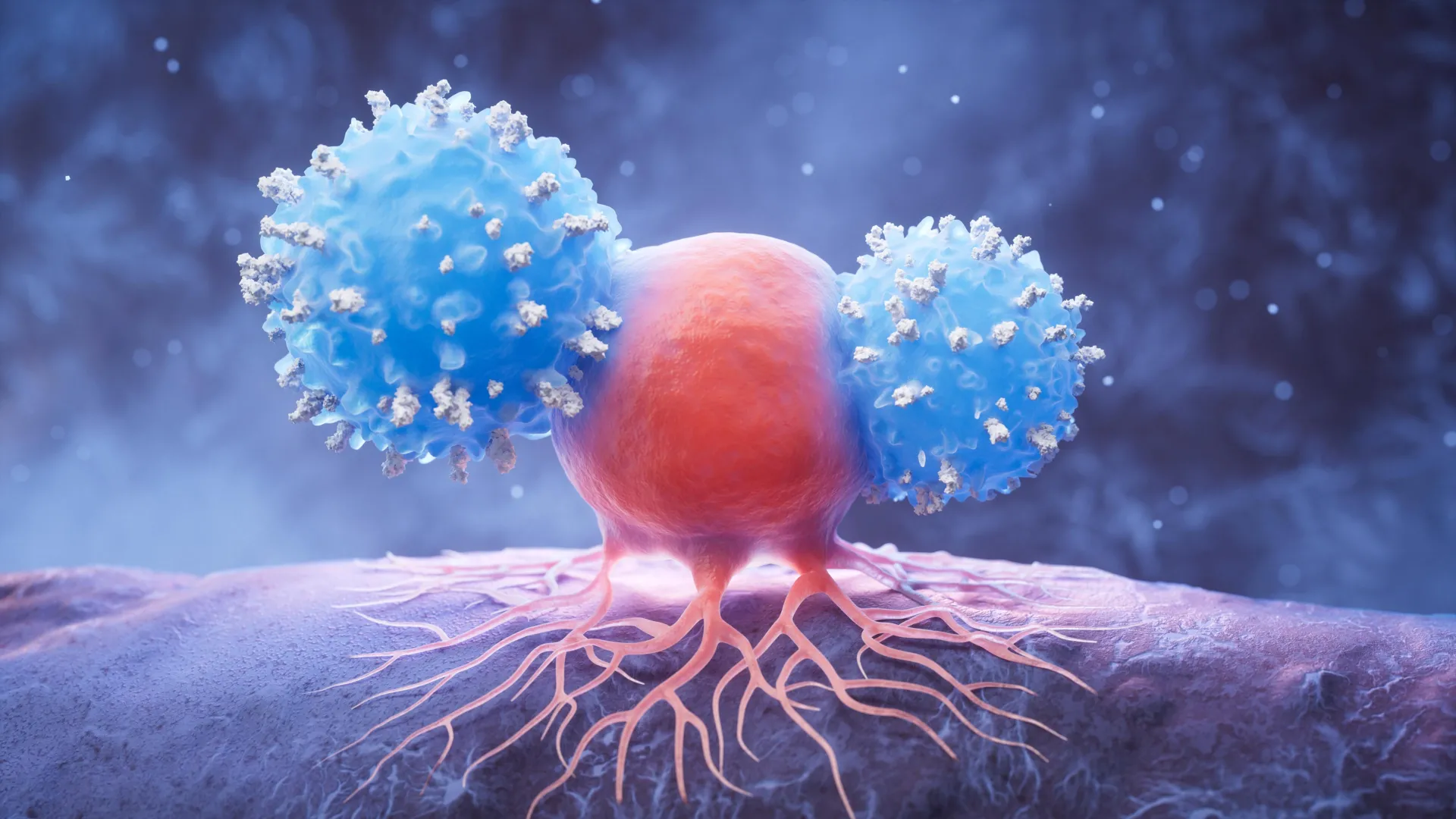
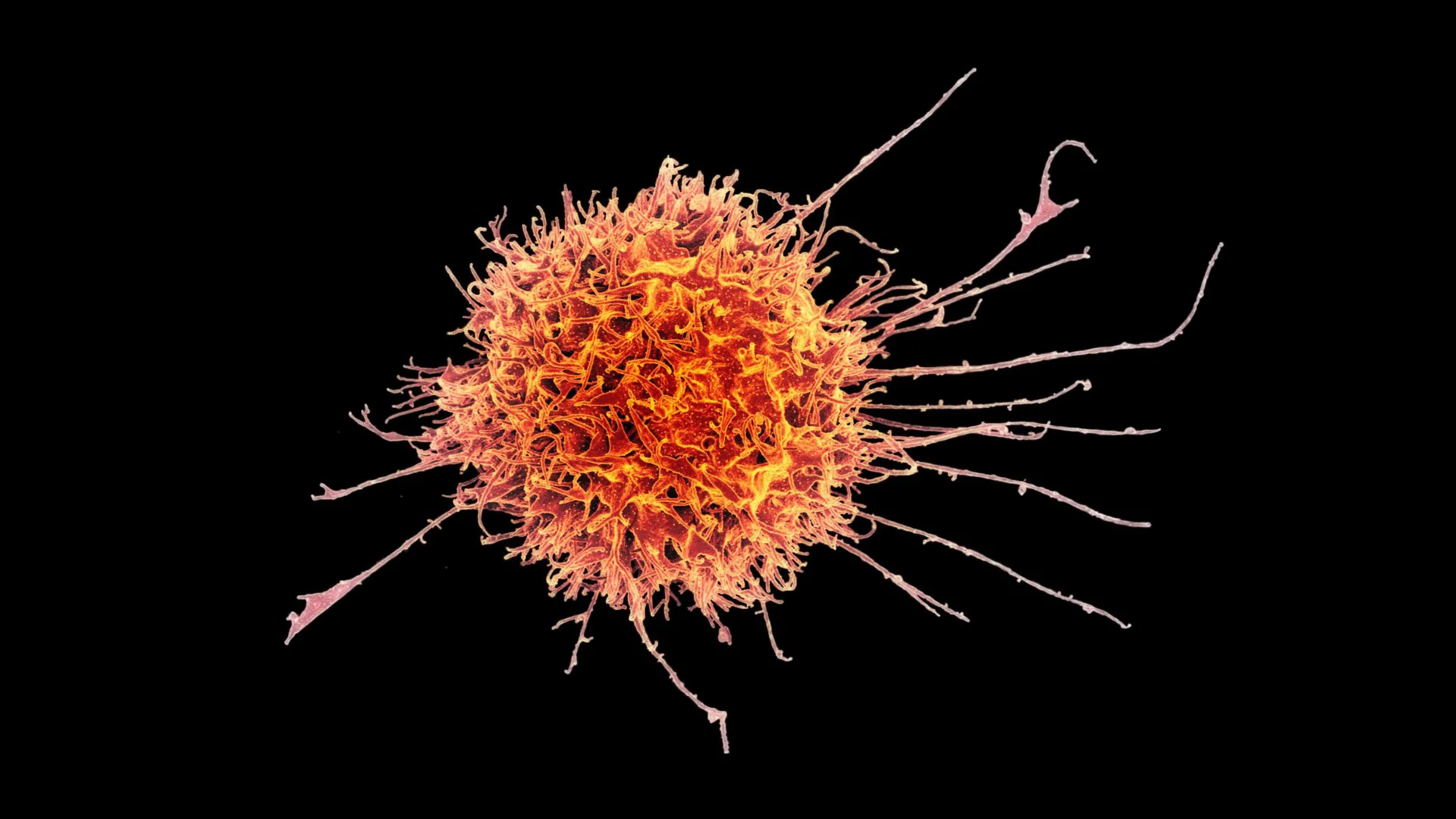
People who live to exceptionally old ages may retain an immune system that continues adapting to new threats. Researchers have found that supercentenarians, people who reach age 110 or older, carry unusually high levels of specialized immune cells called CD4 cytotoxic T lymphocytes (CD4 CTLs).
These cells have previously been shown to kill tumor cells in certain cancers. During illness, they can also reproduce rapidly through a process called clonal expansion, helping the immune system respond to infection. New research published August 19 in the Cell Press journal Cell Reports suggests that this same type of immune activity may be associated with healthy aging in people who live beyond 110.
“Immune aging is not simply a process of decline,” says first author Kosuke Hashimoto, an associate professor at the University of Osaka in Japan. “The selective expansion of certain T cells suggests that, even in extreme old age, the immune system may continue to adapt to age-related challenges.”
Killer T Cells Increase With Age
CD4 CTLs have emerged as a distinctive cellular feature of supercentenarians. In the new study, researchers found evidence that these rare cells not only become more common in extremely old adults, but also continue to expand and adapt.
“CD4 CTLs are an atypical and relatively rare T cell population,” Hashimoto says. “So, their marked increase in supercentenarians may provide important clues as to how the immune system is maintained in extreme old age.”
The team examined blood samples from 28 adults divided into three age groups: 70-99, 100-109, and 110 and older. The median proportion of CD4 CTLs rose steadily across those groups, from 4% in the youngest group to 9.6% among people ages 100 to 109 and 17.6% among those aged 110 and older.
The findings indicate that the expansion of these cells may begin around age 100. However, the pattern was not limited to centenarians or supercentenarians. One participant younger than 100 actually had the highest proportion of CD4 CTLs observed in the study.
Large Clones Point to Persistent Immune Threats
To understand why these cells become so abundant, the researchers examined the participants’ T cell receptors. Their analysis indicated that clonal expansion plays an important role.
When the immune system encounters a threat, CD4 CTLs can make copies of themselves. Among the study participants, the largest individual clone represented an average of 33.3% of all CD4 CTLs. That concentration suggests that some older adults may be mounting sustained responses to ongoing immune challenges.
The effect was especially striking in one centenarian. In that person’s blood sample, a single clone made up 53.8% of all CD4 CTLs.
Researchers then compared the receptor sequences from each participant’s dominant CD4 CTL clone with sequences stored in a public database. Nearly three dozen matches came from people diagnosed with cancer, specifically lung, breast, and liver cancers.
None of the centenarians or supercentenarians in the study had been diagnosed with those cancers. The researchers therefore proposed that the expansion of these immune cells could reflect early responses to abnormal or potentially cancer-related targets.
“Some CD4 CTLs may recognize cancer-related targets, although their exact targets remain unknown,” Hashimoto says.
A Possible Link to Healthy Aging
The findings do not establish that high levels of CD4 CTLs protect against cancer or directly help people live longer. The study examined T cells circulating in the blood, and researchers still do not know exactly what these cells are doing elsewhere in the body.
Hashimoto says the next step will be to investigate how CD4 CTLs behave inside human tissues.
“As we age, abnormal cells, including senescent and cancerous cells, become more common,” Hashimoto says. “Our findings suggest that immune adaptation to these changes may contribute to exceptional longevity.”
This work was supported by Japan Society for the Promotion of Science KAKENHI grants, the Promotion Program for Frontier Protein Research from the Institute for Protein Research, the University of Osaka, the Takeda Science Foundation, the Mochida Memorial Foundation for Medical and Pharmaceutical Research, research grants for Keio University Global Initiative Research Projects, and a research grant from the Ministry of Education, Culture, Sports, Science and Technology to the RIKEN Center for Integrative Medical Sciences.