dailynewsnblog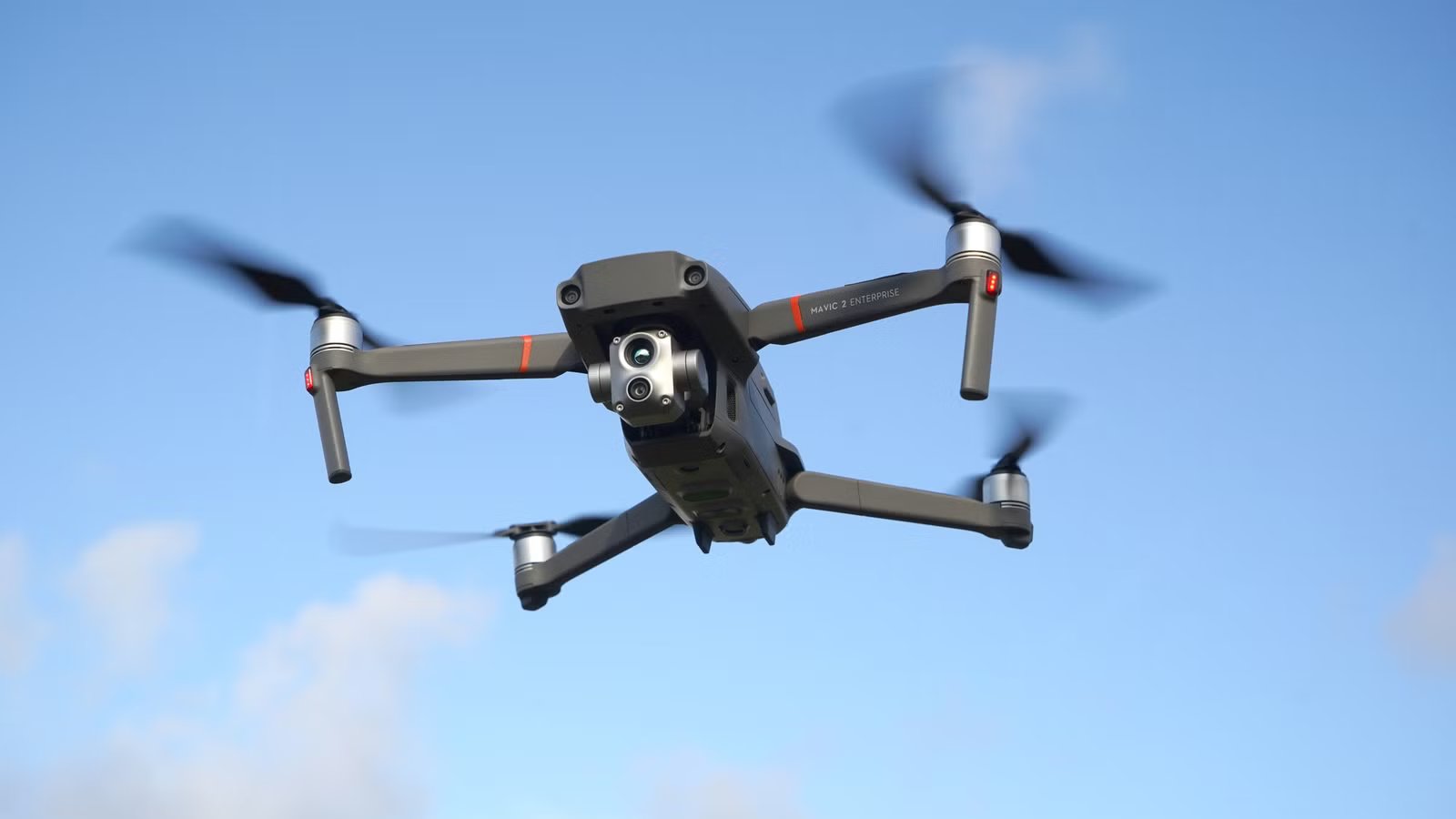
US authorities have seized more than 300 drones operating illegally near FIFA World Cup stadiums and related venues since the tournament began, according to the Transportation Security Administration (TSA). The figure highlights the scale of the aerial security challenge facing federal agencies as the United States hosts one of the largest sporting events in the world, with officials warning that unauthorized drones pose a direct risk to spectators, players, aircraft, and security operations. Recent enforcement efforts have been carried out by a coordinated network of agencies that includes the TSA, Federal Aviation Administration (FAA), Department of Homeland Security, Federal Bureau of Investigation (FBI), and local law enforcement partners.
The announcement comes after months of public warnings that drone operators would face strict penalties for violating temporary flight restrictions around World Cup venues. Federal authorities have repeatedly emphasized a zero-tolerance approach, citing growing concerns about unmanned aircraft interfering with aviation activity, disrupting event operations, or being used for malicious purposes. While most drone incursions appear to involve recreational users, officials say every unauthorized flight requires an immediate response because intentions cannot be determined in real time. According to Reuters, TSA officials confirmed that more than 300 drones had already been seized near World Cup sites as of June 23.
Extensive Airspace Restrictions Surround Tournament Venues

The FAA has established temporary flight restrictions around stadiums hosting World Cup matches throughout the tournament. These restrictions generally prohibit drones and other unauthorized aircraft from operating within a designated radius of venues before, during, and after matches. The agency has also issued extensive guidance to drone pilots, reminding operators that World Cup stadiums are protected airspace and that violations can result in enforcement action, including civil penalties and potential criminal charges.
The restrictions are not limited to stadiums alone. Security zones also encompass surrounding areas where large crowds gather, including official fan festivals and event-related facilities. Given the concentration of spectators at many venues, authorities argue that even a small drone malfunction could create significant safety concerns. The FAA has urged operators to consult official airspace information before every flight and emphasized that recreational exemptions do not override temporary restrictions established for major security events.
Officials note that the challenge is compounded by the increasing accessibility of consumer drones. Modern systems are inexpensive, easy to operate, and capable of flying significant distances, making accidental or deliberate incursions more likely than in previous decades. These challenges are then magnified across all 16 World Cup host cities across North America.
Security Agencies View Drones As A Growing Threat

Federal authorities have consistently identified unmanned aircraft as one of the most significant emerging security concerns for major public events. Speaking before the tournament began, security officials warned that drones could be used to disrupt operations, conduct unauthorized surveillance, interfere with emergency services, or in extreme scenarios, carry dangerous payloads. The concern is not theoretical. Around the world, drones have repeatedly interrupted sporting events, airport operations, and public gatherings. As a result, the World Cup has become a major testing ground for advanced counter-drone technologies. US agencies are employing detection systems capable of identifying unauthorized aircraft and locating their operators, allowing law enforcement personnel to intervene quickly when violations occur.
Potential Consequences for Unauthorized Drone Operation at World Cup | |
|---|---|
Fines | Civil penalties up to $75,000 per violation, criminal fines up to $100,000. |
Confiscation | The FBI is authorized to use specialized mitigation tools to intercept and seize your drone. |
Criminal Prosecution | Violators may face federal criminal charges and immediate arrest. |
Source: FAA | |
Ahead of the tournament, security officials made clear that there would be “zero tolerance” for unauthorized drone activity near stadiums. That stance reflects a broader shift in event security planning, where airspace protection is increasingly treated with the same seriousness as physical perimeter security. The scale of the current enforcement effort demonstrates how frequently restrictions are being ignored despite extensive public outreach campaigns.
New York Airport Bookings Down 15% Despite World Cup
Most host cities have seen demand slump, but the Big Apple has been hit especially hard.
Broader Lessons For Global Sporting Events

The number of drone seizures may provide an early indication of the challenges organizers will face during future international tournaments, including the expanded FIFA World Cup and other major sporting events hosted in North America. Security planners have increasingly focused on low-cost aerial threats as drones become more common among consumers and commercial operators.
The World Cup’s experience suggests that public awareness alone may not be sufficient to prevent violations. Despite months of communication from federal agencies, hundreds of operators have still attempted to fly near restricted venues. Some may have been unaware of the rules, while others may have chosen to ignore them. Either way, authorities have responded aggressively to enforce the restrictions and deter additional incursions.
For organizers, the seizure of more than 300 drones illustrates both the effectiveness and necessity of layered airspace security measures. As unmanned aircraft continue to proliferate, protecting large public gatherings will require ongoing investment in detection systems, coordination, and public education. The first few weeks of the World Cup have already shown that the threat is an operational reality that security agencies must address every day of the tournament.