dailynewsnblog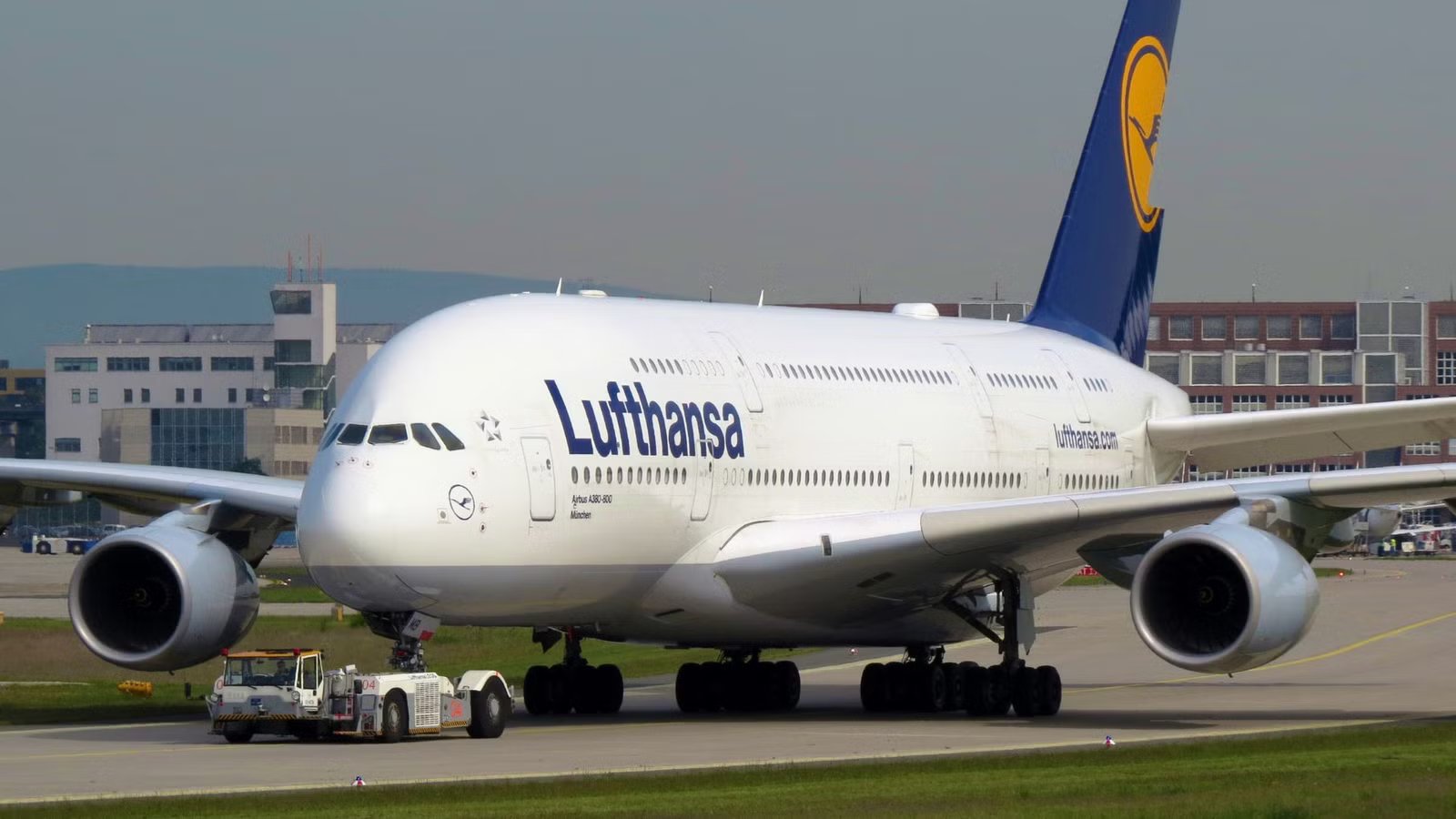
A passenger disturbance aboard a Lufthansa Airbus A380 has likely left the German carrier facing a substantial financial headache after the superjumbo was forced to divert to Boston while operating a transatlantic flight from  San Francisco International Airport (SFO) to
  Munich Airport (MUC).
The aircraft, carrying 508 passengers, landed at  Boston Logan International Airport (BOS) after a passenger allegedly assaulted another traveler, prompting crew members to restrain the individual and request an unscheduled stop, as reported by People Magazine. While diversions are rare, they can be among the most expensive operational disruptions airlines can face.
Why An A380 Diversion Is So Expensive

Unlike smaller aircraft, an A380 requires more specialized airport infrastructure, ground handling equipment, and gate facilities. Not every airport is equipped to efficiently accommodate giant aircraft, making unscheduled landings particularly complex and costly. Even at a major airport such as Boston, handling an unexpected A380 arrival requires significant coordination.
The immediate costs begin the moment the diversion decision is made. Additional fuel burn, landing fees, ground services, refueling operations, security coordination, and passenger handling all contribute to the growing bill. Airlines must also pay for the resources needed to process the disruptive passenger and ensure the flight can safely continue its journey.
Simple Flying has reached out for a comment on the diversion and impact.
Lufthansa Unlikely To Owe Passenger Compensation

Although passengers onboard experienced a significant delay due to the diversion,  Lufthansa is unlikely to face compensation claims under European Union passenger rights regulations. Under EU261 rules, airlines are exempt from paying standard compensation when delays are caused by extraordinary circumstances beyond their control. The regulation includes events related to safety and security, which are generally treated differently from delays caused by factors within an airline’s control.
Unruly passenger incidents are generally considered extraordinary circumstances because they involve safety and security concerns that airlines cannot reasonably prevent. As a result, travelers affected by the diversion would typically not qualify for compensation payments of up to $700 (€600) per passenger. Whether compensation is payable in any specific case ultimately depends on the individual circumstances, but disruptive passenger incidents have generally been treated as extraordinary circumstances under EU passenger rights rules.
That does not mean airlines have no obligations at all. Carriers are still required to provide appropriate care and assistance when necessary, including meals, refreshments, and accommodations in certain situations. However, when a delay is caused by an extraordinary circumstance, airlines are generally exempt from paying the standard compensation amounts set out under EU261, even if the disruption is significant.
Why The Airbus A380’s 4-Engine Layout Costs Airlines Millions More Per Year Than Twin-Engine Rivals
Once a symbol of the peak of aviation, today the A380 is seen more as a liability than an icon. The main reason for this is its four engine layout
A Costly Diversion For Lufthansa

The financial impact can extend beyond the diversion itself. Airlines must often adjust aircraft schedules, coordinate with operational control centers, and manage potential crew duty-time limitations. Even if the flight is able to continue after a relatively short delay, the disruption can create additional costs throughout the airline’s network as resources are reassigned and schedules are adjusted. Ground handling fees, refueling costs, passenger services, and airport charges can also contribute to the final bill, particularly when an aircraft makes an unscheduled stop at a major international airport.
Gulf News reported that  Emirates has previously estimated that an A380 diversion can cost anywhere from approximately $50,000 (€43,000) to more than $600,000 (€520,000), depending on the circumstances. The final figure can vary significantly based on factors such as the length of the delay, airport fees, fuel requirements, and whether additional crew or operational resources are needed to complete the flight.
Given the size of the aircraft, the 508 passengers onboard, and the complexity of handling an unexpected stop in Boston, Lufthansa’s bill is likely to land toward the higher end of that range. While the airline has not disclosed the cost of the diversion, the incident serves as a reminder of how quickly expenses can escalate when a long-haul flight is forced to alter its route unexpectedly.