dailynewsnblog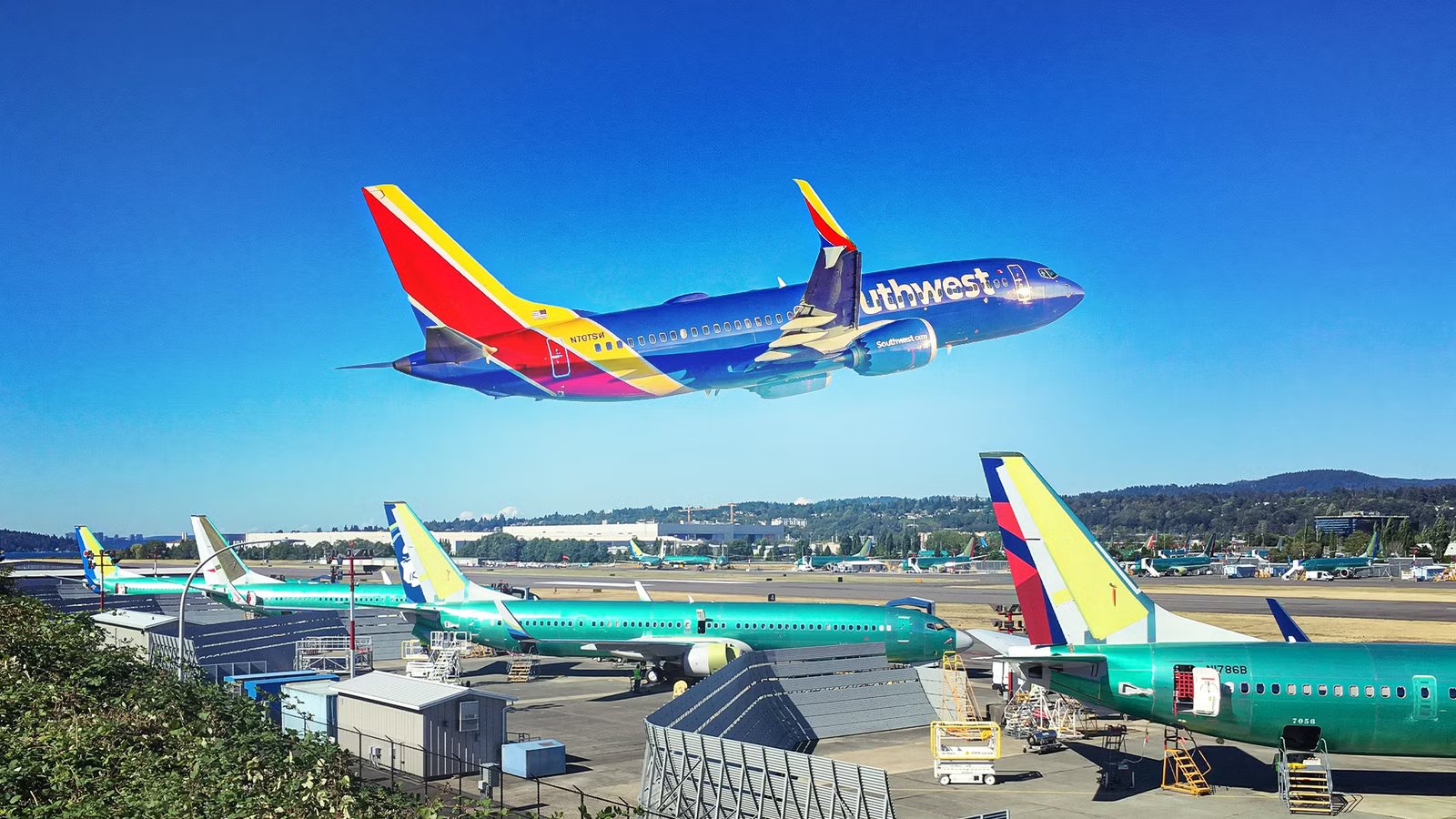
For more than a year, the public debate around Boeing’s 737 MAX certification delays has focused heavily on the company’s attempt to secure an exemption from the US Federal Aviation Administration (FAA) for the 737 MAX 7 and 737 MAX 10. Headlines centered on political pressure in Washington, renewed scrutiny after the  Alaska Airlines door plug blowout, and the optics of
  Boeing requesting regulatory flexibility while confidence in the manufacturer was already strained. Yet behind the controversy lies a far stranger operational reality involving aircraft that already fly passengers every day.
The deeper issue is not simply that Boeing sought an exemption, but that pilots flying existing Boeing 737 MAX 8 and Boeing 737 MAX 9 aircraft are already operating under a procedure requiring them to manually deactivate the engine anti-ice system after five minutes under certain conditions because prolonged use can overheat parts of the engine inlet structure. Reports that some crews have relied on post-it notes in the cockpit as reminders have transformed what initially sounded like a technical certification issue into a broader symbol of Boeing’s continuing struggles. Let’s take a closer look…
The Engineering Problem Behind The Boeing 737 MAX Delays

The issue centers on the CFM LEAP-1B engines used across the Boeing 737 MAX family, specifically the anti-ice system fitted to the engine nacelle inlet. Anti-ice systems are designed to prevent dangerous ice accumulation during flight, particularly in cold, wet conditions where frozen buildup can interfere with airflow and engine performance.
On the Boeing 737 MAX, however, engineers discovered that continuous use of the system under certain dry atmospheric conditions could pose an overheating risk to the carbon-composite inlet structure. According to reporting on the issue, the danger appears mainly between 20,000 and 30,000 feet in warm, dry air around 50 degrees Fahrenheit. The concern is significant because excessive heat could damage the inlet structure itself and potentially lead to debris separating from the engine and striking the fuselage. Boeing initially attempted to address the issue by submitting a time-limited exemption request to the FAA while engineers developed a permanent redesign.
Under that proposal, the Boeing 737 MAX 7 could still be certified provided crews followed operational procedures limiting anti-ice use, and the US manufacturer argued that the dangerous conditions were relatively uncommon and that pilots could safely manage the system operationally. That argument became much harder to defend publicly after the January 2024 Alaska Airlines 737 MAX 9 door plug blowout intensified scrutiny of Boeing’s safety culture and certification practices, and political pressure increased quickly; lawmakers criticized the exemption request, and Boeing ultimately withdrew it.
The Latest: How Boeing Is Tackling Its Quality Control Issues
Learn more about the Alaska Airlines incident and the resulting quality control developments at Boeing.
Existing Boeing 737 MAX Aircraft Already Use A Manual Workaround

The irony is that the workaround Boeing proposed for the 737 MAX 7 already exists on currently flying 737 MAX 8 and 737 MAX 9 aircraft. In August 2023, the FAA issued an Airworthiness Directive outlining operational limitations tied to the anti-ice system after investigators identified the overheating concern.
The directive effectively requires flight crews to manually switch off the engine anti-ice system after five minutes when operating in dry air conditions where icing is not actually present. The challenge is that there is reportedly no dedicated cockpit alert or timer reminding crews when the five-minute limit has been reached. Instead, pilots must remember the limitations themselves while managing every other task associated with operating a commercial flight. Reports that some crews have used handwritten reminders or Post-it notes in the cockpit became one of the most striking details in the entire controversy.
In modern commercial aviation, where automated systems monitor nearly every phase of flight, the image of pilots relying on sticky notes to remember a critical procedure has resonated throughout the industry. Aviation safety philosophy increasingly emphasizes reducing dependence on human memory, especially during high-workload situations. While Boeing and regulators have stressed that the procedure remains safe when followed correctly, critics argue that relying on manual reminders without automated backup introduces unnecessary operational risk.
Southwest Airlines Has Been Hit Hardest

No airline has been more affected by the Boeing 737 MAX 7 delays than  Southwest Airlines. The carrier built much of its future fleet strategy around the smallest 737 MAX variant because it fit perfectly within Southwest’s long-standing single-aircraft operating model centered entirely on the Boeing 737.
The latest data from ch-aviation shows that the carrier currently has 455 outstanding orders for 737 MAX 7 and 737 MAX 8 aircraft and originally expected the MAX 7 to arrive years ago. Instead, repeated certification delays have forced the airline to revise growth plans, reduce capacity expectations, and keep older aircraft in service longer than intended. The 737 MAX 7 matters enormously to Southwest Airlines because it offers improved fuel efficiency while also providing strong operational flexibility for thinner domestic routes. Without it, Southwest Airlines has been forced into an awkward position where it continues accepting larger 737 MAX 8s that do not always match the exact role envisioned for the smaller aircraft. The carrier’s fleet is outlined in the table below:
Aircraft | Number in Fleet | Number on Order |
|---|---|---|
Boeing 737-700 | 294 | – |
Boeing 737-800 | 196 | – |
Boeing 737 MAX 7 | – | 269 |
Boeing 737 MAX 8 | 310 | 186 |
Executives at Southwest Airlines now expect Boeing 737 MAX 7 certification in the first half of 2026, illustrating how dramatically the anti-ice issue has evolved. What initially appeared to be a manageable certification complication has become a multi-year disruption affecting one of the world’s largest Narrowbody operators. The delays also create financial consequences extending far beyond fleet planning, as airlines structure pilot hiring, training schedules, maintenance programs, and network growth assumptions around expected aircraft deliveries, and every additional delay creates ripple effects throughout those systems.
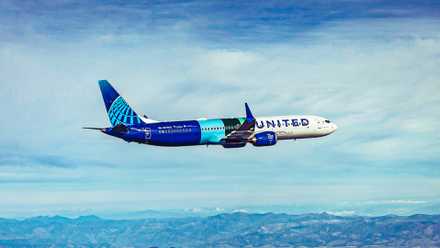
Will The Boeing 737 MAX 10 Be Certified This Year?
Will 2026 be the year the 737 MAX 10 finally takes flight?
Boeing’s Permanent Fix Has Extended The Timeline

After withdrawing the exemption request, Boeing shifted entirely toward developing a permanent engineering solution for both the 737 MAX 7 and 737 MAX 10. That decision may have eased political pressure, but it also significantly extended the certification timeline because any redesign must now undergo full testing and regulatory review. The permanent fix reportedly involves modifications to the engine inlet and anti-ice system architecture to eliminate the overheating risk altogether. Because the same issue affects both the 737 MAX 7 and 737 MAX 10, Boeing effectively tied the certification timelines of both aircraft together.
Engineering changes on modern airliners are rarely simple. Even relatively targeted modifications can trigger additional testing requirements involving aerodynamics, structural performance, software integration, and maintenance procedures. Regulators are also examining Boeing’s submissions with extraordinary scrutiny following years of 737 MAX-related controversy. That heightened oversight partly explains why certification timelines have stretched so dramatically. The FAA has made clear that Boeing no longer receives the degree of delegated authority it once enjoyed prior to the original 737 MAX grounding crisis.
Catch what other flight trackers miss
Emergency squawks, holds, NOTAMs — live signals, no signup.
Open tracker
Catch what other flight trackers miss
Emergency squawks, holds, NOTAMs — live signals, no signup.
Open tracker
The anti-ice redesign also arrives as Boeing continues to manage broader production and quality-control problems across its commercial aircraft business. Resources that might otherwise focus entirely on certification engineering remain spread across manufacturing oversight and supplier coordination efforts.
Other Airlines Are Also Facing Disruption

Although Southwest Airlines has become the public face of the Boeing 737 MAX 7 delays, the certification problems surrounding the 737 MAX 10 are affecting a much broader group of airlines, and  United Airlines, in particular, has invested heavily in plans centered around the larger 737 MAX variant.
The Boeing 737 MAX 10 was designed to compete more directly with the Airbus A321neo, which has become increasingly dominant in the high-capacity narrowbody market. Boeing hoped the aircraft would provide a stronger competitive response, especially among existing 737 operators reluctant to introduce a second aircraft family. Instead, repeated certification delays have allowed Airbus to strengthen its position further while airlines wait for Boeing’s largest 737 MAX model to enter service. United Airlines has already adjusted parts of its fleet planning due to uncertainty surrounding 737 MAX 10 deliveries, while Canadian carrier WestJet is also monitoring the timeline closely.
The delays create strategic complications that extend far beyond capacity planning, as airlines order aircraft years in advance because fleet transitions involve pilot qualifications, simulator availability, maintenance infrastructure, financing arrangements, and route-planning decisions that span decades. Meanwhile, Boeing’s certification challenges continue extending beyond the anti-ice issue itself, and in January 2025, the company reportedly requested another exemption tied to stall-management yaw damper software on the 737 MAX 7 and 737 MAX 10, a move opposed by the Airline Pilots Association.
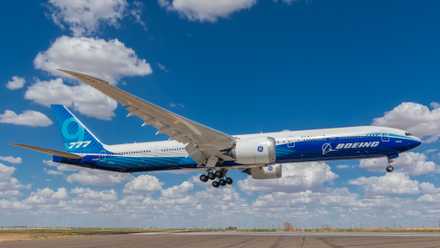
FAA Plans Overhaul To Speed Up Certification Of New Airplanes: What Does This Mean For Your Flight?
FAA plans to streamline aircraft certification. Here’s how delays with Boeing’s 777X and 737 MAX may shape the planes you’ll fly soon.
A Five-Minute Rule Became A Symbol Of Boeing’s Problems

What makes the anti-ice story so remarkable is how a relatively narrow engineering issue became symbolic of Boeing’s broader certification struggles. The image of pilots manually timing anti-ice usage using cockpit reminders appears fundamentally out of step with expectations surrounding highly automated modern airliners. Commercial aviation depends heavily on layered safety systems designed to minimize the possibility of human error. When operational safety relies heavily on memory-based procedures without automated backup protection, critics inevitably question how the system reached that point.
For Boeing, the anti-ice controversy became impossible to separate from wider credibility problems following the original 737 MAX crashes and subsequent manufacturing scrutiny. Even if engineers believed the workaround was operationally manageable, public trust in Boeing’s assurances had already weakened significantly. That shift in perception also altered the regulatory environment. The FAA now faces intense pressure to demonstrate rigorous oversight of every Boeing certification decision, particularly after the Alaska Airlines incident reignited concerns over production quality and safety culture.
As a result, one unresolved anti-ice problem has effectively stranded hundreds of aircraft orders, delayed two major Boeing 737 MAX variants for years, disrupted airline fleet strategies across North America, and transformed a five-minute cockpit procedure into one of the aviation industry’s most revealing symbols of Boeing’s ongoing certification crisis.