dailynewsnblog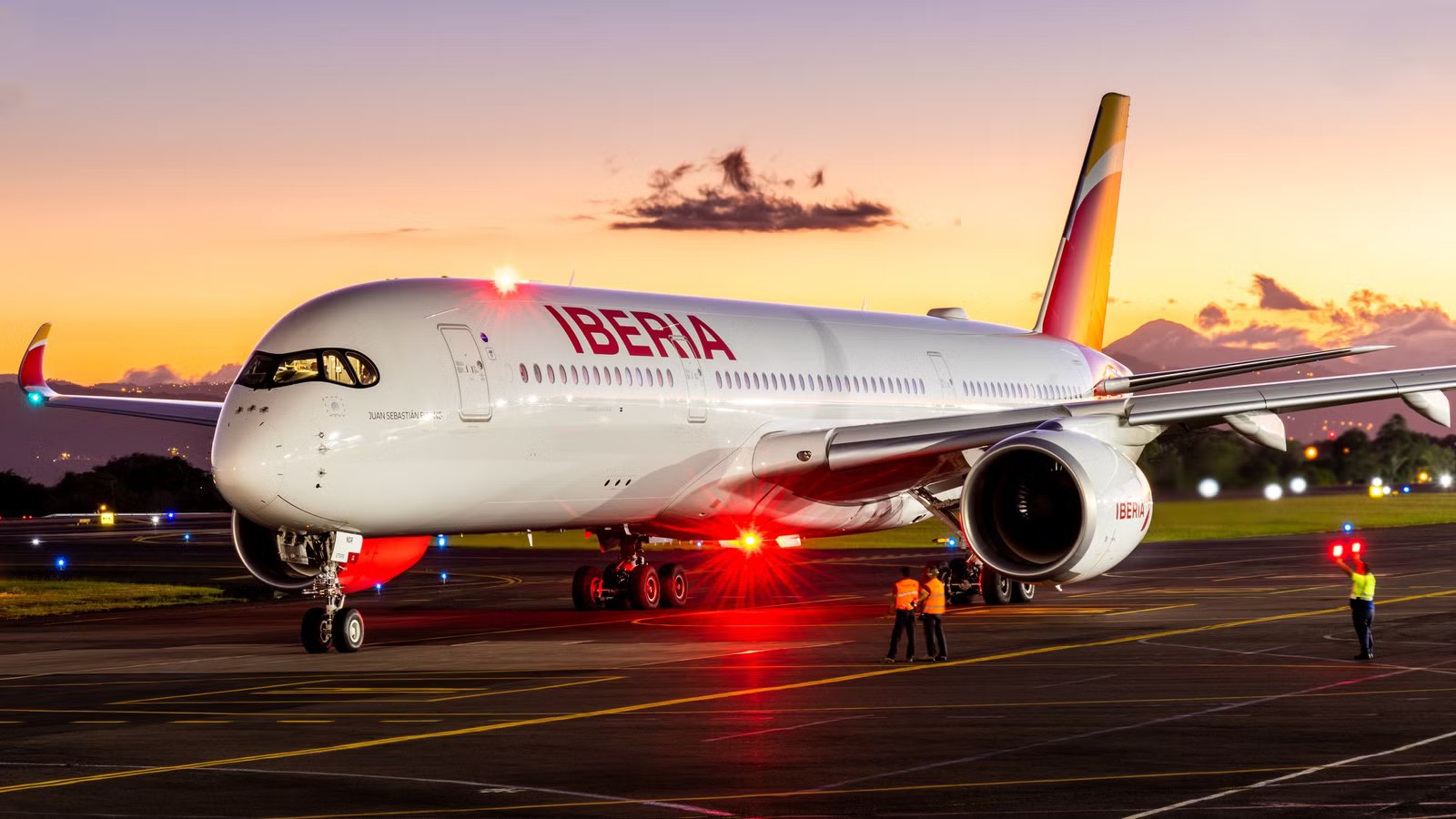
What was meant to be a celebratory moment for Iberia ended with aircraft damage and a canceled flight on June 4, 2026. An  IberiaAirbus A350-900 that arrived in Guayaquil, Ecuador, suffered damage to its left winglet during a traditional water cannon salute conducted by airport fire vehicles to celebrate the inaugural flight. The incident occurred at José Joaquín de Olmedo International Airport (GYE) and ultimately forced the cancellation of the aircraft’s scheduled return flight to
  Madrid Barajas Airport (MAD).
The aircraft had just completed its first flight from Madrid using the Airbus A350 on the route. As reported by the local El Primicias News website, Guayaquil Airport authorities organized the ceremonial water arch to mark the arrival and temporary deployment of Iberia’s flagship long-haul aircraft on the Guayaquil service. Instead of becoming a memorable celebration, the event quickly turned into an operational headache for both the airline and its passengers, who became stranded while repairs were underway.
Winglet Strike Forces Flight Cancellation

The aircraft involved was an Airbus A350-941 registered EC-NXD. As the jet taxied through the water arch created by two airport fire trucks, the left winglet made contact with part of a firefighting vehicle’s elevated water cannon assembly. The collision caused visible damage to the wingtip device, immediately raising concerns about the aircraft’s airworthiness, as shown in the video below.
Following the impact, the crew halted normal departure procedures and returned the aircraft for inspection. Emergency protocols were activated, and maintenance personnel began assessing the extent of the damage. While no injuries were reported among passengers, crew, or ground personnel, the aircraft could not continue its scheduled journey to Spain.
Why A Damaged Winglet Is A Serious Problem

Although a winglet may appear to be a relatively small component, it plays a critical role in aerodynamic efficiency and aircraft performance. Winglets reduce drag created by wingtip vortices, helping airlines lower fuel consumption on long-haul flights. Any structural damage to these components requires detailed inspection before an aircraft can safely return to service.
In this case, the damage was significant enough to ground the aircraft in Guayaquil. The scheduled Iberia flight IB132 to Madrid was canceled while engineers evaluated the wingtip structure and determined what repairs would be necessary. Passengers on the June 4 GYE-MAD flight were rebooked onto alternative itineraries arranged by the airline. According to Cirium, the next flight to MAD is scheduled on June 7, and the replacement Airbus A330-200 will be used that day.
Catch what other flight trackers miss
Emergency squawks, holds, NOTAMs — live signals, no signup.
Open tracker
Catch what other flight trackers miss
Emergency squawks, holds, NOTAMs — live signals, no signup.
Open tracker
Repairing modern composite structures on aircraft such as the Airbus A350 can be expensive and time-consuming. Beyond the direct costs of replacement parts, their shipment and maintenance, airlines also incur disruption costs from canceled flights, passenger accommodations, and aircraft downtime. The incident, therefore, created consequences far beyond the visible damage seen in photographs and videos circulating online.
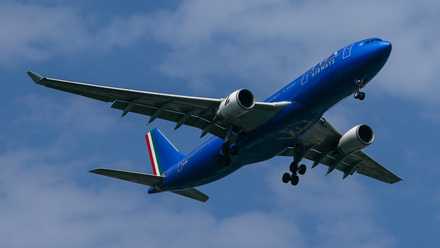
An ITA Airways A330 Is Flying Around Without A Wing Tip
The aircraft was also spotted missing a wingtip back in April.
The Long Tradition Of Water Cannon Salutes

Water cannon salutes have long been part of aviation culture. Airports around the world use the ceremonial arches to mark inaugural flights, the launch of new routes, aircraft deliveries, airline anniversaries, and pilot retirements. As part of the tradition, airport firefighting vehicles spray water over a taxiing aircraft as a symbolic welcome or farewell.
While the practice is generally considered safe, it depends on precise coordination between flight crews, airport authorities, and firefighters. Large widebody aircraft such as the Airbus A350 have wingspans approaching 65 meters (213 feet), leaving little room for error when vehicles and equipment are positioned close to taxiways. The Guayaquil incident demonstrates how even a ceremonial event can create risks if clearances are misjudged.
Authorities have launched an investigation into the circumstances surrounding the incident. The review is expected to examine vehicle positioning, operational procedures, and coordination between the airport’s firefighting teams and aircraft operators. Until those findings are released, the June 4 accident will serve as a reminder that even aviation’s most cherished traditions require meticulous planning and execution, just like everything in this industry.