dailynewsnblog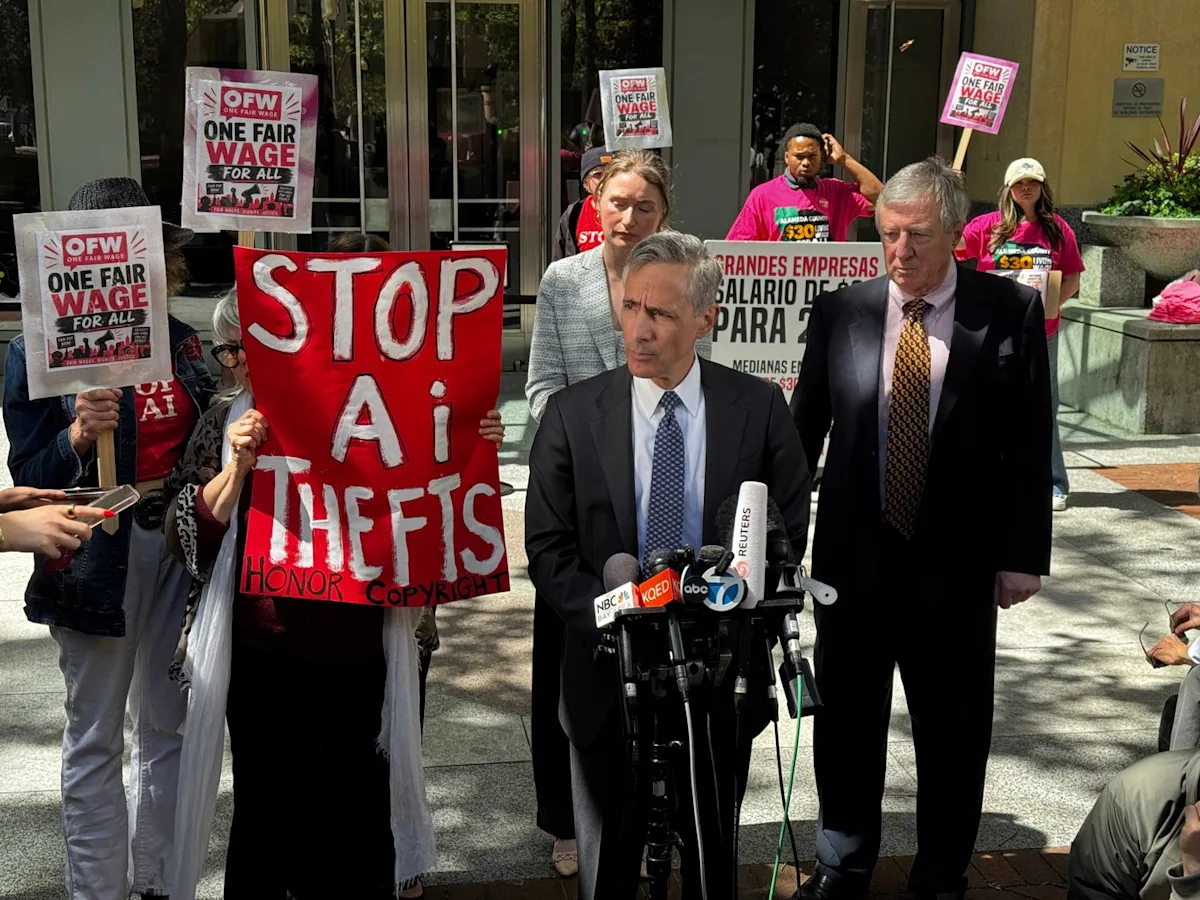
OAKLAND, Calif. (AP) — After prevailing in its court fight with Elon Musk, OpenAI — the ChatGPT maker valued at $852 billion — remains on track for what could be one of the largest initial public offerings in history.
Musk had been seeking the ouster of his fellow OpenAI co-founder, CEO Sam Altman, among other changes to the company. But with testimony from witnesses who called Altman dishonest, he’s hardly emerged unscathed.
At a time of growing concern about artificial intelligence’s impacts, the landmark trial also shed new light on the flaws and outsize ambitions of the small number of billionaires steering the development of the breakthrough technology.
The trial was a reminder, said Sarah Kreps, director of Cornell University’s Tech Policy Institute, “of how much the future of AI still depends on a remarkably small group of powerful tech figures and their personal rivalries.”
“The trial highlighted not just a dispute between Musk and Altman, but a broader disconnect between the people building these systems and many of the people increasingly expected to live and work alongside them,” Kreps said.
Musk had accused OpenAI, Altman and his top lieutenant Greg Brockman of betraying a shared vision for it to remain a nonprofit dedicated to guiding AI’s development for the good of humanity. Altman, in turn, accused Musk of trying to hobble the ChatGPT maker for the benefit of his own AI company.
On Monday, the nine-person federal jury in Oakland, California, found that Musk waited too long to file his lawsuit and missed a statutory deadline. After a three-week trial that included hundreds of pieces of evidence and some of tech’s biggest names on the stand, the jury deliberated less than two hours before returning a verdict essentially on a technicality.
Musk said he will appeal and called Judge Yvonne Gonzalez Rogers, who oversaw the trial, a “terrible activist Oakland judge, who simply used the jury as a fig leaf” to create a bad precedent. “She just handed out a free license to loot charities if you can keep the looting quiet for a few years!” Musk wrote on his social media platform X.
It was the second major courtroom loss for Musk in less than two months.
Gonzalez Rogers made it clear early on in the trial that she did not want it to become a debate over AI’s dangers. But the unresolved questions about the risks AI poses for job losses, mental health issues and even humanity’s extinction served as a backdrop for the proceedings, with protesters decrying both Musk and Altman becoming a regular presence outside the federal courthouse.