dailynewsnblog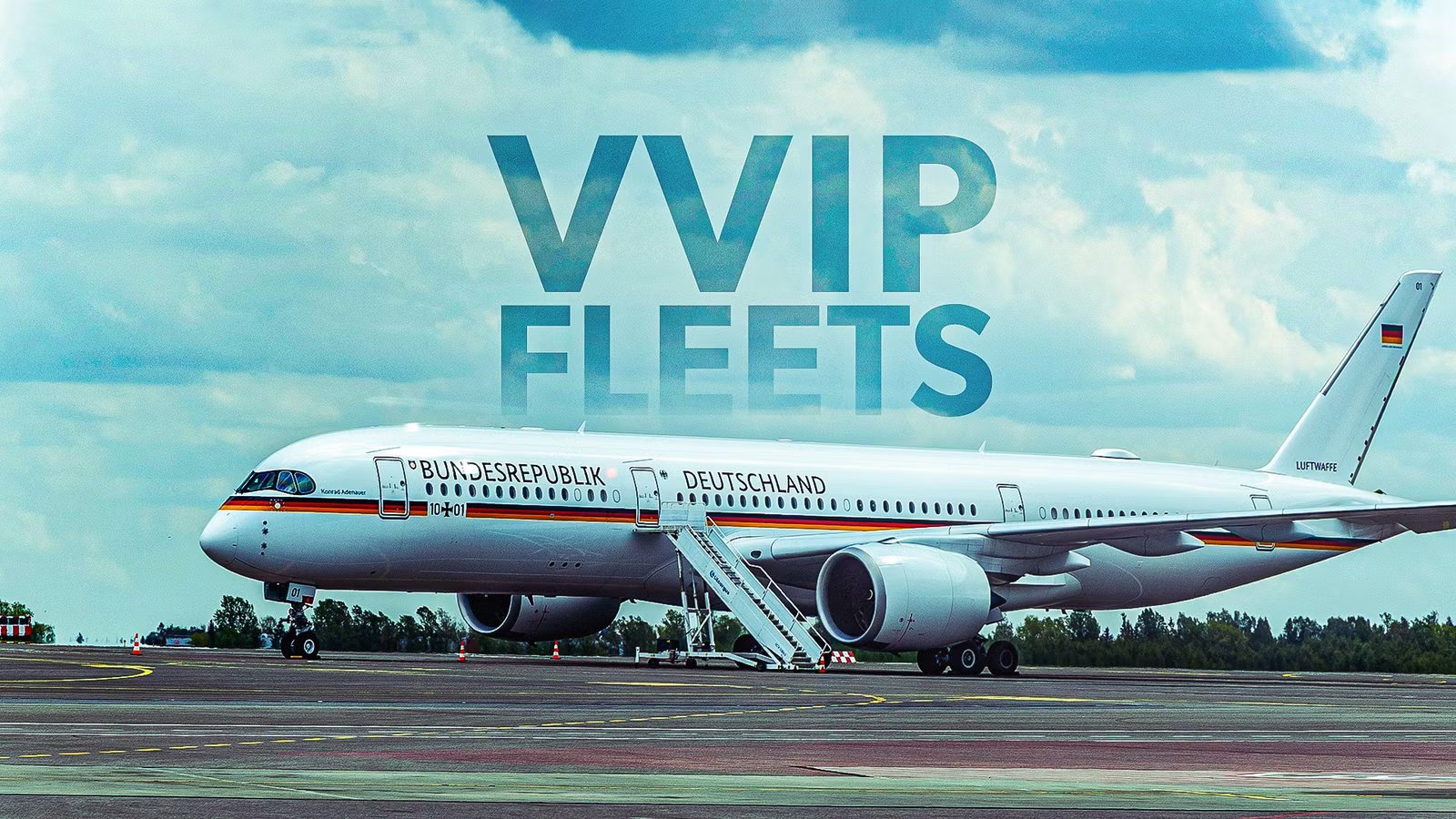
Air Force One continues to define the global standard for presidential aviation in 2026, not only because of its unmistakable Boeing 747 profile, but because of the strategic role it plays in US diplomacy, security, and long-range mobility. The current Boeing VC-25A aircraft, based on the Boeing 747-200B and operating since the early 1990s, remain among the most advanced government aircraft ever built, while the incoming Boeing 747-8-based VC-25B program signals a new phase for presidential travel.
As more countries invest in modern VIP fleets, from China’s specially configured Boeing 747-400s to Turkey’s Boeing 747-8 TC-TRK, presidential aviation has become an increasingly visible symbol of geopolitical ambition and national capability. According to the official White House overview, Air Force One is designed to ensure the President can continue governing from virtually anywhere in the world.
This analysis compares several key aircraft types currently used for diplomatic missions, including Boeing 747s, Boeing 777s, Airbus A330s, and Russia’s Ilyushin Il-96, while also examining the growing divide between dedicated state aircraft and commercially operated solutions. Throughout the article, readers will see how range, security systems, operational flexibility, and political messaging all shape the aircraft world leaders choose to fly.
Air Force One: The Gold Standard Of Presidential Aviation

Air Force One is a very special aircraft that has come to define presidential travel itself. Technically, the call sign applies to any US Air Force aircraft carrying the US president, but in practice it refers to the two Boeing 747-200B aircraft that have served in this role since the early 1990s. Inside, Air Force One is a fully functional flying command center. It features secure communications systems that allow the President to remain connected with military and political leaders anywhere in the world. According to Business Insider, the aircraft also includes conference rooms, private offices, and even a medical suite capable of handling emergencies mid-flight.
The aircraft’s capabilities extend far beyond comfort and convenience. It is equipped with advanced defensive systems designed to counter a wide range of threats, from missile attacks to electronic warfare. Perhaps most notably, the current Air Force One can be refueled in midair, allowing it to remain airborne indefinitely if required. Historically, the evolution of Air Force One reflects broader changes in aviation and geopolitics. Earlier presidents flew on propeller-driven aircraft before the jet age ushered in platforms like the Boeing 707-based VC-137.
The transition to the 747 in 1990 marked a significant leap in both size and capability, aligning with the United States’ global reach at the end of the Cold War. Now, another major transformation is underway. The current VC-25A aircraft are being replaced by two Boeing 747-8-based VC-25B jets, which will incorporate modern avionics, improved efficiency, and updated mission systems. While the program has faced delays and cost scrutiny, it represents the next chapter in maintaining the US President’s airborne edge.
China’s Presidential Boeing 747: Subtle Power In The Skies

China has taken a markedly different approach to VIP aviation, reflecting its broader philosophy of operational versatility and discretion. Rather than maintaining a permanently dedicated presidential aircraft, President Xi Jinping typically travels on a specially prepared Boeing 747-400 aircraft operated by Air China.
This arrangement allows China to avoid the symbolism and potential vulnerability of a single, permanently identifiable aircraft. Instead, selected airframes (usually the B-2447 and B-2472) are temporarily converted for presidential use, with commercial seating removed and replaced by conference rooms, private suites, and secure communication systems. According to Air Charter Service, these aircraft are carefully modified before each trip to meet the specific requirements of the mission.
The result is an aircraft that can perform many of the same functions as Air Force One, albeit with less public visibility. This flexibility also allows the planes to return to commercial service when not needed for government operations, maximizing efficiency and minimizing idle time. From an aviation perspective, the Boeing 747-400 remains a highly capable platform for long-haul travel. Its range and payload capacity make it ideal for intercontinental diplomatic missions, while its four-engine configuration provides an added layer of redundancy. These characteristics, combined with China’s tailored modifications, create a reliable and versatile solution for presidential travel.
There is also a strategic dimension to this approach. By relying on a national carrier, China blurs the line between civilian and government aviation. This not only enhances flexibility but also reflects a different philosophy of projecting power, the one that emphasizes adaptability. Interestingly, South Korea, Vietnam, Singapore, Turkmenistan, and some other Asian countries adopt a similar policy of “renting and converting” aircraft from flag carriers for official state visits.

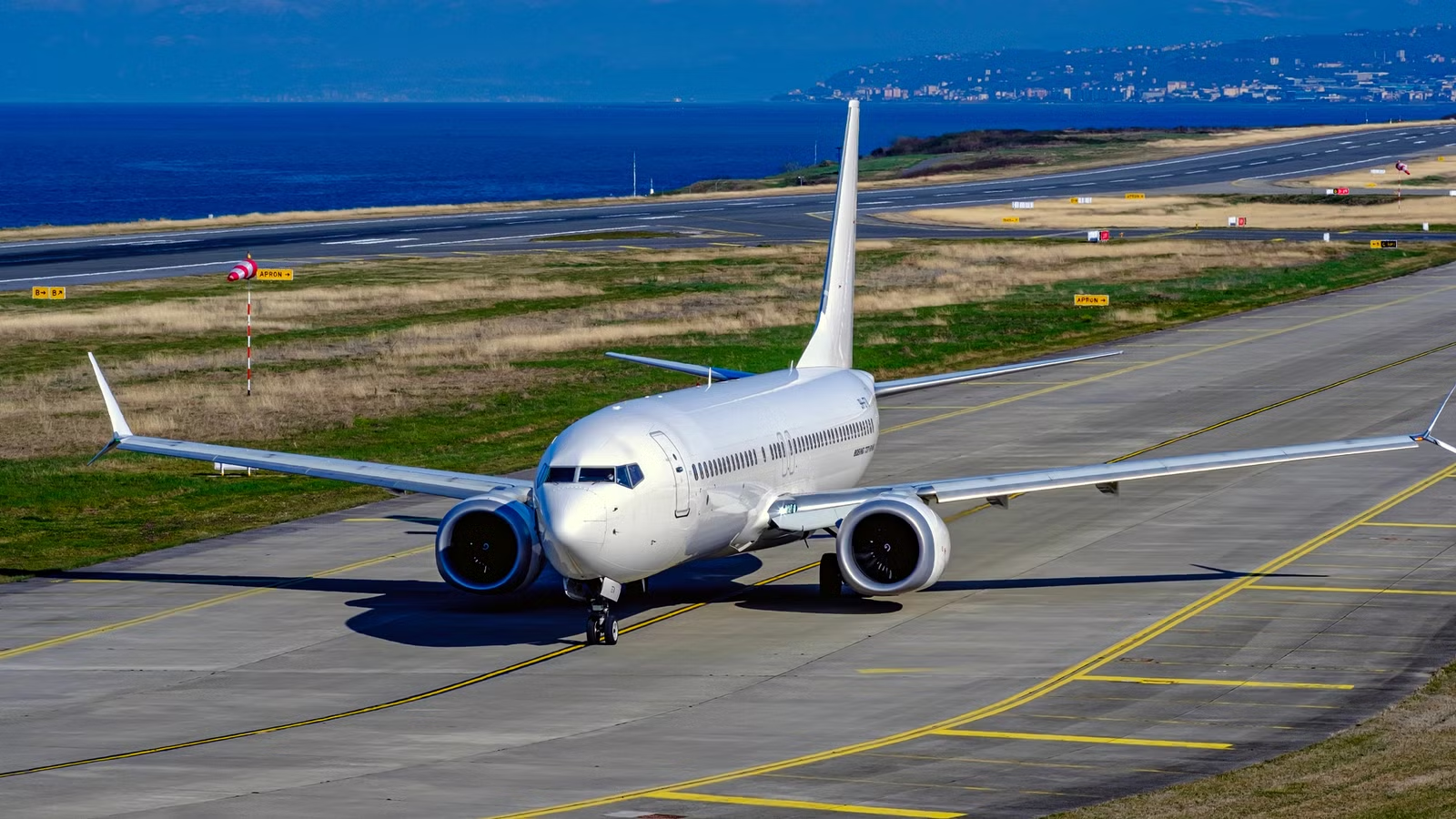
The Aircraft Set To Replace The Iconic Boeing 747
The jumbo jet will certainly leave big shoes to fill!
Russia’s Ilyushin Il-96: A Flying Kremlin

Russia’s presidential aircraft stands apart for one key reason: it is entirely domestically produced. President Vladimir Putin primarily flies aboard one of several Ilyushin Il-96-300PU, modified for VIP use, with tail numbers RA-96020, RA-96021, and RA-96024, according to TechnoSphere. This is a widebody quad-jet aircraft designed and built in Russia in the early 1990s, underscoring the country’s emphasis on self-reliance and technological independence.
The Il-96 may not be as globally recognized as the Boeing 747, but it is no less impressive in its own right. The aircraft has been extensively modified to serve as a flying command center, with secure communications, advanced avionics, and defensive systems comparable to those found on Western VIP aircraft. It forms the backbone of a broader fleet operated by the Rossiya Special Flight Squadron.
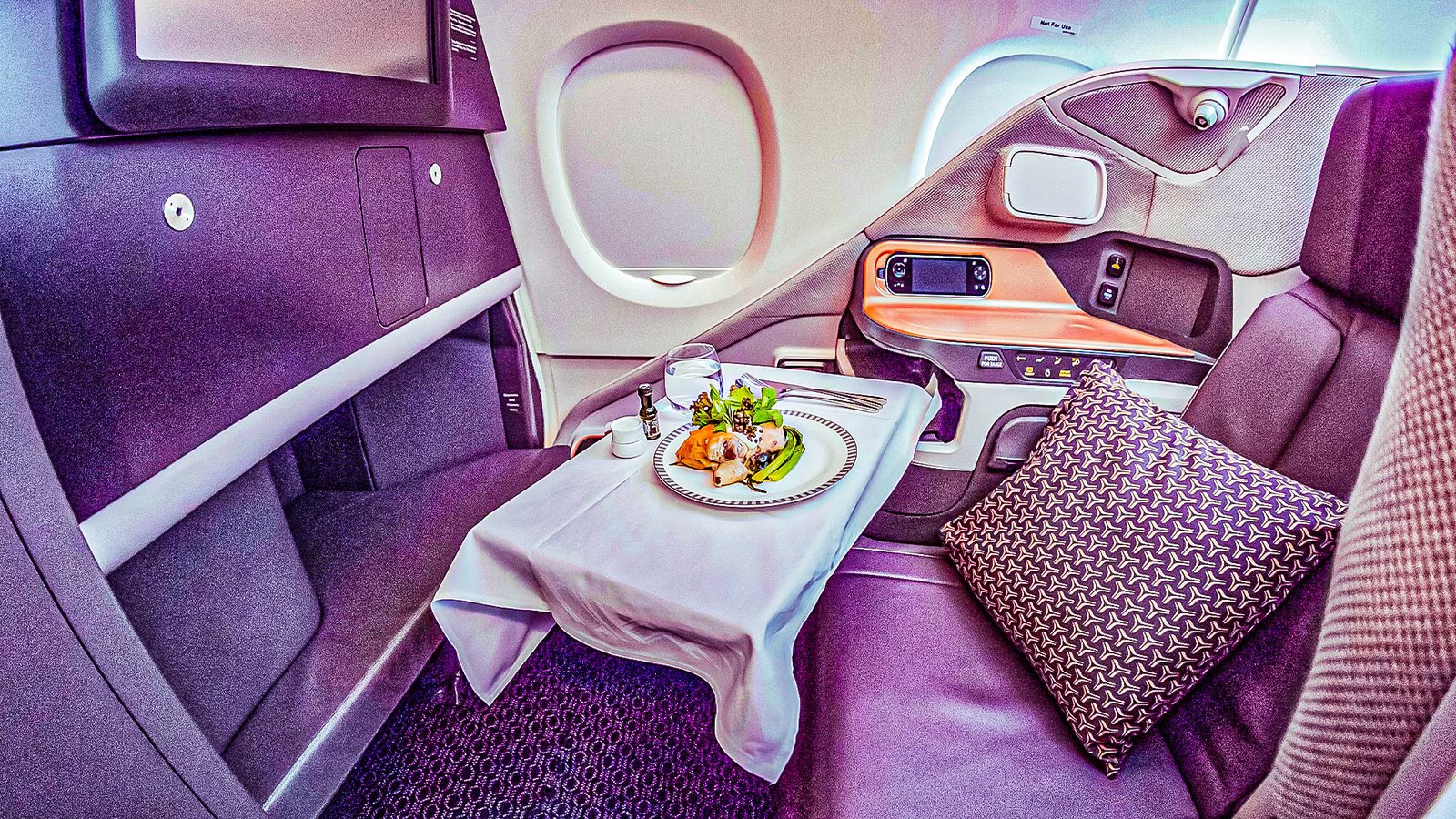
Inside, the aircraft is often described as exceptionally luxurious. Reports have highlighted features such as ornate interiors, private offices, and meeting spaces designed to facilitate high-level discussions in flight. While some details remain classified, it is clear that the aircraft is tailored to meet both functional and symbolic needs.
Russia’s choice of the Il-96 also reflects a broader geopolitical stance. By relying on domestic manufacturing, the country avoids dependence on foreign suppliers, a consideration that has become increasingly important in recent years due to sanctions. This approach extends beyond the presidential fleet, encompassing a wide range of aviation and defense programs.
Operationally, the Il-96 provides the range and capability required for long-haul travel, though it is less fuel-efficient than more modern twin-engine aircraft. Nevertheless, its role as a symbol of national capability arguably outweighs these considerations, particularly in the context of state visits and international diplomacy.
Turkey’s Growing VIP Fleet: A Symbol Of Ambition

Turkey has rapidly developed one of the most diverse and modern VIP fleets in the world, reflecting its growing role on the global stage. Under President Recep Tayyip Erdoğan, the country has invested heavily in aircraft that combine range, flexibility, and high-end interiors.
At the center of this fleet is a Boeing 747-8, tail number TC-TRK, one of the newest and most advanced variants of the iconic jumbo jet. Originally acquired by the Qatari Government, the aircraft was later “gifted” to the Turkish government in 2018 and converted into presidential transport.
Beyond the flagship 747-8, Turkey operates a range of additional aircraft, including Airbus A340s, Airbus A330s, and several business jets. This diversity allows the government to select the most appropriate aircraft for each mission, whether it involves a short regional trip or a long-haul diplomatic tour. Business Insider notes that these aircraft are equipped with advanced communications systems and luxurious interiors, ensuring both functionality and comfort.
This multi-aircraft approach offers significant operational advantages. It reduces reliance on a single platform, increases scheduling flexibility, and allows redundancy in the event of technical issues. It also reflects a broader trend in VIP aviation, where countries are increasingly investing in fleets rather than individual aircraft.
From a symbolic perspective, Turkey’s fleet represents its aspirations as a regional and global power. The presence of a modern 747-8, in particular, signals a desire to compete with the world’s most advanced VIP fleets, reinforcing the country’s diplomatic and political ambitions.
The G7 Nations’ Presidential Aircraft Ranked
Airbus is extremely prominent in this list.
Widebodies For Diplomacy: Boeing 777s And Airbus A330s

While some countries opt for highly customized or symbolic aircraft, many others take a more pragmatic approach. By adapting modern commercial widebodies such as the Boeing 777 and Airbus A330, they achieve a balance between capability, efficiency, and cost.
India and Japan are among the most prominent examples of this strategy. Both countries operate Boeing 777-300ER aircraft configured for VIP transport, replacing older 747-based fleets.
According to Safe Fly Aero, this transition reflects a broader global trend toward twin-engine widebodies. European nations have similarly embraced the Airbus A330 platform. The United Kingdom’s Royal Air Force operates an A330 Voyager configured for both military and VIP roles, while France uses an A330 for presidential travel. Some other heads of state also rent the A330 in VIP configuration, demonstrating its versatility as a multirole platform capable of balancing government and defense needs.
Aircraft Type | Countries Using It for VIP Transport |
Boeing 777-300ER | India, Japan |
Airbus A330 | United Kingdom, France, Canada, Australia, Brazil |
Boeing 747 variants | United States, China, South Korea, Turkey |
Ilyushin Il-96 | Russia, Cuba (previously) |
What makes these aircraft particularly appealing is their adaptability. They can be configured with a mix of VIP seating, meeting areas, and secure communications while retaining the underlying efficiency of commercial designs. This allows governments to maintain high standards of capability without the expense of fully customized aircraft.
When Leaders Fly Commercial: A Different Philosophy

While many governments invest heavily in dedicated VIP aircraft, some leaders have chosen a dramatically different path. By flying on commercial airlines, they aim to project an image of humility, fiscal responsibility, or political alignment with ordinary citizens. Mexico offers one of the most striking examples of this approach. The country previously operated a Boeing 787 Dreamliner as its presidential aircraft, but the jet was sold to the government of Tajikistan in 2023 as part of a broader austerity campaign.
Since then, leaders have opted to travel on commercial flights, a move that has drawn both praise and criticism for its symbolic significance. This approach is not entirely without precedent. In 1973, US President Richard Nixon made headlines by flying on a commercial United Airlines flight during an energy crisis. Designated “Executive One,” the flight was intended to demonstrate solidarity with fuel conservation efforts and remains a rare example of a sitting US president using a commercial airline, as reported by Simple Flying.
Flying commercially does come with trade-offs. Security, scheduling flexibility, and operational control are all significantly reduced compared to dedicated VIP aircraft. However, for some leaders, these drawbacks are outweighed by the political message conveyed by such choices. In the near future, commercial travel is unlikely to entirely replace dedicated VIP fleets. The demands of modern leadership, particularly for security and communications, make specialized aircraft indispensable for many countries.