dailynewsnblog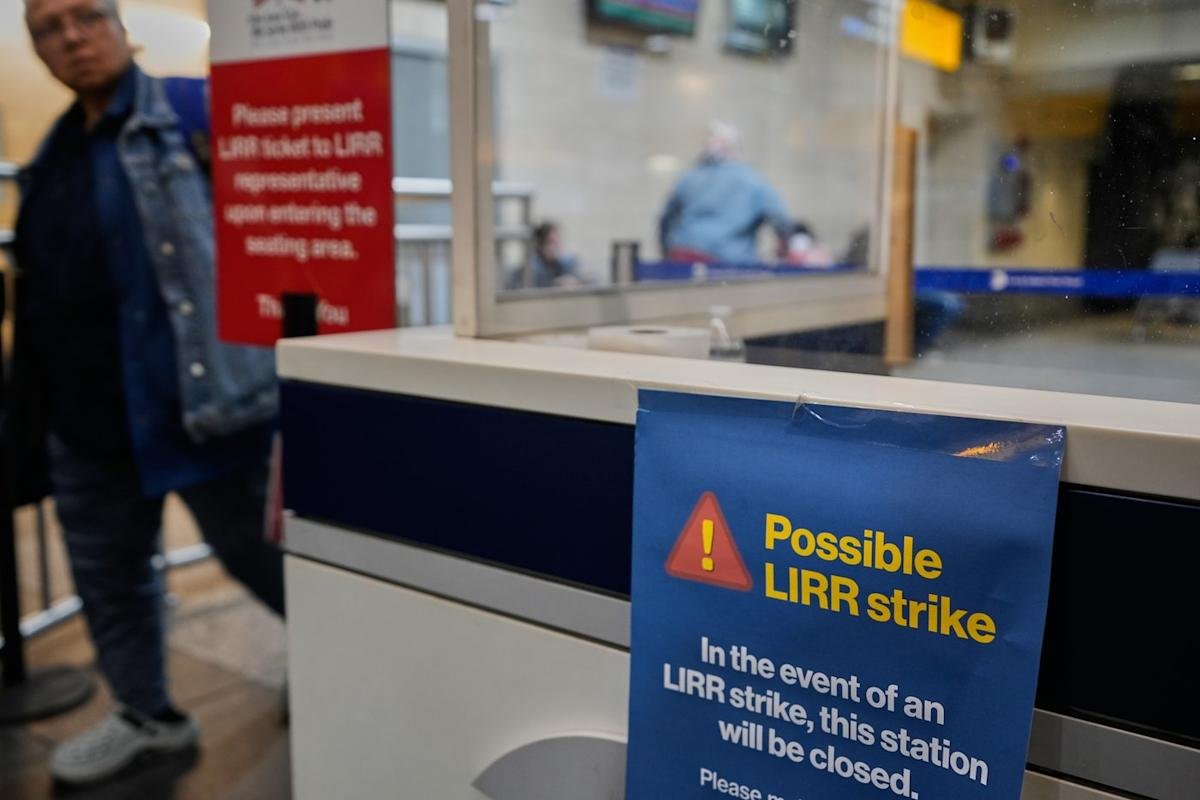
NEW YORK (AP) — North America’s largest commuter rail system is facing a potential shutdown as a deadline nears to reach a deal with unionized workers to avert a strike.
The Long Island Rail Road that serves New York City’s eastern suburbs has been negotiating for months on a new contract with labor officials representing locomotive engineers, machinists, signalmen and other train workers.
A strike was temporarily averted in September when President Donald Trump’s administration agreed to help. Those efforts ended without a deal, giving both sides 60 days — ending 12:01 a.m. Saturday — to again try to resolve their differences before the union was legally allowed to go on strike or the agency could lock out workers.
Five labor unions representing about half the train system’s 7,000-person workforce warned this week that Saturday’s deadline was approaching.
The LIRR is the busiest commuter railroad in North America, carrying about 250,000 customers each weekday. LIRR workers last went on strike in 1994, for about two days. Workers nearly walked out in 2014 before then-Gov. Andrew Cuomo reached a deal with unions.
The Metropolitan Transportation Authority, which oversees the LIRR and other area transit systems, has said it will provide free but limited shuttle buses during the morning and afternoon rush hours. The agency says the shuttles will depart from designated LIRR train stations to subway stops in the New York City borough of Queens.
Gov. Kathy Hochul has urged LIRR riders to work from home, if possible, as the free shuttles are meant for essential workers and those who cannot telecommute. The Democrat, months earlier, slammed the LIRR unions for “greedy asks” that threaten to “destabilize the local economy.”
Dispute over wages
The contract talks have stalled on the question of worker’s salaries.
The MTA argued that the union’s initial demands would lead to fare increases and impact contract negotiations with other unionized workers. The union has said more substantial raises were warranted to help workers keep up with inflation and rising living costs.
Both sides have so far agreed to contract terms calling for the same 9.5% in pay raises over three years already given to other unionized workers. But the unions have been holding out for another yearly salary increase of 6.5% — for a total raise of 16% over four years.
The MTA said earlier this week that it offered the unions what would effectively amount to a 4.5% raise in year four, in line with what federal officials had recommended. But the unions dismissed the lump sum payments as “a one-time gimmick” rather than the true wage increases they’d sought.