dailynewsnblog
The legal theory behind the lawsuits is not specific to any industry. “Plaintiffs have filed class actions against companies across varying industries and points in the supply chain from food manufacturers to logistics providers. The specific allegations in each case differ, but the primary legal theory is the same: companies cannot pass tariff costs to consumers and retain government refunds for the same tariffs,” Foley & Lardner lawyers Erik Swanholt and Kelsey Boehm wrote.
Holland & Knight lawyers wrote in a legal alert that “any business that both passed tariff costs through to customers and is pursuing government refunds could become a litigation target.”
Nintendo tries to compel arbitration
With lawsuits in the early stages, no court has ruled on the core legal theories, Holland & Knight lawyers wrote. Businesses have several potential defenses, such as arguing that there can be no unjust enrichment when there is a contract between the parties.
“In many jurisdictions, unjust enrichment is unavailable where an express contract governs the parties’ relationship,” Holland & Knight partners Ashley Akers and Austin Rainwater wrote.
Businesses can also argue “that the challenged charges were imposed while the IEEPA tariffs remained legally effective and enforceable,” the Holland & Knight alert said. “According to this view, the Supreme Court’s subsequent decision invalidating the tariffs does not necessarily render charges collected before that decision unlawful or create a retroactive obligation to refund amounts previously paid.”
Although the lawsuit against Nintendo did not allege breach of contract, the Holland & Knight alert said some of the tariff cases make this claim. “This is the principal claim in many shipping and logistics cases. Plaintiffs allege that tariff-related surcharges were not authorized under applicable shipping agreements, terms of service or tariff schedules,” the law firm said.
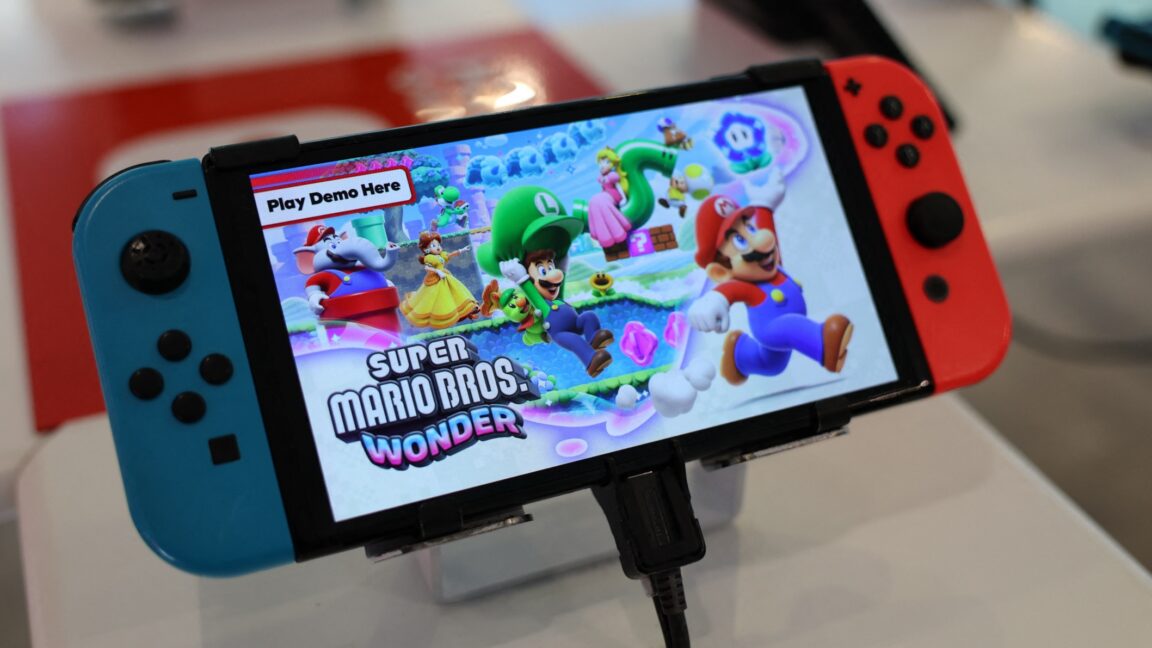
Companies are likely to ask courts to enforce mandatory arbitration provisions contained in their terms and conditions, and Nintendo has already done so. Nintendo filed a motion to compel arbitration with Hoffert because of evidence that he “affirmatively accepted contractual agreements with Nintendo at least twice.” Nintendo said in its motion to dismiss that it “expressly reserves the right to move to compel Mr. Sharan’s claims to arbitration if discovery reveals his claims are arbitrable.”