dailynewsnblog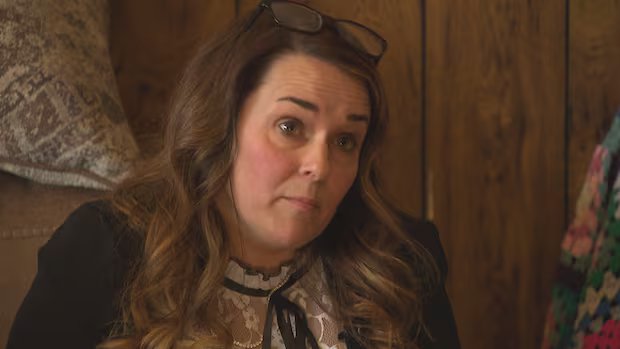
More than a year after Newfoundland musician Mark Hiscock died unexpectedly from sepsis, his family is still reeling from the loss — and say his death was preventable.
Hiscock, a mainstay of Newfoundland and Labrador’s musical landscape and a founding member of the well-known folk band Shanneyganock, died suddenly in May of 2025 at the age of 53.
“It’s still very raw. We have, you know, good days and we have days that are really bad still. I don’t think that’ll ever go away,” his wife, Kelly Traverse, told CBC News.
“I don’t think we’ll ever be able to be OK or be the way we were before what happened.”
Traverse said Hiscock was getting into his boat and forgot to take his bifocals up, lost his depth perception, and fell. After several days in pain, he went to the hospital where he got a chest X-ray and was sent home with painkillers.
Traverse said his condition continued to deteriorate, and he was having trouble speaking.
Three days after his initial visit to the hospital, Hiscock went back, and by that time he was in more pain and had difficulty swallowing, breathing and moving his arms. The meeting with the doctor lasted 10 minutes and he was sent home with an anti-inflammatory medication, said Traverse.
“The next day Mark had passed away. And we learned that after there was much more going on with Mark that should have been caught at the hospital,” said Traverse.
Matthew Hiscock, Hiscock’s brother, can remember getting the call that his brother was being rushed to the Health Sciences Centre by ambulance.
“I’m not usually one to cry or anything, but I broke down as soon as I saw that happening,” he said.

Traverse said her husband had two breaks in his back and in his neck.
According to Traverse, when they received the medical examiner’s report it said his death was due to sepsis, the body’s extreme response to an infection that can attack healthy tissue and lead to organ failure, stemming from the break in his back.
If Hiscock’s case had been properly looked into when he went to hospital, Traverse said “he would still be here with us.”
‘None of it makes sense’
Hiscock’s mother Linda said they were talking to her son on the phone and his slurred speech was noticeable, making her wonder why the hospital didn’t act.
“Why wasn’t that checked?” she asked. “We heard it on the phone. It don’t make sense. None of it makes sense. We lost a wonderful man,” she said, shaking her head.
Norman Hiscock, his father, said someone needs to answer for what happened.
“We’re not letting it go, not by a long shot,” he said. “You can’t just walk away and say nothing happened.”

Mark Hiscock’s loved ones say they are still grappling with his unexpected death more than a year ago, after he developed sepsis from a fall. They are looking to the province’s health authority for accountability.
Sepsis is a ‘medical emergency’
Fatima Sheikh, a health equity scientist with Hamilton Health Sciences and an assistant professor at McMaster University’s department of health research methods, evidence and impact, is part of a team developing a national action plan on sepsis identification.
She said sepsis can also be kickstarted by common infections like pneumonia, a cut to a finger or urinary tract infection.
“Sepsis is absolutely a medical emergency. It is a time sensitive condition and it affects millions of people worldwide,” Sheikh said.
According to the World Health Organization, sepsis is a leading cause of death worldwide.

McMaster University researcher Fatima Sheikh is part of a team developing a national action plan on sepsis identification. She explains what sepsis is and why it can be difficult to identify.
Sheikh said there are challenges in identifying sepsis cases because it can present through a variety of symptoms, like slurred speech, confusion, shivering or muscle pain, as well as fever and severe breathlessness.
“We have the tools and resources to be able to treat sepsis. And so in many of these cases, it is absolutely preventable,” said Sheikh.
Family looking for accountability
Traverse said she wants to see accountability and change in the health-care system so what happened to Hiscock doesn’t happen again. The family also hasn’t ruled out legal action, she added.
“What we wanted from all of this was [to] say, yes, you know what, there’s a problem in our health care. Something happened that shouldn’t have happened,” she said, her voice breaking with emotion.
CBC News requested comment from Newfoundland and Labrador Health Services in response to the concerns voiced by the Hiscock family, which acknowledged the request but did not provide a statement by publication.
CBC News also requested data on sepsis cases in the province.
Matthew Hiscock said his brother followed every step a person is supposed to take when they go to hospital, advocating for himself and saying how he was feeling.
“To be discharged each time, you know, the health-care system [was] unable to protect Mark and keep him safe when he needed it the most,” he said.
Download our free CBC News app to sign up for push alerts for CBC Newfoundland and Labrador. Sign up for our daily headlines newsletter here. Click here to visit our landing page.