dailynewsnblog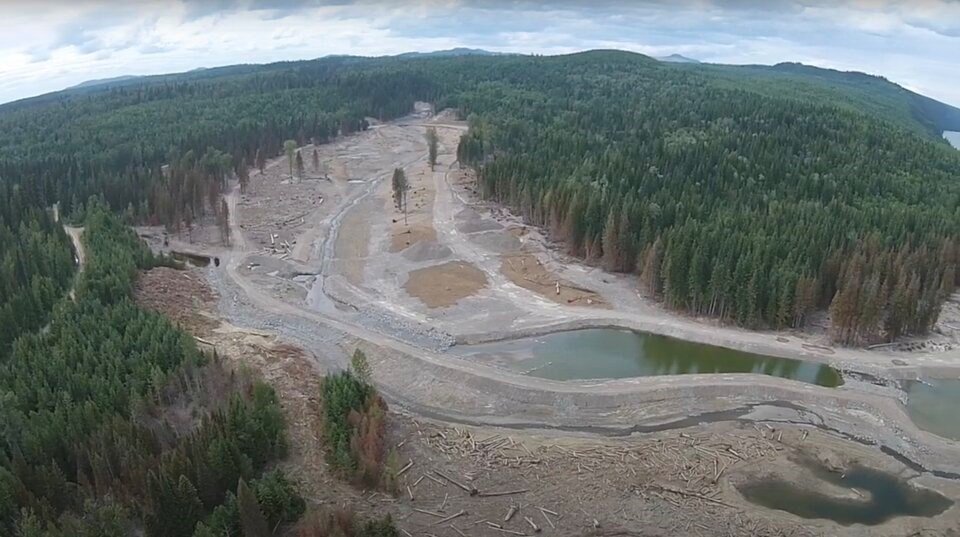
B.C. judge rejects mining firms’ bid to limit a 15-count indictment to two, comparing the 2014 tailings spill to a bomb thrown into a crowd
Three corporations have failed in their attempt to quash more than a dozen charges brought against them after the catastrophic failure of a B.C. dam released roughly 25 billion litres of mine wastewater and toxic sludge into the environment.
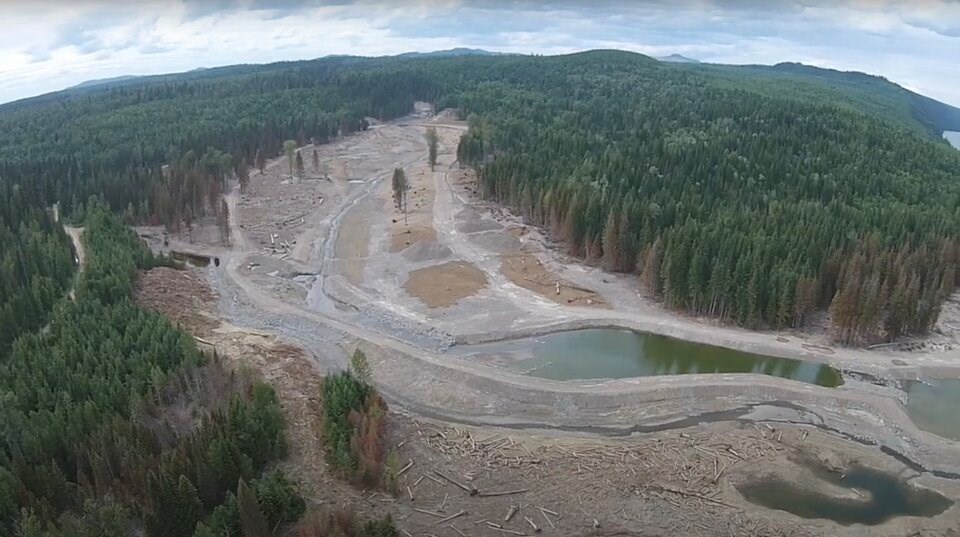
On Aug. 4, 2014, a dam holding back waste at the Mount Polley gold and copper failed, sending a cascading debris flow downriver and seriously damaging rivers and lakes in what would become North America’s biggest disaster of its kind on record.
A decade later, Imperial Metals Corp. (TSX:III), Mount Polley Mining Corp. and Wood Canada Ltd. were indicted and now face 15 regulatory charges under the federal Fisheries Act.
The December 2024 counts were applied across five water bodies whose trout and salmon populations were decimated by the flood: Polley Lake, Bootjack Creek, Hazeltine Creek, Edney Creek, and Quesnel Lake.
The mining and engineering corporations argued that because the spill arose from a single event, the multi-count indictment was duplicative and should be consolidated into just two omnibus counts related to the single “Quesnel River Watershed.”
The corporations had argued that having 15 potential findings of guilt for a single instance of “alleged unlawful conduct” would place a stigma on the companies.
In her ruling, Justice Miriam Maisonville rejected those arguments.
At one point in the ruling, the judge pointed to a past judgement, stating that a person who threw a bomb into a crowded space would be required to answer for the multiple injuries and deaths that might result. The ruling also dismissed the idea that a corporation could suffer the same stigma as a real person.
“A corporation does not suffer prejudice or stigma, it cannot be imprisoned and does not experience psychological stress or harm, nor does it possess human dignity or other Charter-protected human interest,” wrote Maisonville.
The judge ruled that the charges target separate legal violations, and that the disaster damaged five distinct ecosystems, each supporting its own unique fish species and habitats.
Forcing Crown prosecutors to roll up its charges would improperly infringe on prosecutorial discretion, she added.
First opened in 1997, the mine built to process roughly 18,000 tonnes of ore per day.
After the dam breach, Mount Polley Mining Corp. reopened the mine in 2016, and has since moved to expand its footprint.
In April 2025, B.C.’s Environmental Assessment Office (EAO) formally declined a request from the Xatśūll First Nation to designate the proposed expansion as a brand-new “reviewable project.” Instead of restarting the regulatory process, the determination meant that the expansion would be handled through amendments to its existing environmental assessment certificate.
The B.C. government issued a consent order to Mount Polley Mining Corp. in March, raising a tailings pond dam by four metres at the site. The interim measure was made to deal with spring runoff as the expansion application was reviewed, according to the province.
By August, the EAO issued a formal consent order green-lighting the core Springer Pit expansion. The decision extends the mine’s operating lifespan to 2033, allowing the company to deepen the pit and expand rock disposal areas.