dailynewsnblog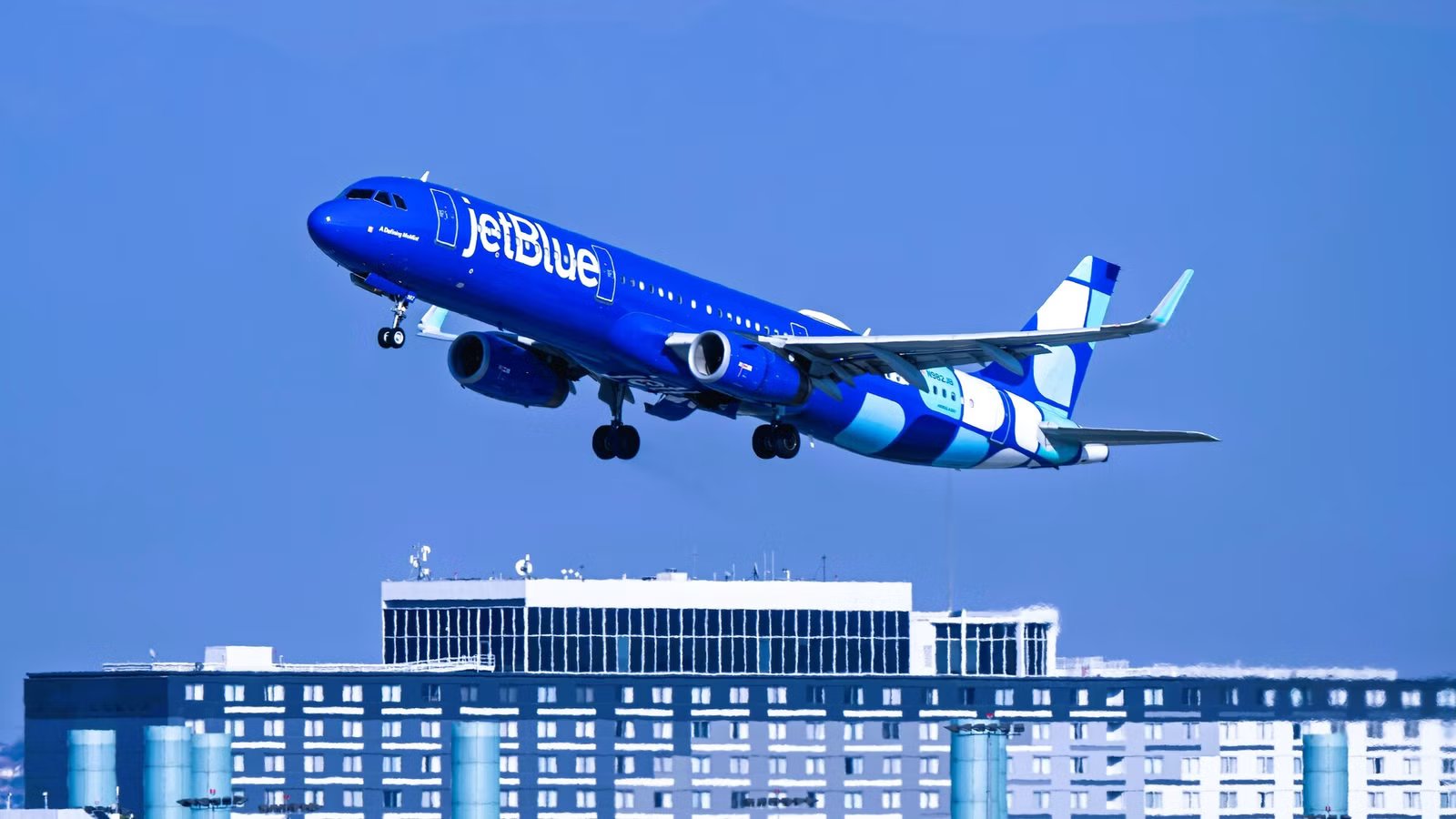
US-based low-cost carrier JetBlue Airways is seeking to steady existing narratives around its financial health after extensive industry speculation. The carrier’s CEO, Joanna Geraghty, told employees that bankruptcy is not being considered by the board. This message is significant because it comes just days after the airline had to address major concerns about its financial state amid an environment marked by much higher fuel costs than analysts had predicted and broader uncertainty around airline consolidation.
JetBlue also pointed to its liquidity position and recent financing moves, including a $500 million debt commitment backed by aircraft. The airline has an even more valuable option to raise another $250 million. The much broader takeaway is extremely clear. Management wants investors, employees, and customers to see restructuring fears as severely overblown, especially now.
What Exactly Did JetBlue’s CEO Say?

JetBlue’s CEO Joanna Geraghty had a clear message to stakeholders and creditors. She wanted to make it very clear that the airline is not considering declaring bankruptcy. In an internal memo to employees, she noted directly that JetBlue is not considering a bankruptcy filing during the current fiscal year. She wanted to stress that the airline continues to have ample liquidity while operating in a very difficult environment.
She has also noted that JetBlue has access to additional capital, signaling that management believes it still has financing options available rather than being forced into a court-led restructuring proceeding. The tone of this memo, according to Bloomberg reports, appears to be stabilizing and defensive. It was directly meant to reassure staff that, despite market concerns and creditor pressure on the airline’s balance sheet, the company does not see Chapter 11 restructuring as part of its immediate, near-term plan.
Why Did Speculation Exist About A Bankruptcy Filing?

Speculation around JetBlue’s potential bankruptcy filing stemmed from a mix of weak fundamentals and a suddenly harsher industry backdrop. The airline remained unprofitable in 2025, with its management team stating that macro uncertainty delayed its return to profitability. At the same time, its balance-sheet repair was still an unfinished process.
Shareholders have been carefully watching JetBlue’s new reliance on borrowing. In 2024, the airline picked up more than $3 billion in debt, and the carrier was downgraded by S&P and Moody’s. In April, it lined up another $500 million in aircraft-backed financing, with room for an additional $250 million.
On top of all that, the recent surge in jet fuel prices hit low-cost and lower-margin carriers especially hard. Analysts have commented that JetBlue is undoubtedly one of the airlines most exposed in the event that fuel prices stay elevated, noting that it had no fuel hedges in place and was expected to burn cash significantly before it came close to breaking even. In that setting, bankruptcy rumors were almost inevitable in nature.

JetBlue CEO Says “No” To Merger With United Airlines
The CEO of JetBlue denied speculation about merger talks with United Airlines.
What Does This Statement Mean For JetBlue?

This statement ultimately matters to both investors and creditors because it draws a hard line between the carrier’s current problems and a full-blown restructuring scenario. By publicly stating that bankruptcy is not under consideration, management is trying to reassure employees, analysts, lenders, and customers that the carrier still has enough liquidity and financing flexibility to keep executing its turnaround rather than handing control to a court process.
In overall practical terms, this supports the carrier’s well-established growth plan. The airline aims to continue modest growth, roll out its JetForward initiatives, and work toward break-even or better operating profitability for the full year. It also helps calm the risk that suppliers, travelers, or the market will begin acting as if a filing is imminent.
That being said, the statement is designed to improve employee and investor confidence more than it actually changes anything fundamental. JetBlue still has to prove that it can turn that liquidity runway into sustainable profits, so the outlook shifts from acute distress to pressured but still manageable recovery.