dailynewsnblog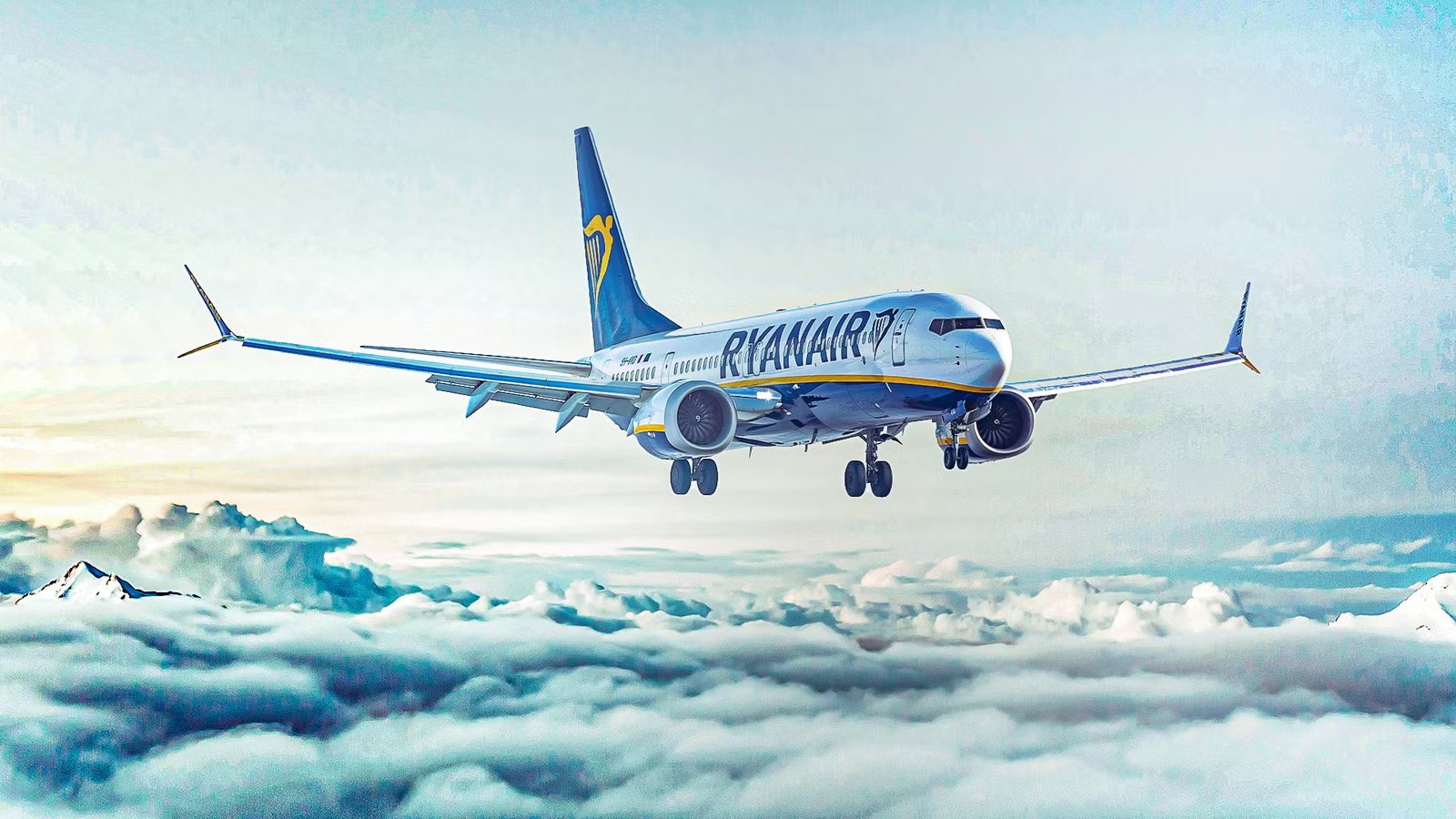
Ultra-low-cost carrier Ryanair is celebrating becoming debt-free, with the airline announcing today (May 25) that the carrier has repaid its final €1.2 billion ($1.4 billion) bond. This will see the airline become effectively unencumbered, as it heads into the busy Northern Hemisphere summer season.
For European carrier Ryanair, this marks the first time since 1997 that the airline is free from financial obligations, after the airline was floated on the stock exchange. This marks the next chapter for the airline as it now operates an unencumbered (free of debt) fleet of 620 Boeing 737 aircraft.
Europe’s Favorite Airline Is Now Flying Debt Free

This summer could be one of the most challenging for the airline since the COVID-19 pandemic, with increasing operating costs due to the increase in jet fuel costs. However, now with no financial liabilities or lease secured against any of its planes, the airline will be able to operate without the worry of aircraft repayments.
Airlines with no leasing or debt for aircraft are uncommon in the aviation industry, due to the industry being very capital sensitive, as the cost of an aircraft can be hundreds of millions of dollars. Ryanair Group CFO, Neil Sorahan, celebrated the announcement with the following statement:
“Today is a historic day for Ryanair as our Group, following repayment of our final €1.2bn bond, is now effectively debt free. Our fortress balance sheet is underpinned by an unencumbered B737 fleet of 620 aircraft, solid ratings (BBB+) from both Fitch Ratings and S&P and strong liquidity. This financial strength further widens the cost gap between Ryanair and our competitors, many of whom are exposed to expensive (long-term) debt and aircraft leases and will enable Ryanair to continue to grow traffic at much lower fares than our competitors, bringing even more value to consumers all over Europe.”
Low-Cost Fares Are Here To Stay

Shutterstock | Simple Flying
Sorahan emphasised in his message that the ability for the airline to now operate with little to no financial obligations should mean that the airline can continue to grow traffic faster than its competitors, promising more low fares for travelers in Europe. The airline’s balance sheet is looking good, with a solid financial rating of BBB+ according to Fitch.
The airline raised its last remaining bond of €1.2 billion ($1.4 billion) during the COVID-19 Pandemic to help with liquidity, and the airline made a special note to thank its bondholders for the ongoing support. The airline will likely revisit the bond market in the near future as the airline aspires to grow its network and capacity to at least 300 million passengers by the end of 2034, and add 50 Boeing 737 MAX 10 from 2029, part of its order for more than 150 of the type. Ryanair’s current fleet is detailed below from its website and ch-aviation:
|
Type |
Number Active |
Capacity (all Economy) |
|---|---|---|
|
Boeing 737 MAX 8-200 |
210 |
197 |
|
Boeing 737-800 |
411 |
189 |
|
Airbus A320-200 |
26 |
180 |
|
Boeing 737-700 |
One (Operated by Buzz) |
148 |
|
Bombardier Challenger 3500 |
Four (used for corporate transport of engineers, parts, and crew) |
VIP |
According to Ryanair, it is cash positive with a net cash position of more than €2.1 billion ($2.44 billion). This ‘cash-rich’ status should place the airline at a major advantage over its rivals on the European continent that could be carrying long-term debt or lease obligations.
Why Ryanair’s CEO Is Warning That European Airlines Could Go Bankrupt This Summer
Ryanair CEO Michael O’Leary’s comments at the Oslo investment conference about European airlines facing economic challenges.
Ryanair Thinks Some Airlines Won’t Survive The Summer

Outspoken Ryanair Chief Executive Officer Michael O’Leary has suggested that this summer, several European carriers won’t last the season, due to challenging economic conditions, the increasing cost of jet fuel, and the uncertainty that has come from regional tensions in the Middle East.
O’Leary has claimed that several European airlines will face bankruptcy primarily due to the cost of jet fuel, which has increased to double what it was previously. Ryanair has hedged around 80% of its jet fuel, while others have less hedged, meaning that they would be susceptible to fuel price swings. O’Leary now suggests that Ryanair could be the ‘most insulated airline in Europe’.
Catch what other flight trackers miss
Emergency squawks, holds, NOTAMs — live signals, no signup.
Open tracker
Catch what other flight trackers miss
Emergency squawks, holds, NOTAMs — live signals, no signup.
Open tracker
Ryanair is infamous in Europe for its ultra-low-cost model with its strict baggage guidelines, cost for seat selection, priority boarding, and airport check-in, and operating to several secondary airports (some further away from the centre they advertise, such as Frankfurt Hahn Airport(HHN) , which is closer to Luxembourg than Frankfurt itself).
Heading into this summer, Ryanair will be feeling very positive about its financial position, with the carrier likely ready to leap if the airlines O’Leary is suggesting may fail.