dailynewsnblog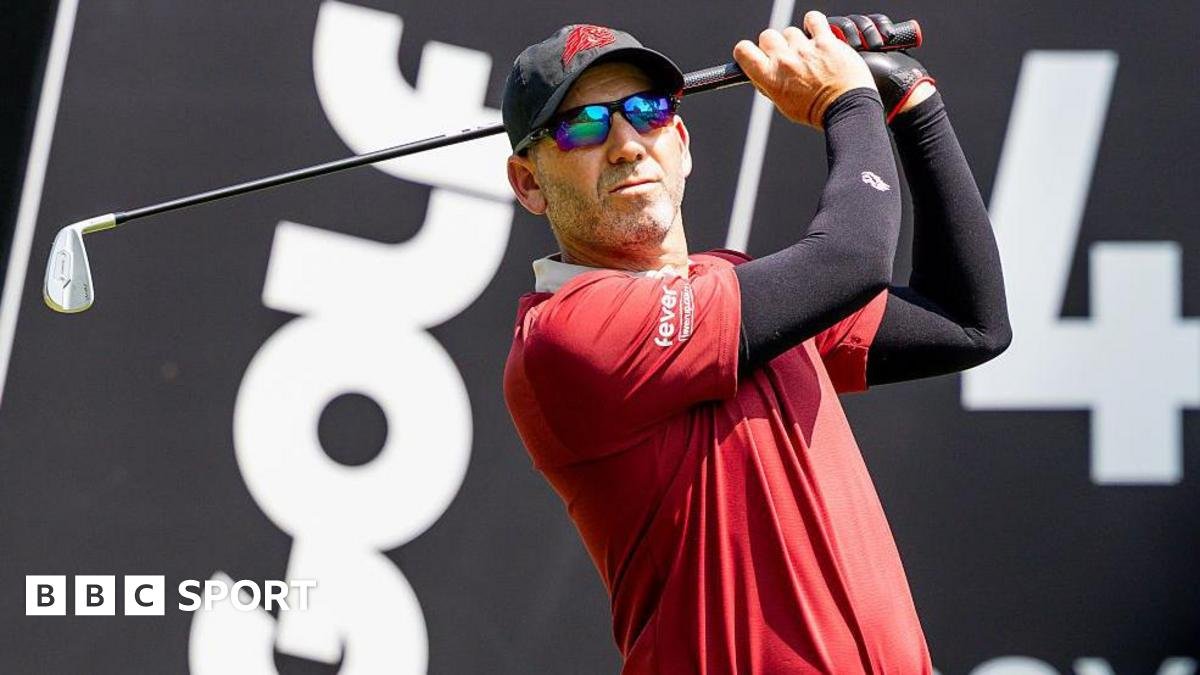
LIV’s arrival shook men’s professional golf to its core by recruiting some of the game’s biggest names.
But even with major-winning stars such as Phil Mickelson, Bryson DeChambeau, Koepka, Cameron Smith and Dustin Johnson, the breakaway tour struggled to attract television viewers.
Tournaments in Adelaide and Johannesburg have been successful sell-out events, but the wider ambition to create teams capable of attracting significant outside investment, in the way cricket’s Indian Premier League (IPL) does, has not materialised.
So financially LIV has not come close to offering a return on the kingdom’s massive investment. Meanwhile, many of their players have struggled to remain competitive against those playing on the established tours.
Although Koepka and DeChambeau won majors while competing on LIV, their players have rarely made an impact on the biggest stage. England’s Tyrrell Hatton was the only LIV player to contend at last week’s Masters.
Koepka’s decision to go back to the PGA Tour at the start of this year was a big blow, as was Patrick Reed’s decision to quit LIV.
Koepka took advantage of a hastily arranged returning player programme which was also available to Rahm, DeChambeau and Smith, who all declined. Whether that opportunity is still available remains to be seen.
More likely, LIV golfers who automatically face a one-year ban from the PGA Tour could follow Reed’s example and play a season on the DP World Tour to try to win back a card on the US circuit.
If Saudi Arabia decide to shut down the LIV project, they might look to invest in the DP World Tour to maintain some involvement in men’s professional golf.