dailynewsnblog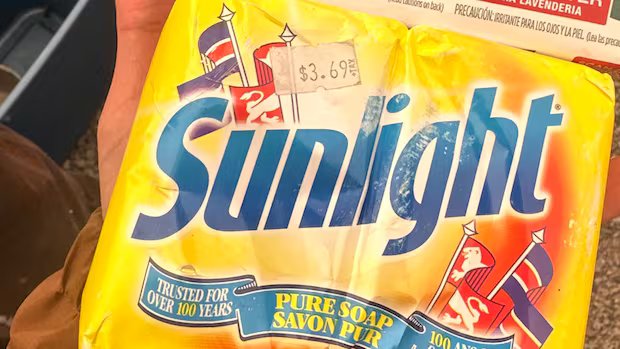

Listen to this article
Estimated 5 minutes
The audio version of this article is generated by AI-based technology. Mispronunciations can occur. We are working with our partners to continually review and improve the results.
Thumlee Drybones-Foliot’s job is to share and teach traditional practices. She’s Dënesųłiné from Yellowknives Dene First Nation, and a land-based educator with the Dechinta Centre for Research and Learning.
These days, she’s having to find a replacement for a key ingredient in a long-standing brain paste recipe she uses to tan hides: Sunlight Pure Soap bar.
“For as long as I have been hide tanning, my great grandmother and all the other hide tanners that I know and have worked with have used a very specific bar of laundry soap,” Drybones-Foliot said.
The soap, combined with boiled animal brains, is used as part of a paste that keeps the hide soft during the tanning process.
Drybones-Foliot isn’t alone. The brand is one of the oldest widely marketed branded soaps, popular for over 100 years. The brand changed hands several times over the decades, most recently being acquired by the Henkel Corporation, who discontinued much of the line in Canada. Since then, hide tanners who used it in their brain paste recipes have had to find other solutions.

Drybones-Foliot noticed the bars were no longer available in stores some time ago. Until then, it had been a very affordable and widely accessible product, so she went online to see if she could buy it elsewhere. She was not expecting to see what she did.
“It was kind of interesting to see the whole strife of people trying to get the Sunlight soap. This bar went from $3 to $45, because people had reserved stashes [and were trying to sell] on Amazon and I think eBay,” she said.
“Just seeing how desperate people were getting for the soap, how much they were willing to pay for it was really … kind of like a spectacle.”
Melaw Nakehk’o is Dene and Dënesųłıné from Łı́ı́dlı̨ı̨ Kų́ę́ First Nation and a hide tanner, multi-disciplinary artist and a filmmaker. She explained what made this particular bar so special.


![Historic: Air Canada Launches 1st Flights On These 2 New Transatlantic Routes [Map]](https://dailynewsnblog.com/wp-content/uploads/2026/06/air-canada-boeing-787-8-taxiing.jpg)