dailynewsnblog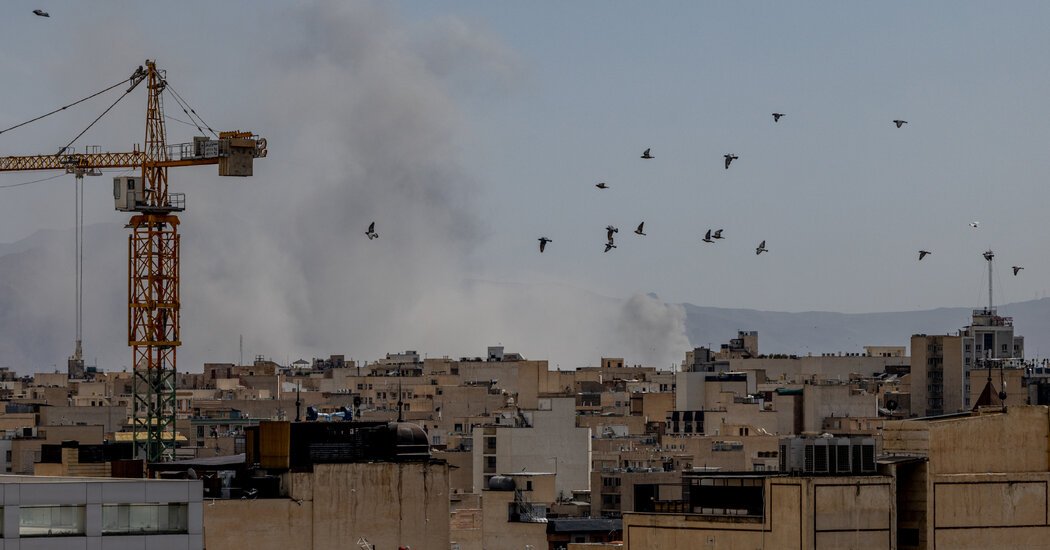
Anyone who imagined that reports in recent days of Iran and Oman being near an agreement on reopening the Strait of Hormuz meant that it might actually reopen, and that oil and other critical commercial traffic would soon resume, now knows better.
The strait, which Iran effectively shut down in retaliation for the war launched by the United States and Israel in February, will remain closed for business, a top Iranian official said Sunday.
“An agreement with Oman does not mean reopening the strait,” said the official, Foreign Minister Abbas Araghchi.
In keeping with negotiations that have progressed as fitfully as the ships stranded by the conflict, Iran on Saturday issued a sweeping list of demands it said would have to be met before vessels could move again, and world markets could get some much-needed reassurance.
In a statement, it called for the United States to lift its naval blockade and its sanctions on Iran, withdraw the U.S. military from around the country, pay war reparations and release frozen Iranian assets. It also demanded an end to attacks on Iranian allies in the region and to threats against the country.
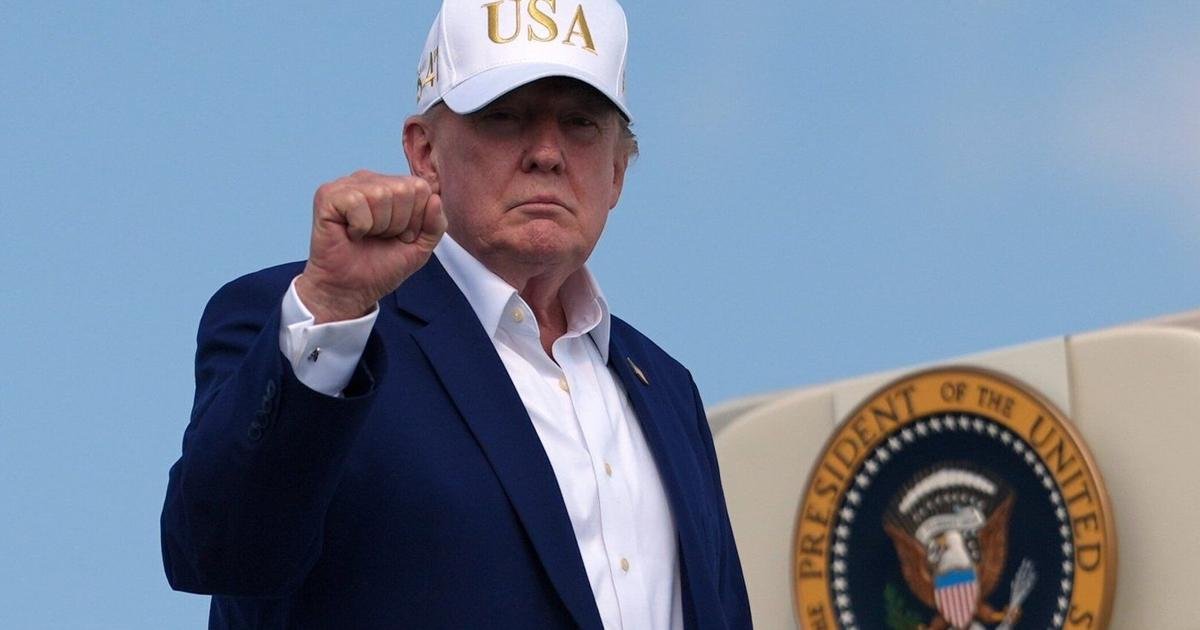
Word that Iran and Oman were almost done coming up with a plan for the strait came days after President Trump said he had canceled a potentially enormous U.S. military assault on the Iranians. He cited signs that the strait, a vital commercial waterway, would soon reopen.
But Iran has since made clear that it is not done using the strait for leverage.
As a practical matter, almost all of the demands it issued over the weekend align with the agreements in a memorandum of understanding Mr. Trump signed in June. It appears that the Iranians want to make sure that the United States delivers on its promises.
For now, that means that after months of grand pronouncements about an imminent return to ordinary commerce — “Let the oil flow!” Mr. Trump crowed after the June agreement was reached — the strait remains all but closed.
It may be worth a reminder that the war was not, at least at first, about the strait. Vessels flowed freely there before the war. In launching it, Mr. Trump cited Iran’s nuclear program and a desire to topple the theocratic regime.
Here is how we got here.
February
Feb. 28: The United States and Israel launched strikes across Iran, hitting a government compound in Tehran and military targets. The blasts killed Ayatollah Ali Khamenei, the nation’s supreme leader for almost 37 years, as well as other high-level military and intelligence leaders.
At least 175 people, most of them probably children, were killed in a strike on a girls’ elementary school in southern Iran, health officials and Iranian state media said. The strike was a targeting mistake by the U.S. military, according to U.S. officials familiar with a military investigation.
Iran retaliated for the U.S.-Israeli assault by firing missiles and drones at Israel and at U.S. military bases in the region, including in Qatar, Kuwait and the United Arab Emirates.
March
March 1: An Iranian drone attack killed six U.S. soldiers in Port Shuaiba, Kuwait, the first Americans to die in the war.
Hezbollah, the Iranian-backed militant group, dragged Lebanon into the conflict, firing rockets toward Israel in retaliation for the killing of Iran’s supreme leader.
In a brief telephone interview with The New York Times, Mr. Trump said the United States and Israel intended to sustain their assault on Iran for about “four to five weeks.”
March 8: With several top Iranian leaders killed in airstrikes, Iran named Mojtaba Khamenei, a son of the slain supreme leader, as his father’s successor. Ayatollah Khamenei, 56, was appointed by a committee of senior Shiite clerics, signaling continuity and defiance after Mr. Trump called him an “unacceptable” choice.
March 11: Iran escalated its attacks in and around the Strait of Hormuz, striking at least three ships. The attacks sent oil prices surging and the Trump administration scrambling to calm global markets.
March 12: Six American crew members died after a KC-135 military refueling aircraft crashed in Iraq, bringing the number of U.S. service members killed in the war to at least 13.