dailynewsnblog
November 9, 2025 – Burnaby, British Columbia
Climate action is not only a moral responsibility—it’s an economic necessity. The global shift to a low-carbon economy is accelerating, changing how growth happens and where capital flows. To stay competitive, Canada must catalyse investment across clean and conventional sectors so our industries can meet the world’s rising demand for low-carbon products and energy. In the face of global uncertainty, Canada’s new government is focused on what we can control. How we respond to the challenge of climate disruptions will influence Canada’s economic competitiveness, drive new investment opportunities and shape our global standing for generations to come. Canada must take action to fight climate change, drive down emissions and invest in building the economy of the future.
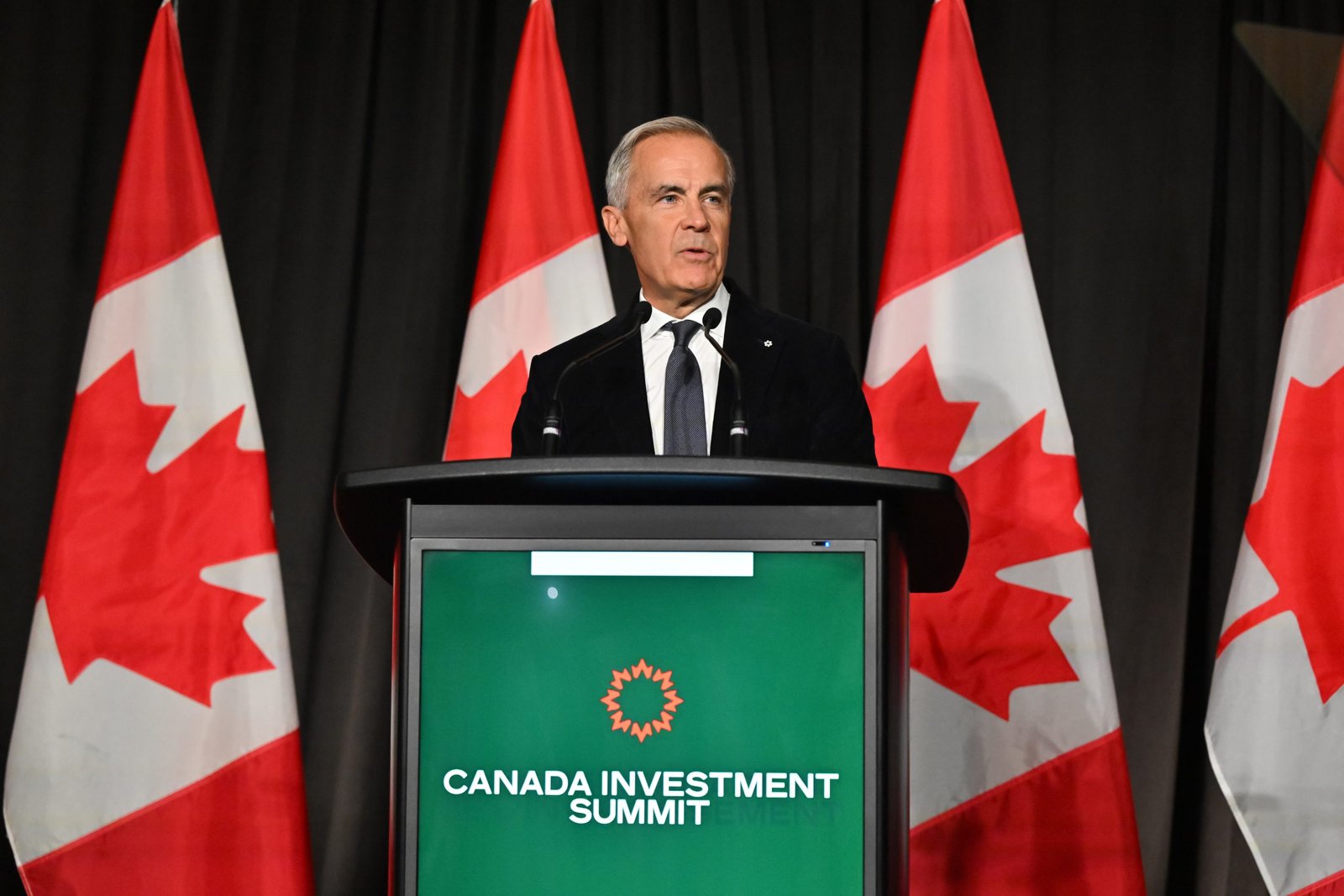
Today, the Honourable Randeep Sarai, Secretary of State (International Development), echoed the announcement highlighting Canada’s Climate Competitiveness Strategy—a strategy based on driving investment and achieving results. Building on Canada’s competitive advantages and global standing as a clean energy superpower, the strategy will strengthen our economy by:
- strengthening industrial carbon pricing
- providing clarity on regulations to reduce greenhouse gas emissions
- boosting clean economy investment through tax credits
- supporting critical minerals projects
- mobilising capital for the transition to net-zero
- developing new metrics to track our success.
The Climate Competitiveness Strategy will help Canada build the strongest economy in the G7. With this strategy, we can leverage Canada’s unique strengths—like our abundant natural resources and innovation in clean technology—to attract investment, create good jobs in communities across the country, and ensure Canada continues to be competitive on the world stage. Every step we take to build infrastructure, train workers, and support innovation in this is an investment in Canada’s long-term prosperity.
The strategy will create the conditions to propel Canada’s competitive advantage through investments in clean growth technologies. By investing in innovation and scaling homegrown solutions, we will position Canadian companies to lead. We will leverage Canadian clean technology to reduce the emissions intensity of the energy we generate, and the products and resources we produce. This will both address climate change and open more economic opportunities internationally.
Canada has the assets to lead and seize the tremendous opportunities of the historic transformation towards low-carbon energy, growing jobs and improving affordability across the economy.
Canada’s Climate Competitiveness Strategy will help build Canada Strong by establishing a competitive advantage that will set us on track toward a more resilient economic and environmental future.