dailynewsnblog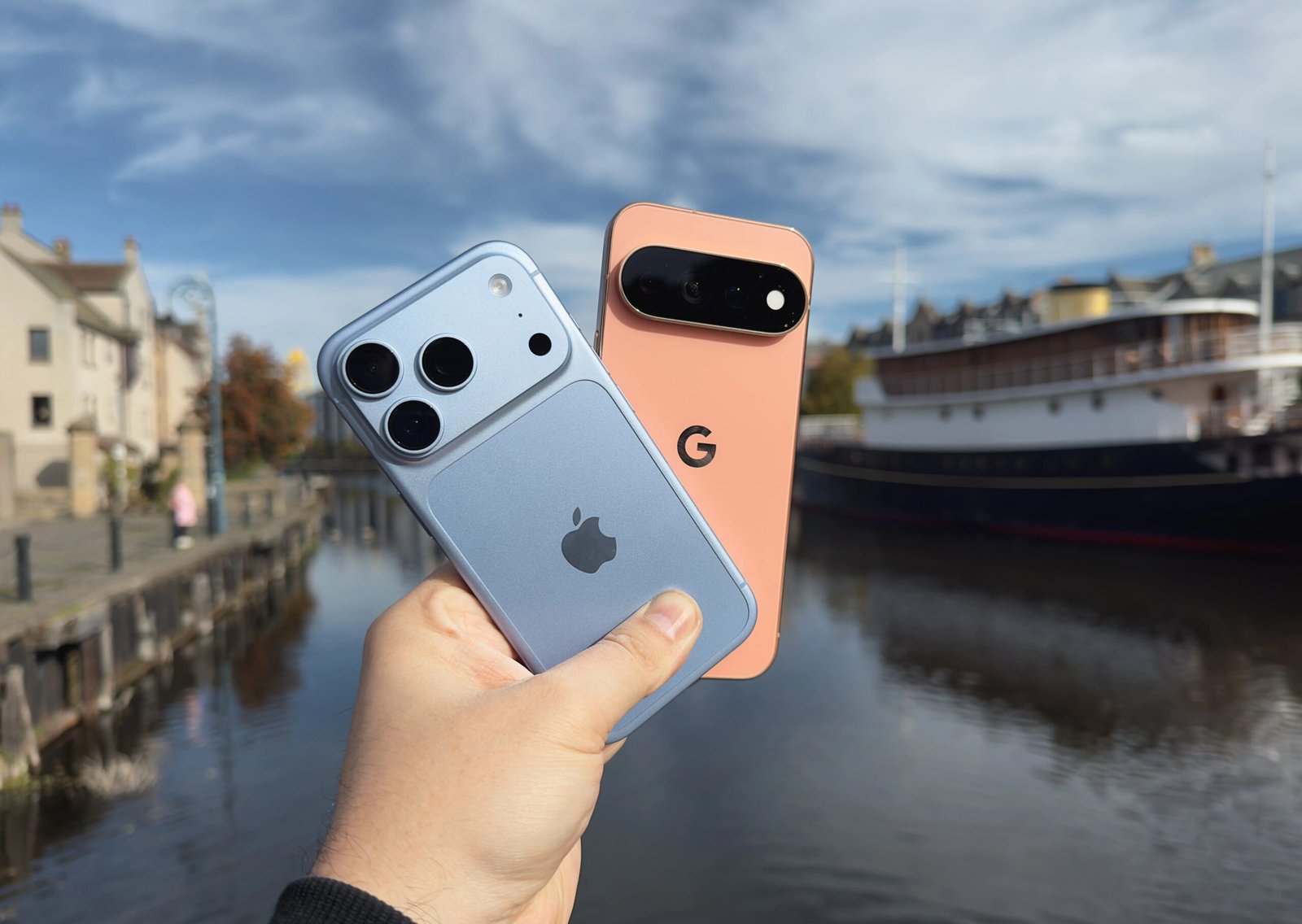
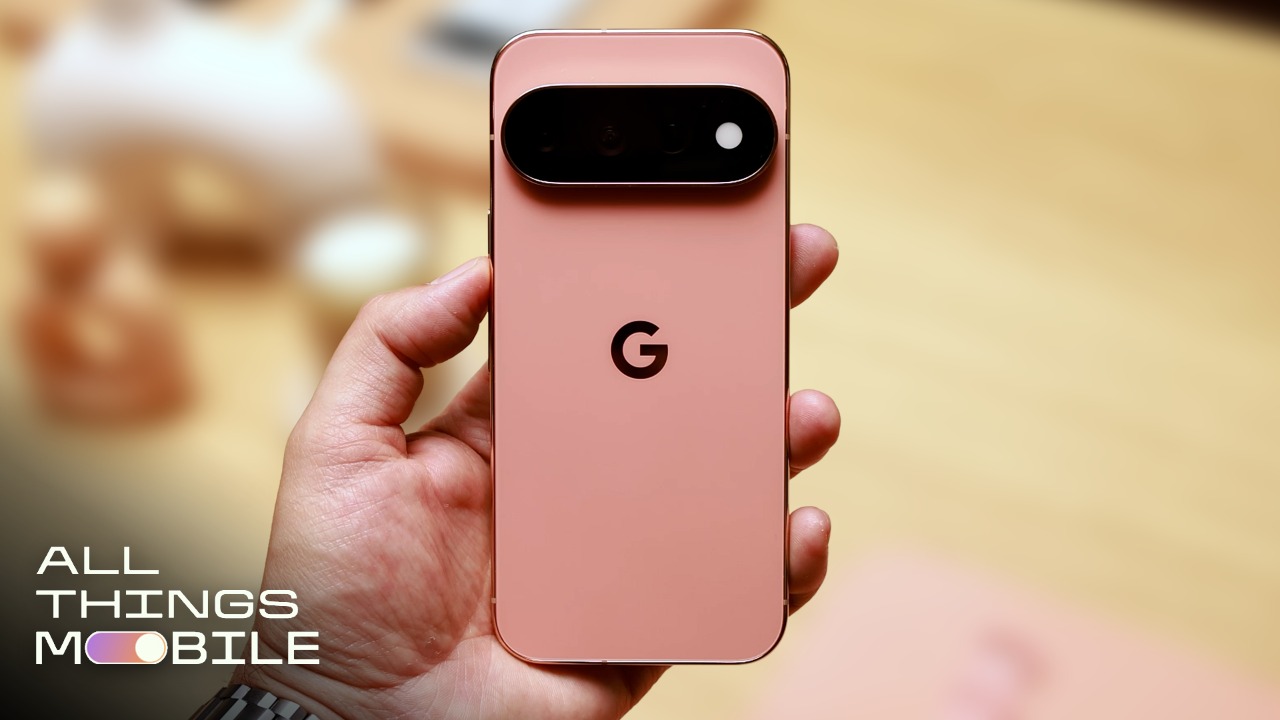
The $1,199 iPhone 18 Pro is Apple’s latest superphone, packing a variety of camera upgrades from its fancy new variable aperture lens to more ways to adjust the look of your images with Photographic Styles. But it’s not the only great camera phone around; Google’s $1,099 Pixel 11 Pro impressed me when I took it for a photowalk in Paris and I’ve been keen to see how these two compare. I was excited then to get both phones in my hands to take them out for some photography around the beautiful city of Edinburgh.
A quick bit of housekeeping before we begin. All images were taken in JPEG format, with mostly default settings. I have made some adjustments to settings throughout and I’ve tried to make it clear exactly what I’ve done when it’s necessary. Otherwise, all images are presented as taken without any further editing or adjustments.
More importantly, though, keep in mind that my results here are very much my opinion. As a photographer myself, I have certain expectations around what makes a “good” image and I prefer more natural image tones without too much software processing. Some of you may disagree, preferring vibrant, punchy shots that you can immediately share to your socials. As a result, you’ll have to take my conclusions with a pinch of salt. All that said, let’s dive in.


In the first image, both phones have done a great job of capturing this scene. There’s a great overall exposure and plenty of detail, but I much prefer the colors in the iPhone’s image. By leaning more towards a warmer white balance, it’s resulted in a shot that looks more natural, while the Pixel’s image has quite a strong magenta color cast.
This is taken with default settings, too — I didn’t even need to use the iPhone’s new white balance settings to adjust this, it’s just better as standard.


It’s a similar story here, with the iPhone 18 Pro leaning slightly warmer in its white balance. The Pixel isn’t as noticeably magenta this time, though, and I’d actually argue that it looks more technically “accurate” than the iPhone, but I still prefer the warmer tone that captures the scene in the more artistic way that I’d hoped for. After all, when I take a photo, I’m not necessarily looking for a scientifically accurate representation, but rather a more creative interpretation.


Nothing has changed when I switch to the ultrawide lenses, with the iPhone continuing to deliver slightly warmer images. I’m pleased, though; it’s a sign of a bad camera phone when color balance shifts dramatically between different lens options, so I like that both phones have maintained their “looks” here. As both phones have 48-megapixel ultrawide sensors, there’s almost nothing to choose between them when it comes to image detail.
iPhone 18 Pro Vs. Pixel 11 Pro: Telephoto zoom test


Unsurprisingly, the color differences are just the same when we switch to each phone’s optical telephoto zoom. The Pixel’s more magenta colors are apparent, and while both phones have 48 megapixel telephoto sensors, I think the Pixel’s image goes a little harder on its digital sharpening, resulting in a slightly “crunchy” look to the fine details, which I don’t love. This remains the case when I zoomed in further to 8x on the iPhone and 10x on the Pixel.


I’d played with the creative styles on the phones here, opting for the Gold Photographic Style on the iPhone and the Vanilla Camera Look on the Pixel. Both styles had film grain applied. This is a test that comes completely down to personal preference, but I prefer the iPhone’s image for a couple of reasons. For one, its image grain is more natural-looking than I’ve seen from the Pixel’s, which can look a little artificial. But I also like that the semi-circular window on the back wall has almost blown to a pure white on the iPhone.
While that might sound like a complaint, the reality is that cameras will start to lose detail when exposing for high-contrast scenes like this. The Pixel’s auto HDR has kept that outside sky so vivid blue in the window that it looks really quite fake to my eye. I used the creative tools in order to achieve a more “film-like” aesthetic and the iPhone’s shot is definitely the one that best achieves that goal for me.
iPhone 18 Pro vs. Pixel 11 Pro: Black and white test


I also prefer the iPhone’s black and white Photographic Style. It delivers a punchy, high-contrast shot with a blue sky rendered deliciously dark, perfectly contrasting with the white, fluffy clouds. The Pixel’s Black Tie monochrome mode has gone a very different way, with a very light sky and quite an odd flattening of highlights. I don’t love it.


I left the Pixel’s Vanilla Camera Look on for this shot inside this glorious museum and I’m glad I did. I love the warmer tones it’s achieved, while the iPhone is the one left looking a bit too clinical for my tastes. The downside is that I also had the film grain on the Pixel and I don’t like how it looks. But the iPhone’s image was taken in entirely default settings without any adjustments to white balance.


I warmed up the iPhone 18 Pro’s white balance and the result is a far more pleasing shot (the Pixel’s image is unchanged). Now I can compare them on a more even level, I can see that the iPhone has achieved a punchier contrast, with brighter highlights and deeper shadows. The Pixel has tried hard to tone down the contrast here, muting those highlights and lifting the shadows, especially underneath the walkways on either side, which is likely also part of the Vanilla look that was applied when I took the image. While the Pixel’s image isn’t bad by any means, I definitely prefer the look of the iPhone’s shot here.
iPhone 18 Pro vs. Pixel 11 Pro: Macro mode test


How’s about a bit of macro photography? I’ll cut to the chase: I prefer the Pixel’s shot here. It’s not just the colors (which I easily fixed on the iPhone by warming up the white balance); it’s the Pixel’s greater background blur (called “bokeh” in photography circles) that makes this berry stand out more. I do prefer the deeper contrast on the iPhone, but the Pixel still takes the win for me.
iPhone 18 Pro Vs. Pixel 11 Pro: Portrait Mode test


I had to hand the phones to my magical helper elf to get myself in front of the lenses for these portrait mode tests and I’m glad I did because the difference is significant. The iPhone’s shot has far more depth to its colors and contrast, while the Pixel’s portrait mode shot looks quite bland and washed out by comparison. If I’m nitpicking — which I always am — I’d say that the color of my face is a bit too deep on the iPhone, but I think it looks better out of the two.
There’s little difference to choose between them in how well each phone achieves its portrait “look” by blurring the background. Despite using the iPhone’s wider f/1.48 aperture, there doesn’t appear to be any additional focus falloff over the Pixel.


At 2x zoom (still using the main cameras on each phone), the results are similar. Again, I can’t see any noticeable difference in the amount of bokeh around me from the iPhone’s wider aperture and both phones have done a superb job in “cutting me out” from the background. However, I do think the colors are even more pronounced in the iPhone’s 2x shot, with my face looking much more orange than it really is. But the Pixel’s shot looks quite low-saturation and washed out. Somewhere between the two would have been nice.


While I might not love zooming right in on my face, needs must when it comes to writing a camera comparison article. I hope you’re all happy. Anyway, at 4x and 5x zoom from the iPhone and Pixel, respectively, I do think there’s much nicer background bokeh (more blur) in the iPhone’s shot, and I also think its colors are a bit more controlled than the spray-tan-orange tones seen in the previous example.
However, the details are quite different, especially on my face.

I can’t quite tell if the iPhone’s shot is over-sharpened or if Pixel’s shot has too much detail smoothing, but I definitely don’t love the quite harsh look of my beard on the iPhone’s image. The Pixel’s shot is a little more flattering in that sense and I can always give the saturation a little bump with the built-in editing tools should I want to.


Taken at night, the Pixel 11 Pro has technically delivered a brighter image here, especially in the sky, which looks like it could be early evening rather than well after sundown. But brighter doesn’t always mean better and I think the iPhone’s shot is superior in a number of ways. One, it’s got much better control over the highlights, with some of the lights inside the food truck clearly visible in its shot but rendered as pure white blobs in the Pixel’s image.

Cropping in close on both images, it’s much clearer that the iPhone has also captured a lot more fine detail. The figures in shot are crisp and clear, as is the sign, the van… well, it’s everything, isn’t it? It’s a far clearer image from the iPhone and I expected the Pixel to do better here.
iPhone 18 Pro vs. Pixel 11 Pro: Which has the best camera?
For me, the iPhone 18 Pro has taken an easy victory in most of my tests here. Both phones captured detail-packed images thanks to their broadly similar sensor resolutions, but I prefer the iPhone’s color rendering in almost every example. I found its shots were truer to life, with less reliance on image processing to lighten shadows or tone down highlights.
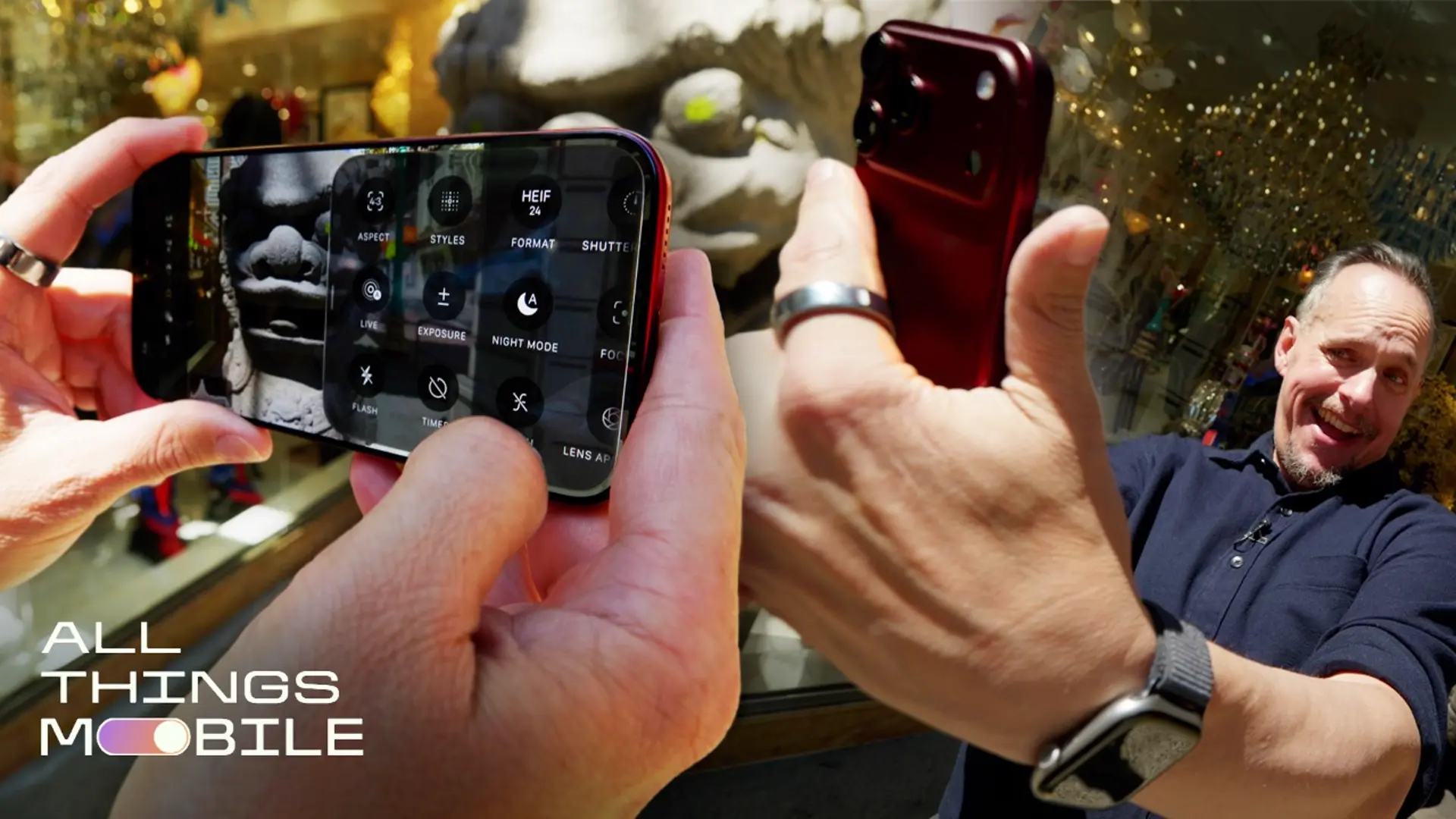
I also found it took better photos at night and I vastly prefer shooting black and white photos on the iPhone versus using the Black Tie mode on the Pixel. In fact, I generally prefer getting creative with Apple’s Photographic Styles to the Pixel’s new Camera Looks, which I still don’t think offer as much customization as Google can provide.
Still, I didn’t love the iPhone’s colors in portrait mode, nor did it perform as well when it came to macro photography, so it’s not a total clean sweep for the iPhone here.
While I’m calling this a win for the iPhone overall, the Pixel 11 Pro still packs an absolutely superb camera that captures glorious images in almost any circumstance. Either phone will be a formidable partner for capturing your next holiday and the reasons you’ll pick one over the other will more likely come down to your preferences with iOS over Android.

See full bio