dailynewsnblog
Aviation consultant tells iPolitics Carney’s claim that privatizing four major airports won’t raise travel costs is “slightly disingenuous.”
By handing four major airports to private operators, the Carney government is taking a step previous Liberals avoided for many reasons, including concerns about public opposition.
But a Liberal caucus member tells iPolitics the party’s internal polling on the issue predicted minimal backlash this time around.
“What our internal polling shows is support for privatization, I think people are not really concerned one way or another,” said the source.
“Questions may start to arise around how you’re going to spend the money. So if you have a credible, clear answer on how you’re going to deploy the capital, then you get support for privatization.”
iPolitics is not naming them as they were not authorized to share that information publicly.
So what’s changed since the last Liberal government flirted with the idea of turning airport operations over to the private sector?
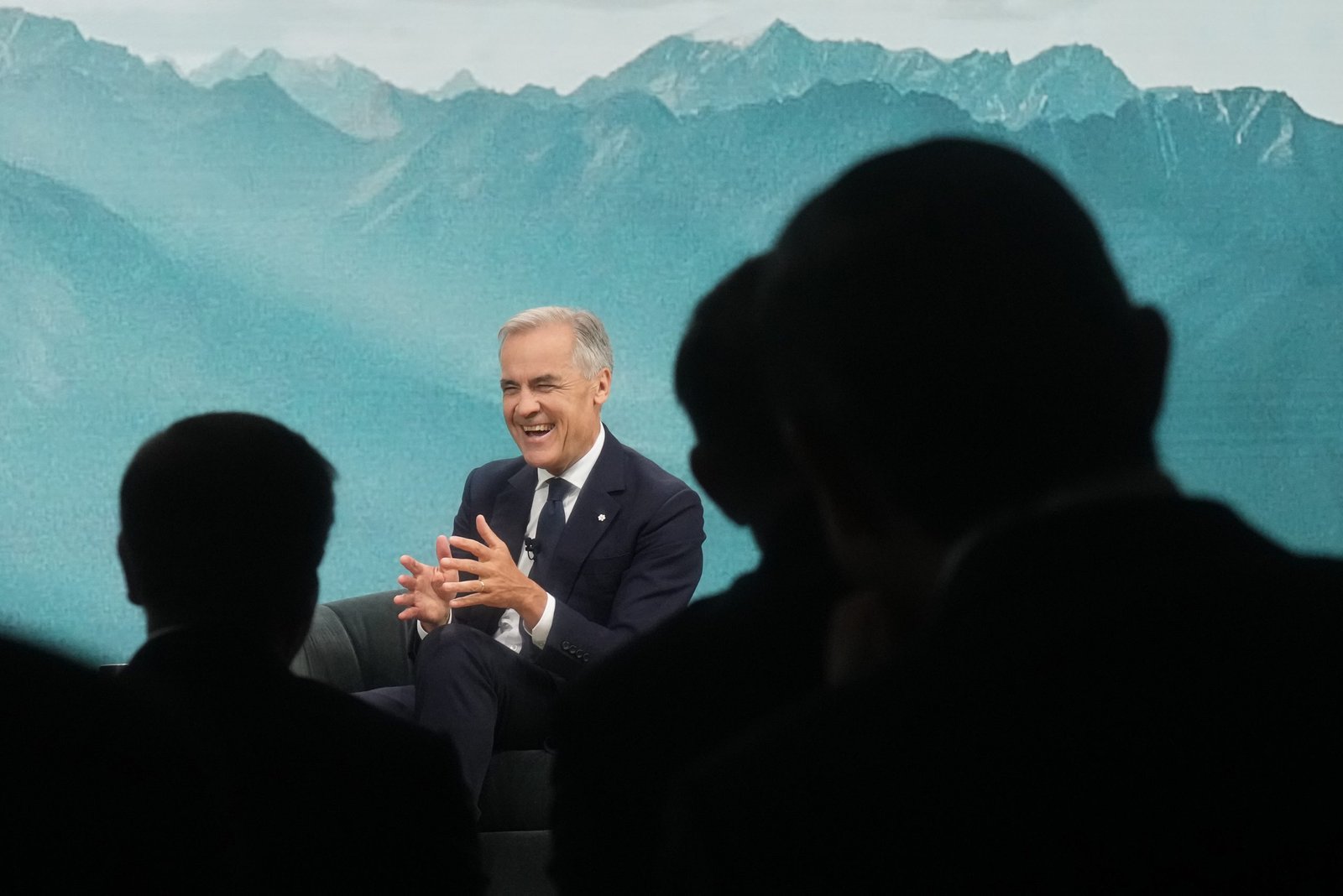
“This time is different,” Prime Minister Mark Carney told reporters Tuesday. “We are living in different times… We need to be smart with how we use the assets we have.”
Carney touted airport privatization as a win-win that would improve passenger service and free up capital for smaller airports and broadband, as U.S. trade actions threaten to strain Canada’s finances.
To ease concerns about the loss of public control, Carney stressed that Ottawa retains ownership of the land while emphasizing that the concession model operates successfully around the world.
But the Liberal messaging on the impact on travel costs is “slightly disingenuous,” according to Chris Rickett, who advises on aviation and government relations.
For private operators to make the Montreal, Vancouver, Toronto and Calgary airport concessions work, he says, they’ll have to cut capital investment or raise fees.
“Those pension funds are going to want 15 to 20 per cent returns, and that has to come from somewhere.”
Rickett points out that the airports were already privatized, but that up until this week, 12 per cent of profits – some 500 million annually – were public.
“Now what we’re saying is we’re going to go one step further and make those profits private.”
Rickett acknowledges Ottawa needs to free up capital, but argues issuing a bond against the airports’ $400-million annual revenue would be preferable to handing over the revenue to the private sector.
“I think, cynically, Canadian pension plans have been pushing for this for a while, and I suspect it’s probably part of the price of admission for them to invest in other projects,” he said.