A few weeks into the war in Iran, an Ontario-based grocer started receiving surcharge letters from its suppliers stating that delivery costs would be going up.
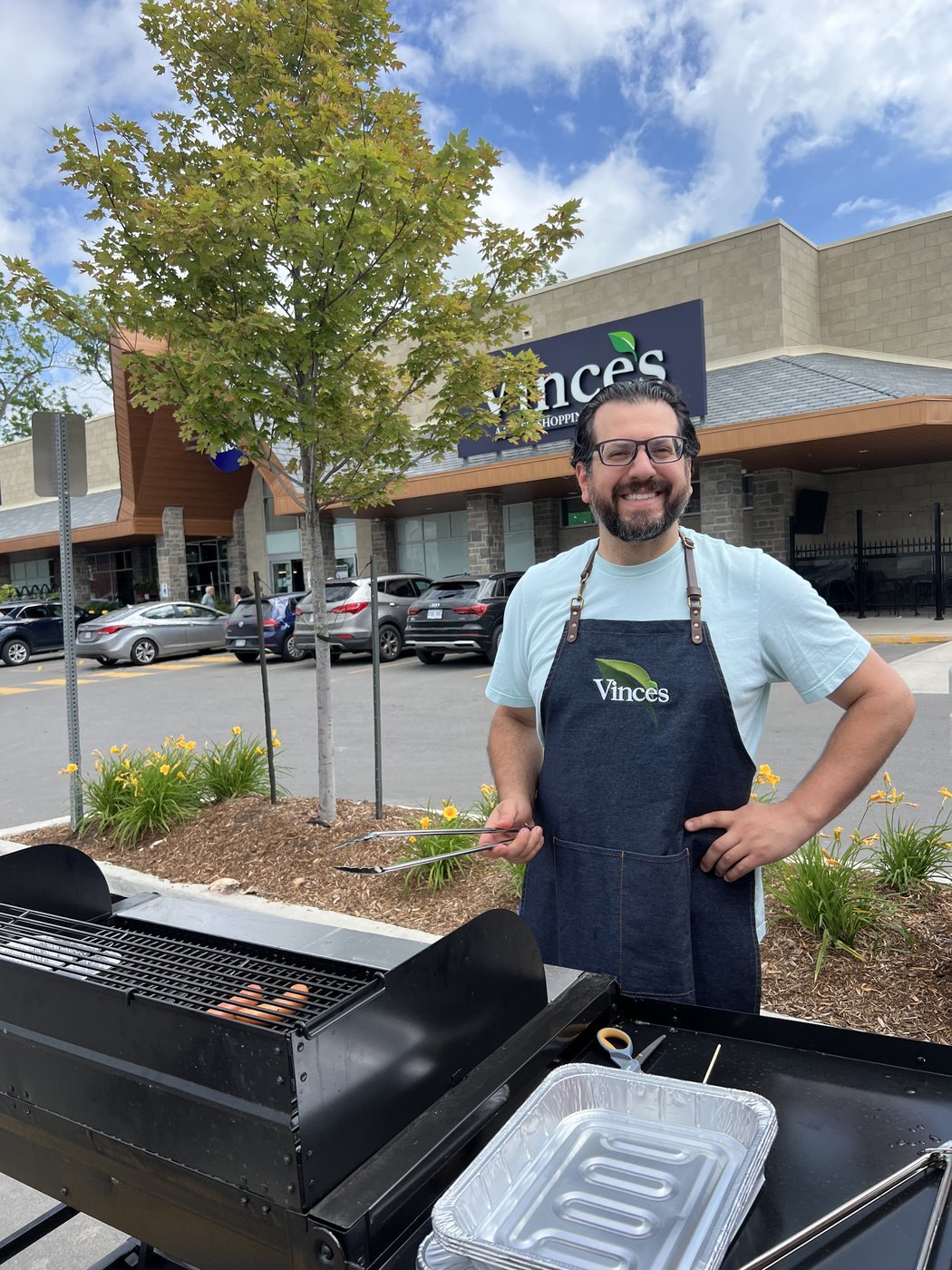
It was not an exorbitant amount; somewhere between $15 to $50 for a truckload, said Giancarlo Trimarchi, president of Vince’s Market, a family-owned grocery chain with four locations north of Toronto.
But that quickly adds up, he said.
“Smaller grocers like us often have smaller orders because we have smaller stores and smaller back rooms where we can’t hold a lot of stuff,” Trimarchi said.
“We usually try to order less, more often, to keep our shelves full … (which) becomes a larger proportional cost on the goods.”
Higher fuel prices have started to reflect in shipping costs after a large chunk of the global oil supply was choked off at the Strait of Hormuz as a result of the conflict in the Middle East. As the pressure continues, many economists are forecasting an uptick in grocery prices across the board.
While most grocers are bracing for another bout of food inflation, independent grocers expect an even higher bill on their wholesale deliveries as suppliers start charging more to offset fuel costs.
Many independent grocers have already started to receive notices from their suppliers about price increases or temporary surcharges, said Gary Sands, a senior vice-president at the Canadian Federation of Independent Grocers, which represents 6,900 independent grocers across the country.
Some suppliers are adding surcharges of 10 to 15 per cent on deliveries, while others are baking price increases into items, he said.
The impact on food prices depends on how far that food item has to travel, said Mike von Massow, a food economist at the University of Guelph.
Usually, he said, transportation represents about 3.5 to four per cent of the retail price of food, but it varies widely for individual items. For instance, the retail share of transporting fresh fruits and vegetables could range between 10 and 15 per cent, reflecting the cost of a long journey from parts of the United States or Mexico to stores in Canada, and shorter shelf lives.
While that’s a cost all grocers would bear, von Massow said shipping to independent stores can be more expensive because, like Vince’s Market, they tend to have more frequent deliveries of smaller loads.
Other factors, such as a truck idling in heavy traffic and burning fuel, or waiting to unload the shipment, also add to the cost of deliveries, von Massow added.
Sands said some independent grocers try to keep their costs low by doing things like picking up their own fresh produce from a wholesale market.
They are trying to stay agile, he said.
Vince’s Market picks up its fresh produce from a wholesale food market several times a week. Each round trip is roughly 100 kilometres, plus delivery stops at all its locations.
“We’re definitely seeing our cost of transportation internally rise, which of course puts pressure on our operating costs,” Trimarchi said. So far, the cost of gas has risen about 25 per cent month-to-month, he added.
The federal government’s 20-week pause on some fuel taxes, which kicks in on Monday, is expected to save consumers 10 cents per litre on regular gasoline and four cents per litre on diesel.
At a rural grocery store in Tignish, P.E.I., however, the troubles aren’t just limited to fuel surcharges and expensive groceries. They’re also facing delays in shipments as some truck operators weigh their profit margins for certain routes amid elevated gas prices.
“The last point of contact is the difficulty in finding carriers, and if it’s not a beneficial route that they can’t make a profit off delivering, then they would likely not take on that as a delivery option,” said Darren MacKinnon, general manager of the Tignish Co-operative Association Ltd.
The delays are anywhere from a couple of days to a week, he said.
While shipments eventually arrive, MacKinnon said the delays add costs to the business for missed sales opportunities and labour that’s mismatched with delivery timings.
Von Massow said independent grocers might see their already-narrow margins squeezed further as the current ceasefire in the war remains on shaky ground. Independent grocers usually operate on a margin of about two per cent. That’s lower than average large-scale grocery margins of 3.5 per cent, according to the Retail Council of Canada.
If independent grocers pass those costs on to consumers, it will make their prices less competitive, von Massow said.
But independent grocers have more flexibility to switch up their offerings, unlike large-scale chains that are expected to carry everything regardless of price, he said.
“They’ll buy what they can get the best deal on, and they’ll buy stuff that maybe needs less transportation costs,” von Massow said. “There might be ways to adapt.”
Even as cost pressures mount, both Vince’s Market and Tignish Co-op are taking a wait-and-see approach.
“For now, we’re absorbing the costs. We haven’t passed them through yet in any way,” Trimarchi said. But that could change by the end of this month, as shipping costs become clearer, he said.
There’s also a growing fear that if those higher costs are passed on, consumers might choose to shop elsewhere, he said.
“We have to be really calculated and we can’t just make rash decisions,” he said.
For the rural grocer in Tignish, losing consumers to other retailers is less of a concern.
“When you look at the scope of logistics, food to any banner of a retail store is going to be affected,” MacKinnon said. “I don’t have a direct fear that there will be any other retailer in any better position than we will be.”
This report by The Canadian Press was first published April 19, 2026.
Ritika Dubey, The Canadian Press


 dailynewsnblog