dailynewsnblog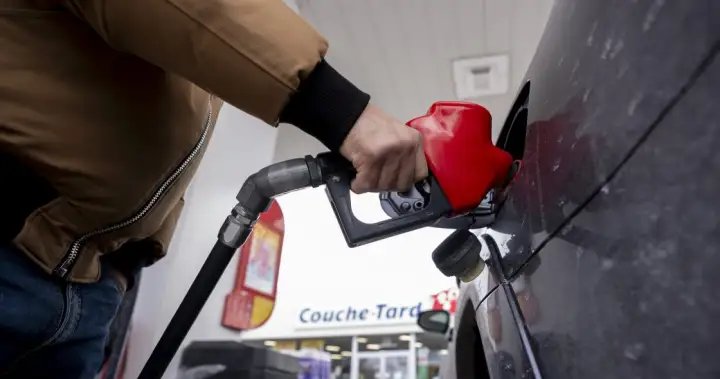
Demand for crude oil worldwide is expected to fall as higher gas prices amid the Iran war force many consumers and businesses to reduce their consumption, according to the International Energy Agency (IEA).

“Our forecast for global oil demand in the second half of 2026 is reduced by roughly 550 kb/d [thousand barrels per day] versus last month’s Report, as the continued closure of the Strait of Hormuz disrupts international supply chains and curtails product availability,” says the IEA in its latest oil market report, released Wednesday.
“Elevated fuel prices are putting further downward pressure on oil use.”
The price of crude oil is set worldwide based mostly on expectations for demand and supply. The price consumers pay for gas and diesel at pumps typically reflects changes in global oil prices.
If demand for oil and gas falls, prices often fall as a result.
Since the Iran war began, Canadians have paid higher gasoline prices at retail compared to before the war began because global oil supplies have been strained.
Related Videos

About a fifth of the world’s oil supply hasn’t been able to make it to markets because the narrow Strait of Hormuz shipping channel continues to see severe restrictions on cargo traffic for fear of attacks by Iran.

Get daily National news
Get daily Canada news delivered to your inbox so you’ll never miss the day’s top stories.
Negotiations have been tense between the U.S. and Iran since the conflict began, and a tentative peace agreement that saw most of the fighting briefly stop in June quickly unravelled.
Iran now says it will not allow any ships to pass through the strait until the U.S. meets its demands, including financial compensation for what it claims are damages from the war.
The price for U.S. crude oil, known as West Texas Intermediate, was hovering around US$81 as of publication, down from $83.50 on Wednesday, and up from $75 a week earlier.
Changes in consumer gas prices typically occur in the days after crude oil prices fluctuate.
CAA says the national average price for regular-grade gasoline in Canada is about $1.68 per litre as of Thursday, up from roughly $1.53 a week ago and nearly 35 cents higher than a year earlier.
The federal government temporarily paused the fuel excise tax in April, which brought some immediate relief to consumers, but that could change when the plan expires next month.
The longer gas prices remain above normal levels, the more consumers will feel financially strained.
“World oil demand is forecast to decline by 1.6 mb/d [million barrels per day] in 2026, 510 kb/d more than our estimate in last month’s Report, as the ongoing closure of the Strait of Hormuz and elevated fuel prices continue to weigh on oil consumption,” says the IEA.

This means that although gas prices are higher than they would be without the Iran war’s effect, if consumers and businesses can’t afford fuel at those prices, then that leads to a perceived drop in demand.
If demand falls, then prices typically do as well, but that’s only if there is enough supply available to meet that demand.
There may be enough oil to meet a drop in demand in the near-term, but with global supplies strained amid the conflict in the Middle East, things could change if demand increases.
“Global oil supply rose by 2.4 mb/d to 101.5 mb/d in July, but remained 6.3 mb/d below year-ago levels, with 8.3 mb/d of Gulf output still shut in,” says the IEA.
“After some brief respite in June, global observed oil inventories plunged by 69 mb, or 2.2 mb/d, in July, dragged lower almost entirely by a drop in oil on water.”
This also comes as the strategic U.S. stockpile of crude oil fell this week to the lowest level in more than 40 years.
“Risks remain substantial and the urgency of reopening the Strait has increased, as previously available inventory buffers are rapidly depleting.”
The IEA says that although global demand will drop for most of the second half of this year, demand is projected to increase by 2.4 mb/d in 2027.
© 2026 Global News, a division of Corus Entertainment Inc.