dailynewsnblog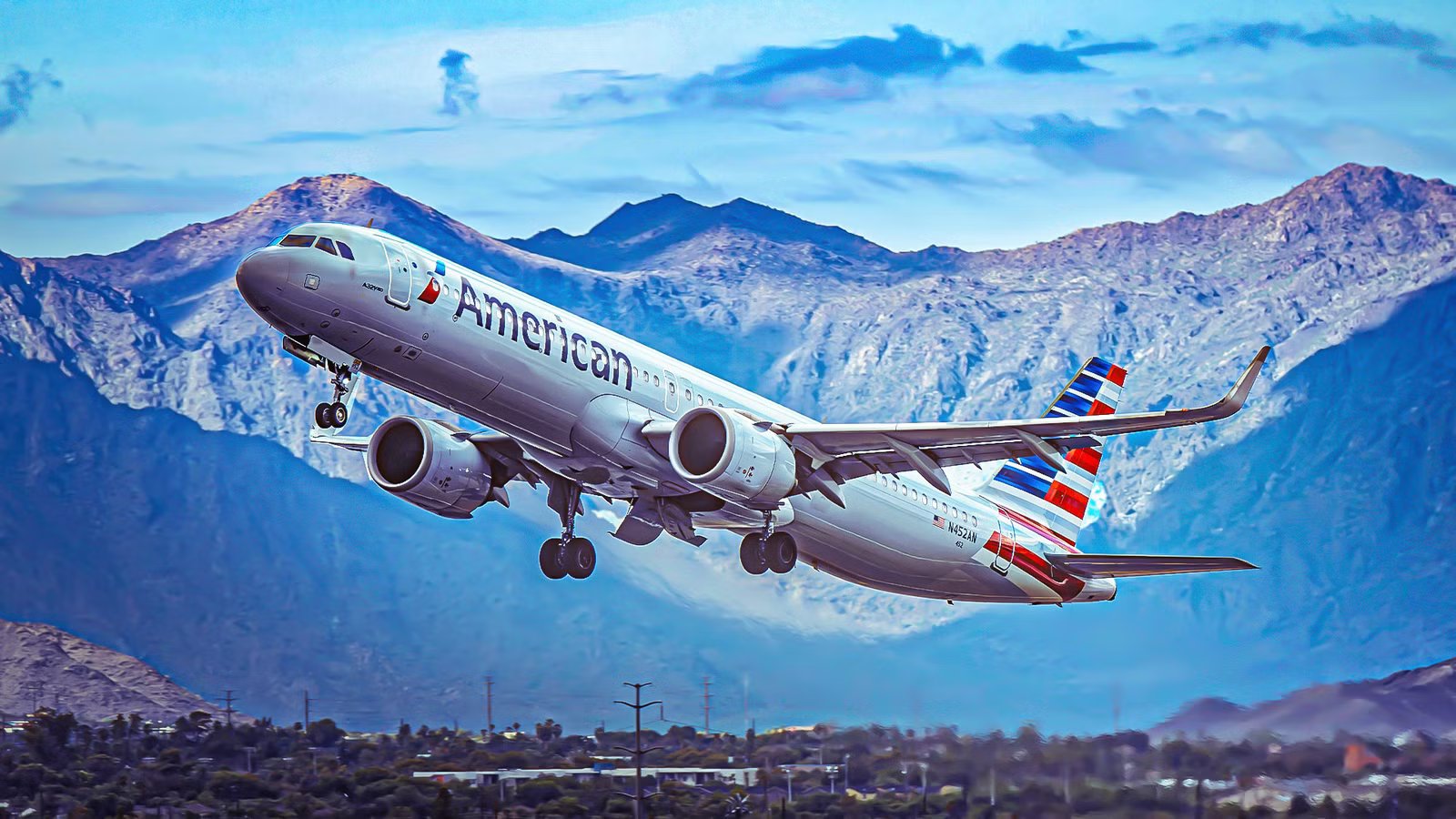
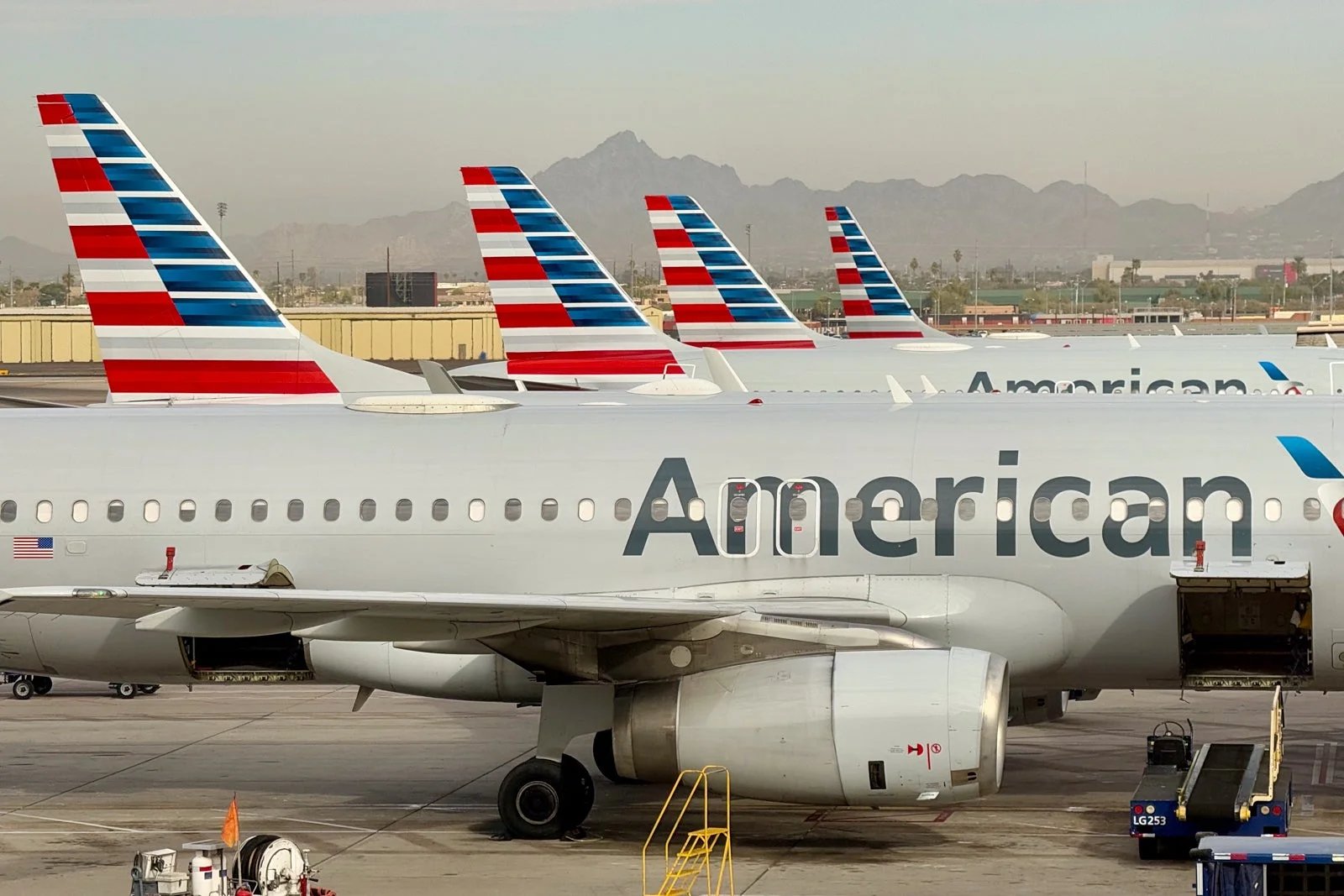
Fort Worth-based  American Airlines has issued an internal policy update for employees, which prohibits staff and passengers from bringing human-like and animal-like robots on board. They will be officially banned from being taken into the cabin, and even in checked luggage, immediately. The email that outlined the policy update strictly states that the humanoids will not be allowed even if they have purchased a separate seat.
American has outlined that the prohibition of robots includes those that are designed to resemble or imitate a human or an animal in its appearance, movement, or behavior. The update also explains that the robots are not qualified as emotional support devices, which is likely to close off that option as a loophole for bringing these onboard.
American Airlines Follows Other Major US Carriers

American follows several other major US carriers, with  Southwest Airlines,
  Delta Air Lines and
  United Airlines already outlawing the robots onboard. This comes after several humanoid and animal-like robots caused tensions between passengers. A key reason for the need to ban the robots is the hazards associated with the lithium-ion batteries that power the creatures.
Normal humanoid robots will be powered with batteries that have a capacity between 800 Wh and 2,500Wh. This creates a serious risk should the battery spontaneously combust, causing smoke, fire, or extreme heat onboard. While flight attendants can currently throw a smoking phone or tablet into a thermal containment bag, the size of a robot battery can pose severe logistical risk, especially if stored out of arm’s reach.
The Federal Aviation Administration recently advised that between March 3 and July 16, more than 756 verified aviation incidents have been recorded with lithium batteries and included smoke, fire, and extreme heat from e-cigarettes, cellphones, laptops, and other electronic devices. This number could easily escalate should humanoid robots continue to come onboard.
Baggage Restrictions And Regulations As Set Out By The FAA

As analyzed by Simple Flying’s sister publication, The Travel, the FAA has several specific packing regulations which limit the size and quantity for devices powered by lithium-ion batteries (such as robots), as detailed below in the size and power limits:
Type | Restriction | Limit |
|---|---|---|
Carry-on Baggage | The following must be packed in a carry-on bag:
|
|
Checked Baggage | Below are forbidden:
|
|
Devices With Built-In Batteries | Permitted if completely powered off or protected from accidental aviation
|
|
As previously mentioned, should there be an incident onboard that involves batteries, flight attendants can quickly isolate a small device in a thermal containment bag. The risk with humanoid robots is due to the potential size of the battery. Due to the robots’ movement and nature, it can also create logistical challenges such as shifting and jamming in the overhead lockers or becoming trapped in a fire.
Additionally, the robot could become disruptive and upsetting for passengers, which could add undue stress to those who may be nervous flyers or suffer from other anxiety-inducing mental illnesses.
Robots Are No Longer Welcome Onboard American Airlines

Several critics have argued that the robots pose a safety risk, and that service animals could be more disruptive than these machines. What makes this move unique is that even though airlines are already taking quick action to ban humanoid robots, they are also looking at AI-driven advancements that may power robots for mobility, medical assistance, and other tasks, which could see customer demand requiring them to lift the current robot ban.
Earlier this year, the owner of The Robot Studio in Dallas brought his robot Stewie onboard a flight between  Las Vegas Harry Reid International Airport (LAS) and Dallas Love Field (DAL) on Southwest Airlines. Aaron Mehdizadeh, who was the owner of Stewie, brought the humanoid its own seat, and quickly went viral as the details of the flight were shared on social media.
This saw the airline quickly update its own policy, abruptly ending the ability to bring any type of humanoid robot onboard. American has now followed suit to protect passengers and crew from the inherent risk that these robots pose.