dailynewsnblog
Open and respectful communication brings us together — it connects us to each other. Dialogue rooted in the principles of trust and respect for all parties — the principles that underpin First Nations negotiations with Ottawa — can also guide Albertans in these difficult discussions.
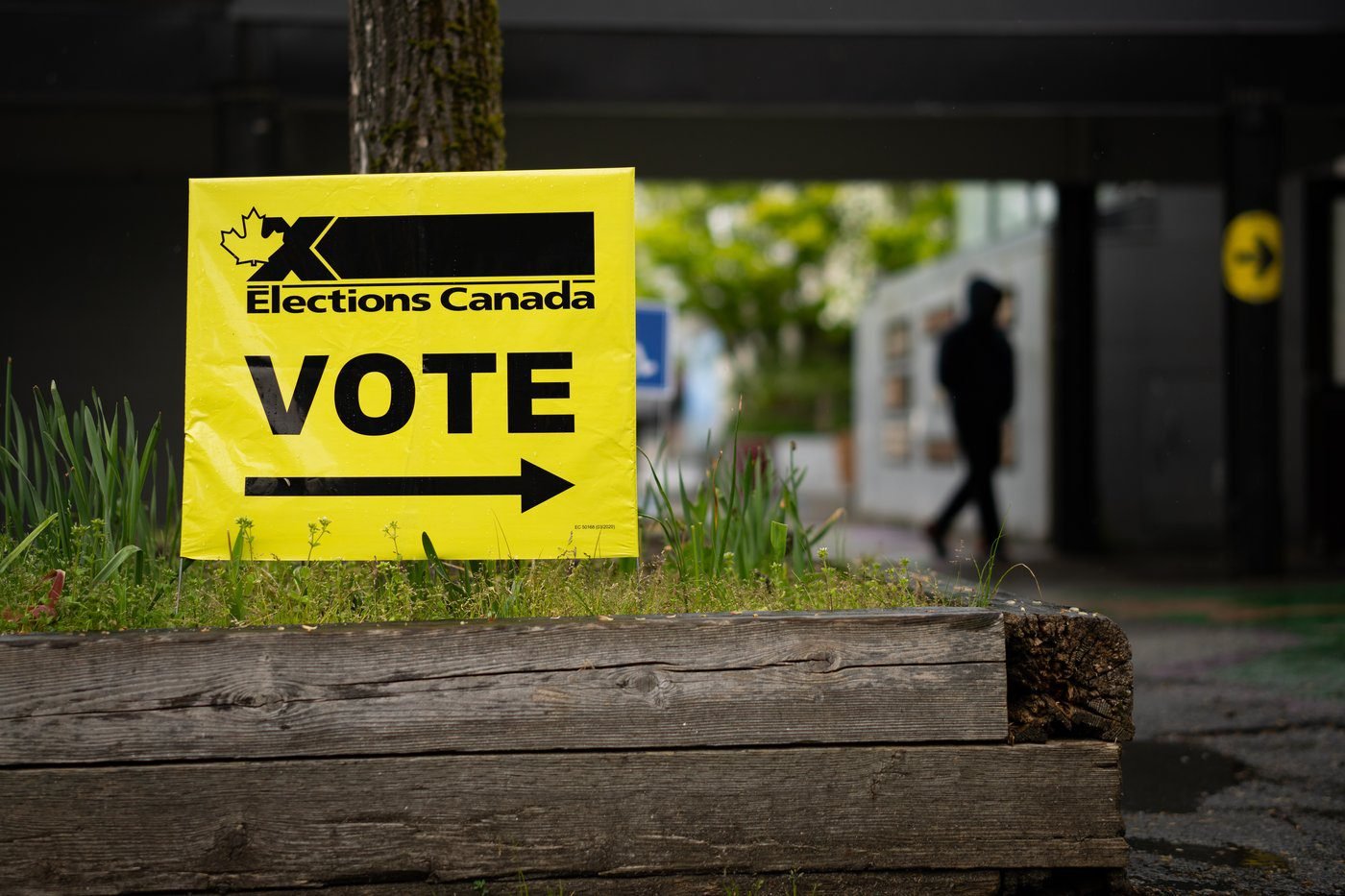
The warm weather signalling carefree summer days is finally here — but Albertans actually have a lot on their minds. For a good part of the season, they will be mulling over this October’s vote on whether to start the process for a provincial referendum on separating from Canada.
This “question about a question” follows a successful legal challenge led by the Athabasca Chipewyan First Nation and the Blackfoot Confederacy. To recap: Alberta Court of King’s Bench Justice Shaina Leonard ruled in favour of their challenge and against the constitutionality of Alberta’s Bill 54. Premier Smith then ordered the autumn plebiscite. A national unity debate is now happening in kitchens, backyards and workplaces across the province.
It’s a timely moment for that debate to get underway: in June, we mark both National Indigenous History Month and National Indigenous Peoples Day. As the leader of a First Nation on the banks of the Athabasca River, I believe it’s an appropriate backdrop. As Albertans consider whether to hold a binding referendum on separation, the principles that underpin Indigenous negotiations on Treaty rights will help guide the public debate.
The First Nations who challenged Bill 54, to their immense credit, successfully argued that lowering the signature threshold to launch a citizen-initiated referendum infringed on their constitutionally protected Treaty rights. Fort McKay First Nation stands strong with all First Nations on the side of respect and protection of Treaty rights. We do not support any intention for Alberta to separate from Canada, and we unequivocally affirm that Fort McKay First Nation is not subordinate to Alberta or to Canada.
Treaty rights are a cornerstone of all our identities, full stop. They are inherent to First Nations sovereignty, were negotiated with the Crown, and are foundational to our society. As long as the sun shines, rivers flow, and grass grows, the Treaties stand. National Chief of the Assembly of First Nations Cindy Woodhouse Nepinak reinforced that position on the world stage recently, at a meeting with King Charles at Buckingham Palace.
As Albertans prepare for the October vote, the same principles of mutual respect that guide our Treaty negotiations should help inform discussions about national unity. These principles, which include the recognition of mutual rights, respect, cooperation and partnership, have helped First Nations and governments successfully bridge our differences. They prove that even significant disagreements can be resolved when parties come to the negotiating table in good faith.
This summer, some backyard referendum debates over barbecued steak and burgers will inevitably get emotionally charged — there are strong feelings on all sides of the issue, after all. But it is important to note that, court proceedings aside, Alberta’s relations with Ottawa have transformed for the better. The tension and acrimony that clouded so much of the dialogue between Ottawa and Edmonton is clearing. Today, conversations are rooted in cooperation, partnership, and mutually beneficial results.
In her address following Justice Leonard’s ruling, Premier Smith spoke about this. Advancements on resource development and economic growth are underway. Barriers that stood for decades are being overcome. Open, respectful dialogue with Ottawa is giving Albertans a fresh opportunity to create an exciting vision for the future.
In that same address, Premier Smith also called on Albertans to use the power of hope and persuasion to build Alberta’s future and reject the language of division and demonization. Indigenous communities know all too well that the power of hope and persuasion — expressed through respect, dignity and commitment — is the best path forward.
Sometimes circumstances do require tough talk. Indigenous leaders are no strangers to fighting hard to ensure Treaties are enforced. My own Nation went to court, successfully, to protect our traditional lands at Moose Lake. But we’ve never walked away from the Treaty relationship. Instead, despite the historical challenges to our dignity, culture, and survival, we’ve taken the long view to negotiating a better future for our communities.
Today, even as we continue to work on challenging cultural and economic reconciliation, we actively engage and seek to bridge our differences. Now, because we focused on long-term opportunities instead of immediate frustrations, we have built productive partnerships and successful businesses in the energy industry that drives the Alberta economy. It’s allowed us to make progress on priorities that will shape a positive future for our members — a key example being the development of site 174C, which will be the first Indigenous-led oil sands development. Other Nations have marquee projects of their own that highlight the same point.
Principled negotiations, based on the recognition of mutual rights, respect, cooperation and partnership have helped to reform Alberta’s relationship with Ottawa. The benefits are clear: a new pipeline proposal is on track, resource development opportunities are growing, and national public opinion across Canada about the energy sector is turning.
Open and respectful communication brings us together — it connects us to each other. Dialogue rooted in the principles of trust and respect for all parties — the principles that underpin First Nations negotiations with Ottawa — can also guide Albertans in these difficult discussions.
Raymond Powder is the Chief of Fort McKay First Nation, in Northern Alberta.
The views, opinions and positions expressed by all iPolitics columnists and contributors are the author’s alone. They do not inherently or expressly reflect the views, opinions and/or positions of iPolitics.