dailynewsnblog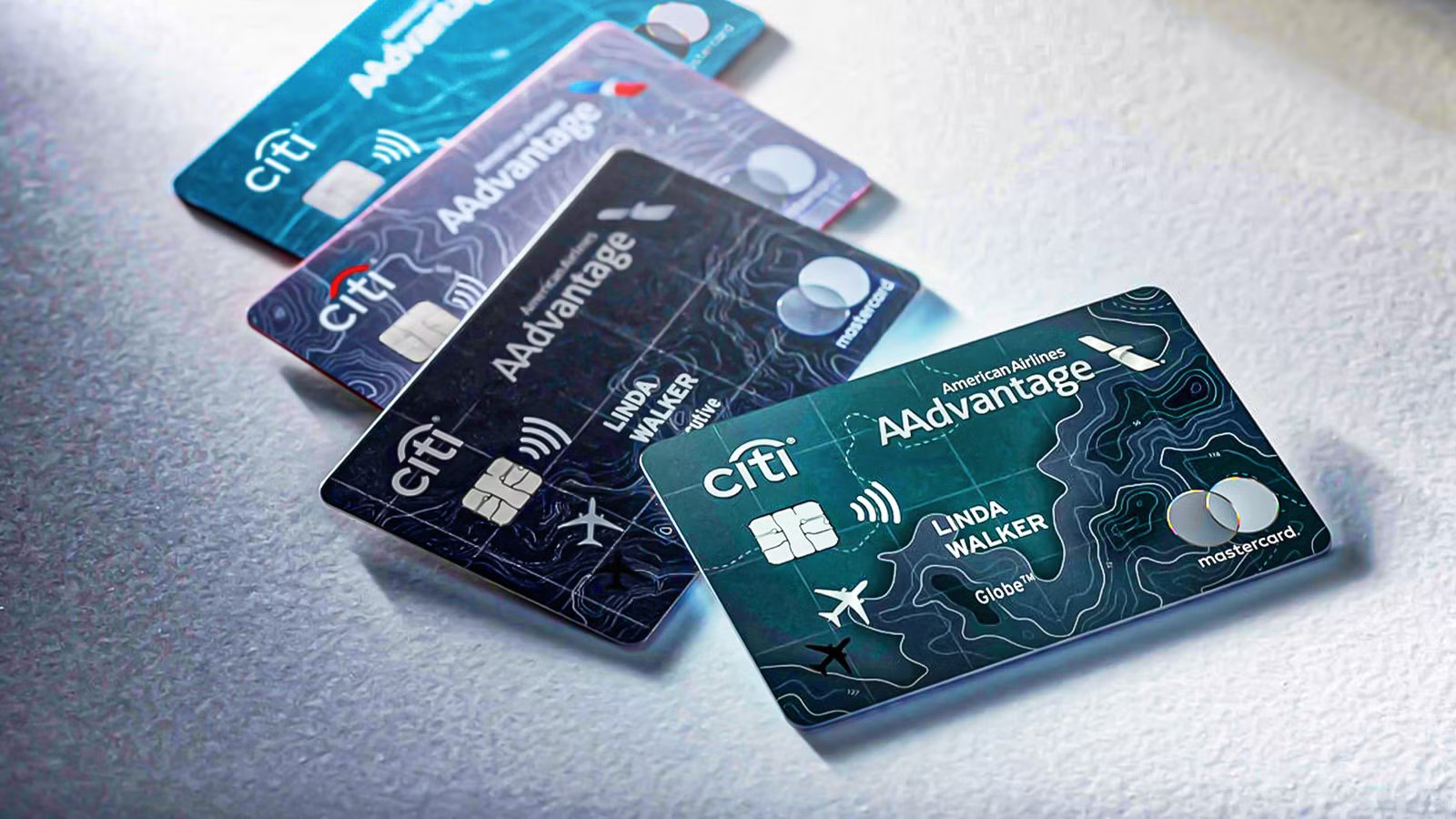
Airline loyalty points were originally something that one earned almost exclusively by logging flight miles. In 2026, this is no longer true, and for many people, this is the whole game. Some loyalty programs have shifted toward revenue, partners, and everyday spend, all while flight prices and award charts keep moving around. The result is that you can build a meaningful points balance without ever stepping onto a jet bridge, as long as one is capable of understanding where the airlines create points and how to avoid the kinds of traps that make travel expensive. At the end of the day, one does still want to seek out the best way to get free flights, so these kinds of programs can be helpful.
We break down the practical, repeatable ways to earn airline miles, starting with co-branded credit cards and welcome offers. This also introduces transferable bank points, shopping portals, dining programs, and hotel, car rental, and other kinds of rideshare partners. We also cover some lesser-known options, such as promotion stacking, surveying, and utility partnerships. The fine print here is also relevant, including earning caps, expiration rules, award availability, and when cash back beats miles. They think of this as a 2026 playbook for turning normal life purchases into another trip for free.
A Look At Airline Loyalty Programs As They Exist In The US Today

In the United States, airline loyalty programs are those run by airlines like  Delta Air Lines, American Airlines, United Airlines, Southwest Airlines, Alaska Airlines, and JetBlue. These kinds of points work both as currencies and for status ladders. Flying remains a large portion of airline loyalty points, but co-branded credit cards, shopping and dining portals, and partner spending all make a big impact today. Airlines also sell miles in large chunks to major credit card providers, and this is where carriers today continue generating a large amount of revenue.
Earnings are typically revenue-based, with points and elite credit tied to the overall number of dollars spent. Status is tracked with a combination of metrics, but some loyalty points earned from flying are often used to determine overall status. American Airlines uses this in the form of loyalty points, and United Airlines does the same thing with its Premium Qualifying Points and Premium Qualifying Flights.
Card spending, in some ways, is also a good way to help one progress. When it comes to redemption, dynamic award pricing is also extremely common. The number of points required can swing somewhat violently with demand for cash fares. This makes flexibility, watching out for flash sales, and comparing points to the cash price essential, all because points can be devalued like any currency. Increasingly, airline loyalty programs are not just a core element of the commercial air travel landscape, but also the consumer credit card market. Deals like Delta’s American Express SkyMiles partnership are some of the most lucrative for financial institutions.
How Can You Earn Miles Without Flying On Delta Air Lines?

On Delta Air Lines, it is both possible and relatively straightforward for loyal customers to build up their stashes of redeemable miles and elite status without stepping onto an aircraft. This is because the program is designed to heavily reward partner activity and credit card spending. On the miles side, the easiest levers are everyday spending on Delta Air Lines cobranded American Express cards, as well as opportunities to generate double miles through things like SkyMiles shopping, all because a purchase starts through the portal and then customers pay with their rewards cards. SkyMiles dining is also an option, which allows customers to earn money at participating restaurants.
For status qualification, Delta Air Lines’ key and unique qualification metric is Medallion Qualification Dollars (MQDs). Without flying, the main route is MQD earnings through eligible Delta SkyMiles American Express cards, and spending converts to MQDs, especially with higher-earning rates on the Reserve vs. the Platinum card. Eligible cardholders will also get an automatic MQD head start each status qualification year.
Finally, packaged trips through Delta Vacations (and the airline’s partners) can be a sneaky-powerful way to earn both redeemable miles and MQDs on parts of a trip that normally would not move your Medallion progress much, such as hotel purchases, car rentals, or other bundles. The key is booking through eligible channels and then watching for limited-time promotions, all because bonus miles can turn a normal getaway into meaningful status momentum even if you barely fly at all.

Earning Delta Air Lines’ Medallion Status: How Will It Be Different In 2025?
The SkyTeam Alliance carrier has eliminated the requirement of a certain number of qualifying miles and flights in favor of a spending-based system.
How Can You Earn Miles Without Flying On American Airlines?

Packaged trips and partner platform bookings are some of the quickest non-flight ways to move the needle when it comes to American Airlines because these bookings can earn both redeemable miles and the loyalty points that determine AAdvantage status. We can book a bundle through  American Airlines Vacations and, depending on the offer, one can see the overall eligible package spend, often including hotel and car components. This turns a normal getaway into real status momentum, even for those who never step onto an American Airlines flight.
This same logic applies to big-spending channels like AAdvantage Hotels and AAdvantage Cruises, where paid bookings can produce surprisingly large loyalty point totals. This is especially true when American runs limited-time bonuses or other kinds of multiplier promos. If one wants to travel for weddings, spring break, or family trips, shifting the booking channel can be the difference between a nice pile of miles and being meaningfully closer to gold or platinum status. Those who keep receipts, track posting dates, and screenshot promotions will be most likely to receive bonuses.
The move that most people miss is stacking, with purchases starting through AAdvantage eShopping or AAdvantage Dining, all before paying with an AAdvantage credit card to add another layer of miles. Just reading the fine print, because some bonus miles may not count as loyalty points, is also undoubtedly necessary.
What About United Airlines?

Finally, United Airlines has a large earn-from-the-ground ecosystem, which allows the carrier to build up redeemable miles without ever even boarding a flight. This also applies to earning elite status. For miles, the playbook is relatively simple, with passengers purchasing through United MileagePlus shopping, earning points right away. Passengers can also link a card to MileagePlus Dining for bonus miles at participating restaurants, and book paid stays through United Hotels. For in-store purchases, the MileagePlus X app also lets passengers purchase electronic gift cards and use them to earn miles immediately.’
Airline status is more difficult to earn, but definitely still doable. MileagePlus Premier status is primarily driven by Premier Qualifying Points (PQPs) in addition to just flights. The principal non-flying lever is eligible spending on Chase co-branded credit cards, and these cards can earn PQPs.
It is important to note that the annual PQP caps on these cards can vary quite significantly. In practice, customers should treat portals as mile accelerators and card-earned PQPs as a key portion of how they plan on qualifying for status. However, partner bonuses often do not create PQPs.

Top 5 Benefits That Come With Delta Diamond Medallion Status
There are quite a few benefits that come along with Medallion status.
How Exactly Do Airlines Make Money Off Loyalty Programs?

Most airlines today make serious money from loyalty programs because they are cash-generating marketing businesses, not just systems that just give out free flights. The biggest engine is undoubtedly selling miles and points to partners, especially banks that issue co-branded cards. Banks buy huge amounts of points in order to reward daily card spending, giving airlines a steady, upfront cash-flow system. Marketing fees and a share of interchange economics also come into play here.
Airlines then deliver this reward later, often at low marginal costs, by filling otherwise empty seats or booking partners at negotiated rates. They also profit from points that expire and go unused, change fees, and close-in booking fees where applicable. They also hold customer balances as a form of deferred revenue.
On top of this, loyalty data can also be exceptionally valuable. Airlines target promotions, steer customers towards higher-fare brands, and sell more kinds of ancillary services. All in all, airlines monetize everyday spending and complete travel later, most traditionally under terms that they themselves control.
What Is Our Bottom Line?

At the end of the day, airline loyalty programs are slowly becoming a multi-billion-dollar business. These programs allow airlines to generate massive amounts of revenue, all while requiring a fairly limited physical and technological investment to actually manage them.
The trickier part for airlines is how to make it easier for more and more people to earn elite status without degrading what status actually offers. This may seem concerning to those who are traditional frequent flyers. Now, you can certainly still earn status by traveling both extensively and repetitively.
However, spending heavily is also a good way to become an elite status member of pretty much any airline. What has changed in recent years is that you can now both earn miles and accrue status without traveling heavily or expensively.