dailynewsnblog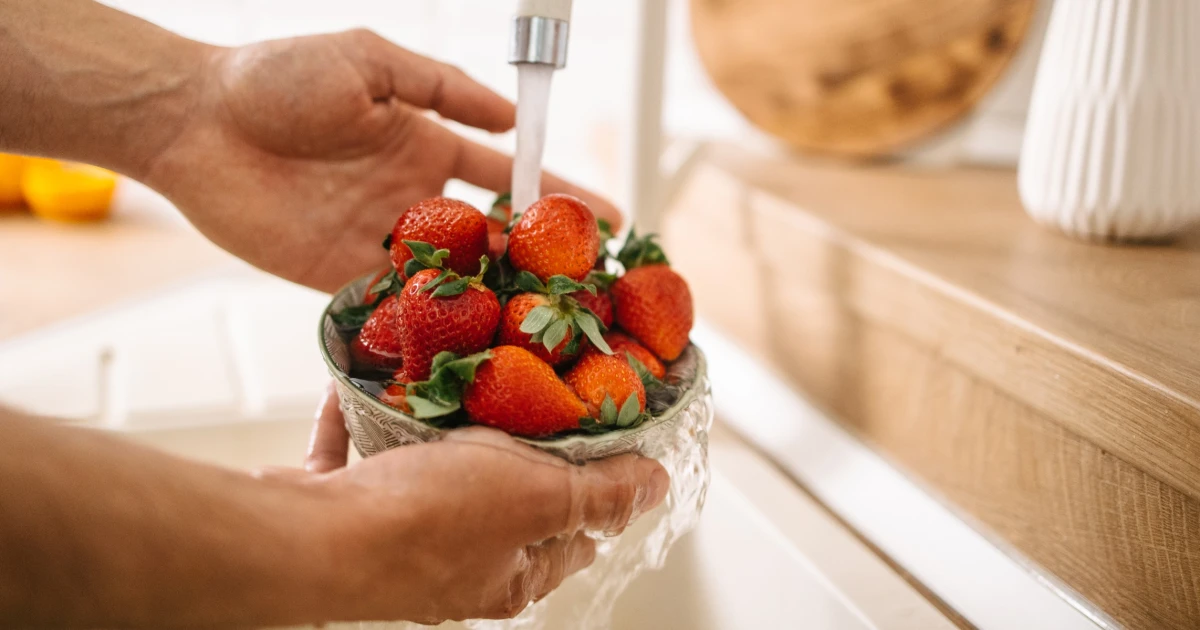
Strawberries are one of those fruits that you can almost always expect to be in abundance at your local grocery store. But as much as stores handle and process strawberries and other fresh produce, they still need to be thoroughly washed and cleaned when you bring them home. This is particularly important with cases of cyclosporiasis rising in the United States.
The illness, which is caused by a parasite (cyclospora) contracted from eating feces found on produce like lettuce, apples and, yes, strawberries, has severe symptoms including digestive issues like diarrhea.
To avoid the risk of cyclosporiasis and to extend the shelf life of strawberries, I spoke to experts, including microbiologists and culinary instructors, to find the best way to clean strawberries and the most effective products to help do it.
The best way to clean strawberries, according to experts
While contracting an illness from eating fruit is a serious matter, it doesn’t mean you have to cut out all fruit. Washing your produce properly can help you avoid issues and, as a bonus, make your fruit last longer. There are a few different cleaning methods you can adopt for strawberries, which I outline in detail below based on advice I received from experts.
- Sort through the unwashed strawberries and toss out any that are visibly bruised, spoiled or moldy.
- If you aren’t eating the strawberries right away or using them in a recipe, keep them in the ventilated container they came in or transfer them to a food storage container that’s specifically designed to keep produce fresh.
- When you’re ready to use or eat your strawberries, get a large glass bowl and a colander or fine-mesh sieve. Set the sieve or colander in the bowl and add the strawberries. Add one part distilled white vinegar to three parts cool water (for example: 1 cup vinegar and 3 cups tap water).
- Use your hands to move the strawberries around gently to get excess debris off and let them sit for up to a minute, but no longer, as this can alter their texture, according to Michael Handal, a culinary instructor at the Institute of Culinary Education. Remove the sieve from the bowl and let the water drain from the strawberries.
- Alternatively, if you don’t have a sieve or colander, fill the bowl with vinegar and water, let the strawberries sit and then drain the water from them.
- Transfer the strawberries to a large cutting board or baking sheet lined with paper towels. Spread them out evenly so they aren’t overlapping. Gently press another paper towel onto the strawberries and dry thoroughly. The dryer the better, since residual moisture will lead to them spoiling faster.
- To get them extra dry, transfer the strawberries to a salad spinner. Gently press the top pump at least a few times to spin the strawberries until they are completely dry. Store them in a ventilated food container in the refrigerator.
Top-rated products for washing strawberries
All of the products below have at least a four-star average rating from 500 reviews or more on Amazon.

This salad spinner isn’t just great for rinsing and drying lettuce leaves — it’s also great for drying off your rinsed strawberries. After putting them in a mix of water and distilled white vinegar, you can put them in this and spin them around to get the excess water off. Then, complete the drying process with a paper towel before adding them to a ventilated produce container.


I’ve used both water and a mix of water and distilled white vinegar to clean produce before, and both methods work great. What I love is that the white vinegar smell and taste doesn’t attach to the strawberries at all; it fades after rinsing and drying. This also applies to using vinegar for cleaning areas of my home, which is why I also like to use it to clean my kitchen and bathroom.

This fruit and vegetable wash is perfect for washing strawberries and all of your other fruits and vegetables, including leafy greens like lettuce. It’s made from a mix of water, glycerin, potassium hydroxide, citrus and seed oils and emulsifying acids like oleic and linoleic acids — together, these ingredients help get rid of wax coatings on produce that can harbor contaminants, according the to the brand. It doesn’t have any residual taste, according to the brand, and people who bought it say that it has a subtle smell but it’s very mild.

These food storage containers are made to keep produce like berries, leafy greens and vegetables fresh. They have removable inserts that, in addition to functioning as mini colanders, are ventilated, which help air circulate around the produce and keep it dry, which prevents fast spoiling. They also have lids that snap closed, also to help them stay fresh, according to the brand. This set comes with five dishwasher-safe containers, each increasing in size.
Do you have to wash strawberries and other fresh produce?
In short: Yes. This is because, even if they look clean on the surface, berries and other produce are susceptible to dirt, bacteria, fungi and other microbes, according to Handal. “Commercial produce may also carry trace amounts of chemicals and pesticides,” he says. “Washing fresh produce before consuming or preparing meals is imperative and washing methods will vary depending on the type and characteristics of the produce you are preparing.”
How does vinegar help in cleaning strawberries?
While cool water does a decent job of cleaning surface-level impurities, you can take things a step further by using a combination of water and distilled vinegar, according to Dr. Sharon Nachman, a professor of pediatric infectious diseases at Stony Brook University. “Vinegar is an acid,” she says. “And none of the bugs like acid and certainly bacteria don’t like acid.” The vinegar is what releases bugs and bacteria from the surface of the strawberries, she says.
Does vinegar kill cyclospora?
While vinegar doesn’t kill pathogens, bacteria and parasites such as ones related to cyclospora, it is very acidic, so it “will help dislodge bacteria and parasites from attachment to fruits and vegetables,” says Nachman. This is why experts recommend using it to clean produce along with running water to further remove debris.
Should you wash all of your strawberries at once or as you eat them?
It’s typically better to wash strawberries as you eat or prepare them compared to washing, drying and storing them all at once. That’s because washing them at once makes them more likely to spoil faster due to the buildup of moisture. “Strawberries should be stored, unwashed, in the plastic, clamshell-type containers they were purchased in,” says Handal. “An alternative would be storing them in a loose, plastic bag.”
While you can technically wash them all at once, it’s crucial to make sure you thoroughly dry them afterward and store them in a ventilated food container because excess moisture causes them to go bad faster. It’s also important to sort out visibly spoiled or bruised strawberries before putting them in the fridge, as this also contributes to the rest of the berries spoiling, according to Handal.
Meet our experts
At NBC Select, we work with experts who have specialized knowledge and authority based on relevant training and/or experience. We also take steps to ensure that all expert advice and recommendations are made independently and with no undisclosed financial conflicts of interest.
- Michael Handal is a chef and instructor at the Institute of Culinary Education in New York City.
- Dr. Sharon Nachman is a professor and the chief of the division of pediatric infectious diseases at Stony Brook University’s Renaissance School of Medicine.
Why trust NBC Selected?
I’m a commerce editor at NBC Selected, where I write about kitchen products and cleaning hacks, including topics like how to clean hardwood floors and how often you should change your towels. I also have prior experience with recipe editing and writing explainers on food storage and cleaning. I spoke with two experts for their guidance for this story.
Catch up on NBC Select’s in-depth coverage of personal finance, tech and tools, wellness and more, and follow us on Facebook, Instagram, Twitter and TikTok to stay up to date.