dailynewsnblog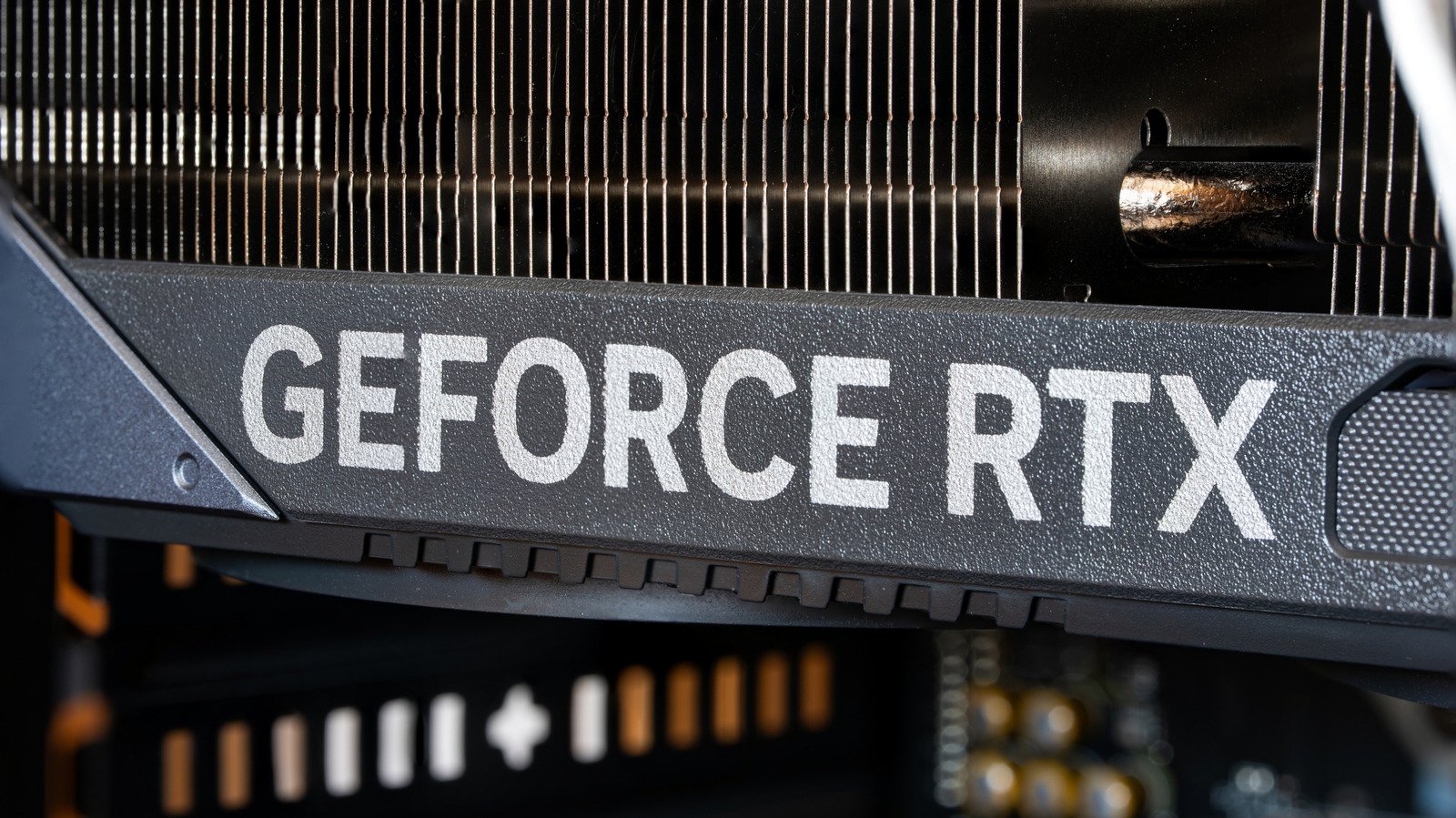
It’s probably worth buying a more expensive card now, rather than waiting.
Surging AI infrastructure demand has spent the year draining the world’s memory supply, leaving gamers behind and sticking those who want to upgrade their hardware with massive bills. Graphics cards are caught up in the same memory shortage that has pushed RAM and SSD prices through the roof, with AI data centers swallowing up capacity that would otherwise become GDDR.
Higher-capacity cards are taking the biggest hits, with AMD now reportedly charging board partners $10 more for every 8GB of VRAM on a card. With VRAM prices projected to keep climbing, you might wish to get a new card now and hold on for a while. If possible, you should aim for 16GB as the minimum to last the next five-or-so years and extend your upgrade window.
What a graphics card’s memory affects
NVIDIA sells the RTX 5060 Ti in 8GB and 16GB versions that share the same chip, core count and clock speeds. Tom’s Hardware tested both across 21 games and found the 8GB card 2.3 percent slower on average at 1080p medium settings, which grew to 12 percent at the ultra preset. It also found minimum frame rates were 16 percent lower, while ray-traced games fell even further behind. With all else equal, the shortfall comes down to memory capacity.
Testing by Hardware Unboxed found even bigger performance issues with The Last of Us Part II, which ran at 67 frames per second on the 8GB card at 1080p very high, compared with 109 on the 16GB version. It claims that Indiana Jones and the Great Circle, released in 2024, crashed at 1080p on ultra settings. When a game needs more memory than a card can offer, it starts swapping assets over the PCIe bus. That causes problems like stuttering, delayed or low-res textures and, sometimes, a game that won’t run at all.
The resolution you’re playing at is the main factor to consider with VRAM. 8GB is still enough for most games on 1080p at medium and high settings, including esports titles and older releases. Meanwhile, 12GB should be suitable for 1440p gaming in most cases, or will give you even more breathing room for high settings at 1080p. 16GB is the minimum for 4K and is the most future-proofed option currently.
PC Gamer ran some tests earlier this year and found that 8GB cards managed decent frame rates at 1080p while 16GB versions ran faster by a wider margin. It’s not until you’re cranking up the quality with options like ultra texture settings and ray tracing that performance issues begin cropping up.
Navigating unrelenting price increases
Naturally, card and memory manufacturers are doing their very best to cash in on the AI boom. Tom’s Hardware said last December that AMD raised the price of GPU-and-memory kits by $10 for every 8GB. This was followed by additional percentage-based price increases, with potentially more coming in the future.
As for memory makers like Samsung, SK hynix and Micron (which killed its Crucial gaming brand late last year), they make far more money selling high-bandwidth memory to AI data centers. There’s simply no incentive for them to sell GDDR6 and GDDR7 to graphics card makers, meaning 16GB budget cards are becoming harder to find at reasonable prices.
NVIDIA is at it, too. It slashed production of the 16GB RTX 5060 Ti and RTX 5070 Ti so it could prioritize 8GB models for mainstream GeForce supply, according to reporting by VideoCardz. Those cards obviously use half as much memory, so it can keep building them in volume and selling them at a somewhat reasonable price. It’s the same logic behind the changes to Valve’s Steam Deck lineup this year.
Current 8GB cards will be able to handle most titles at 1080p for a little while, but games will continue to be made for the growing number of people with more VRAM in their cards, and the settings you can run with 8GB will shrink each year. Conversely, the extra cost of 12GB or 16GB now should see you through at least the next five years — the RTX 3060, released in 2021, is still the most common GPU on Steam at 3.76 percent of systems. Now might be the right time to buy, with prices expected to continue rising.