dailynewsnblog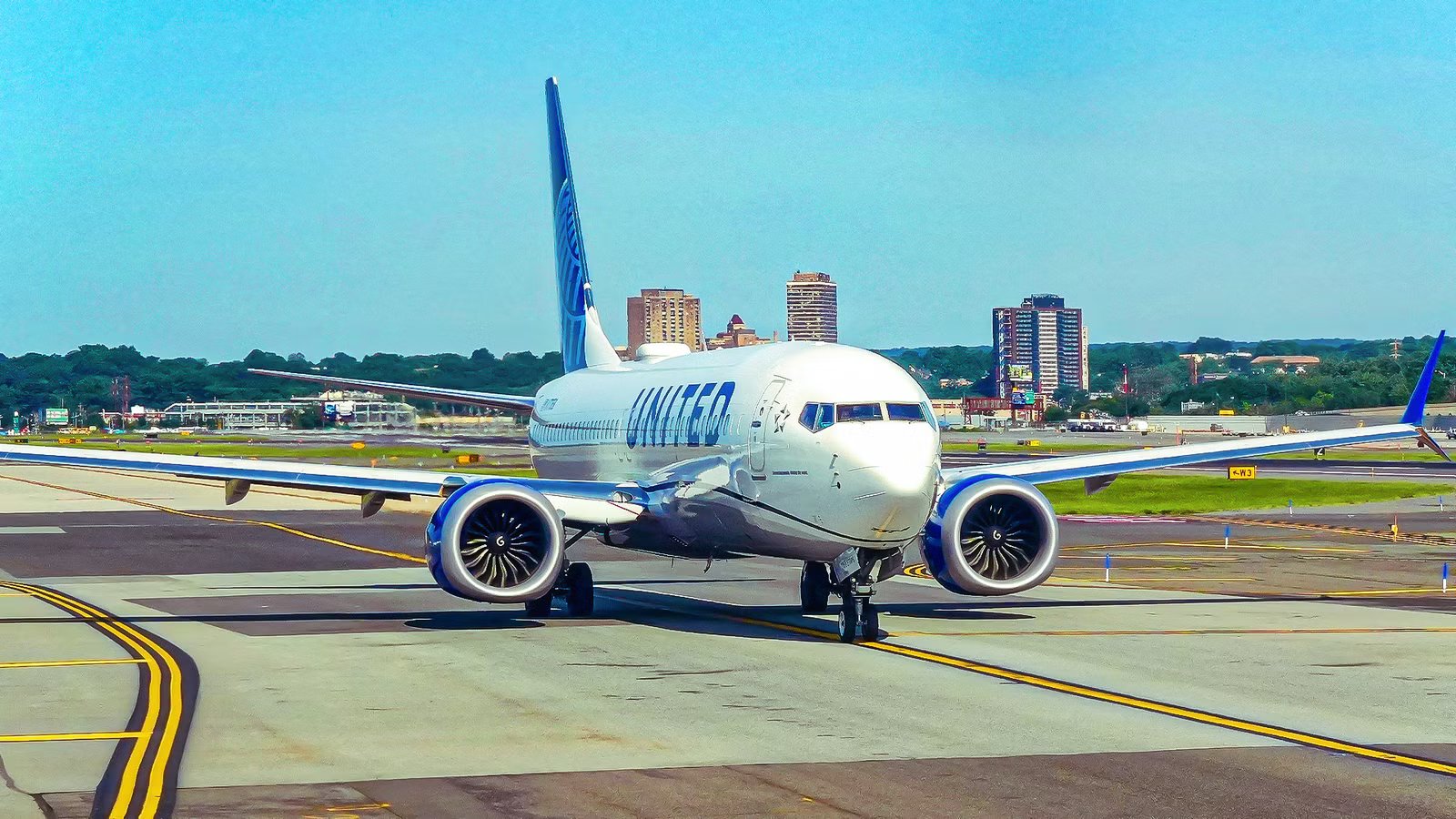
Airlines around the world are navigating complex network strategies and intense pilot recruitment demands, so the compensation attached to flying these advanced narrowbody airframes has become a focal point for flight crews, industry analysts, and prospective aviators alike. One of those aircraft types that more and more pilots are getting to fly is the Boeing 737 MAX, with many United States commercial carriers opting for the type. This comprehensive breakdown cuts through the complex matrix of hourly billing rates, monthly flight hour guarantees, and contractual benefits to deliver an authentic look at the true earning potential for  Boeing‘s newest narrowbody airliner.
The current wage environment reflects a historic era of labor leverage, catalyzed by multi-billion-dollar collective bargaining agreements ratified across legacy and major airlines over the last three years. Following landmark agreements like the Allied Pilots Association contract at  American Airlines, narrowbody flight crews have secured unprecedented compounding wage increases and enhanced retirement security. However, calculating true annual income involves analyzing more than just a base hourly rate, requiring a deep dive into how carriers structure compensation across different seniority tiers and operational networks.
Salaries Higher Than Ever

First Officers across major 737 MAX operators in the US command between $105,000 and $300,000 annually, though exact salaries vary. Captains see baseline earnings starting between $262,000 and $288,000, with top-tier line-holders scaling well past $450,000. These windows represent the highest baseline guarantees in domestic aviation history, reshaping the financial expectations of mainline flight crews entirely.
Hourly rates drive these totals rather than fixed annual salaries, meaning total compensation scales directly with longevity and monthly schedules. A first-year First Officer at  United Airlines starts at $116 per hour, quickly climbing as they progress through contract steps. Senior Captains on the narrowbody fleet see base rates climb past $360 per hour, demonstrating an exceptionally high income floor before accounting for overtime incentives or premium trip pick-ups.
Ten years ago, narrowbody pilots rarely crossed the $250,000 threshold without working exhaustive schedules that pushed regulatory flight time limits. The structural alignment of modern collective bargaining agreements has compressed the historical gap between narrowbody and widebody base pay, making the lines blur into one almost standard pay rate for all airline pilots, regardless of flight length. The evolution has turned the 737 MAX flight deck into a highly lucrative destination career in its own right, rather than a mere stepping stone to larger widebody twin-jets.
Pay By Weight

Seniority is the single most critical factor governing an aviator’s paycheck at US airlines, dictating everything from schedule quality to hourly pay steps. However, a key point that surprises many industry outsiders is that aircraft type does not automatically dictate premium pay. Flying a 737 MAX 8 pays identically to flying an older 737-800 or an Airbus A319 at legacy carriers because airlines group these airframes into a unified narrowbody pay category.
Total compensation hinges on the monthly block hour guarantee, which typically secures 75 to 85 hours of pay per month regardless of actual flight time. Pilots who bid premium open-time trips or fly international routes can bypass this floor significantly. Also, a minor premium exists with select carriers for operating the largest upcoming narrowbody variants, such as the 737 MAX 10 or the Airbus A321neo, which fall into a higher weight classification tier.
For instance, a mid-seniority First Officer holding a regular line schedule can increase their earnings by picking up dropped trips on their days off. These extra flights are often paid at a premium rate of 1.5 times or double the standard hourly scale, and so, an ambitious pilot can easily out-earn their baseline contract projections. As a result, the minimum monthly guarantee can easily turn into an elastic financial floor that flight crews can manipulate to suit their personal lifestyle preferences.

Why Long-Haul Pilots Are Paid More To Fly The Boeing 787 Than The 777 At US Carriers
United Airlines pays its 787 pilots more, while American 787 and 777 pilots earn the same basic salary.
Can You Really Earn Over $400,000?

The legacy airline market has achieved unprecedented structural parity due to aggressive contract patterning across major pilot unions.  Delta Air Lines set the initial benchmark with its post-pandemic contract, establishing a high compensation ceiling that rivals immediately raced to match, with the airline later offering a 31% salary increase. This pattern created a rising tide across the industry, which pushed United Airlines and American Airlines to implement matching step-ups across their respective narrowbody fleets to protect their crew retention metrics.
The real-world ceiling of these agreements became clear when an American Airlines 737 Captain publicly posted their full-year W-2 document, showing gross earnings of $457,894.51. This high-earning pilot, based out of Miami, capitalized on an hourly rate exceeding $360 combined with premium flight incentives and premium open-time pick-ups. It provided a transparent data point that proved to the industry that narrowbody captains can achieve historic widebody-level income without changing fleets or sacrificing their local seniority.
These massive pay adjustments have shifted how major airlines manage their crews and plan future scheduling flexibility. With non-elective retirement contributions infusing huge sums directly into pilot accounts independent of personal matching, the overall retirement security for narrowbody crews has reached an all-time high. Ultimately, long-term wealth accumulation alters the economic calculus of a career in the sky, making mainline narrowbody positions some of the most sought-after jobs in the global workforce.
Getting A Per Trip Pay

Mainline legacy compensation stands in stark contrast to the income profiles found at regional carriers or ultra-low-cost operators. Typically, a pilot flying a narrowbody jet performs identical operational duties regardless of the airline logo on the tail, but the actual financial delta between these pathways is vast. Aspiring aviators really should understand this point and weigh up the immediate scheduling benefits of smaller operators against the massive long-term earning power of the network giants.
Pilots looking for a pure-play Boeing 737 environment often target  Southwest Airlines, which bypasses the legacy widebody tier entirely to offer the highest narrowbody-only pay ceiling in United States aviation. Southwest operates a unique trip-for-pay (TFP) system rather than traditional block hours, compensating flight crews per segment flown. When adjusting this structure to match standard industry metrics using the 1.149 conversion factor, a senior Southwest Captain earns an hourly equivalent of roughly $347. This translates to a baseline salary of over $330,000 at the standard 900-hour annual guarantee, backed by an industry-leading 20% total employer retirement contribution. Conversely, entering the regional market means pilots will not fly the 737 MAX at all, as regional networks rely strictly on smaller regional jets.
The stark reality of this wage divide becomes unmistakable when comparing early-career earnings at major network carriers against mature salaries at smaller operators. A first-year Boeing 737 First Officer at American Airlines commands an hourly rate of $118.31, followed by an increase to $181.93 after one year, a baseline figure that exceeds what a Spirit Airlines Airbus A320 First Officer earns in their seventh year of service. It is an incredible disparity which emphasizes why landing a position at a legacy major airline remains the ultimate financial goal, proving that the employer classification matters far more than the physical complexity of the narrowbody airframe itself.
How Much Do Boeing 777 Pilots Make In 2026?
Here is how Boeing 777 pilots can easily earn six-figure salaries.
Aviation Is Never Stable

Despite the eye-catching headlines surrounding half-million-dollar W-2 documents, these high-earning levels are accompanied by structural caveats that introduce income volatility. Mainline pilot compensation is entirely dependent on maintaining an unblemished first-class medical certificate, meaning a sudden health issue can instantly ground an aviator and halt their hourly earning power. Many airlines do offer disability insurance frameworks to help provide a financial safety net, but long-term insurance protection rarely matches the active flight deck scales achieved by senior lineholders.
Earning potential also drops significantly for flight crews stuck on reserve duty rather than holding a regular monthly schedule line. Junior pilots frequently spend years on reserve, acting as on-call standbys who are restricted to the baseline minimum monthly guarantee. These reserve aviators lack the scheduling predictability required to pick up lucrative premium-pay open trips or maximize their monthly credit hours, resulting in actual earnings that sit much closer to the contractual floor than the highly publicized industry ceilings.
These compensation figures are easy to jump at and desire, but anyone who is considering a role in the flight deck must account for the cyclical vulnerability of the commercial aviation sector. Seniority numbers offer protection during steady economic periods, but sudden fleet reductions, route contractions, or corporate restructurings can cause rapid stagnation in career advancement. Aspiring aviators need to verify contract longevity and look beyond surface-level base rates to evaluate how historical economic shocks have altered real-world take-home pay before assuming that being an airline pilot guarantees a regular small fortune.
An Easy Route To A Fortune?

Ultimately, the question of how much Boeing 737 MAX pilots earn at US carriers finds its answer in a highly lucrative, seniority-driven ecosystem. First Officers establish a strong financial foundation in the low six-figure range, while seasoned Captains regularly command between $262,000 and well over $450,000 annually. These figures represent an unprecedented high-water mark for narrowbody compensation, driven by structural contract improvements that treat these efficient twin-jets as front-line network assets rather than a lower level than much larger types.
For those observing the industry or planning a professional aviation career, corporate stability and long-term benefit packages are just as critical as raw hourly wages. Finding a position that gives robust non-elective retirement contributions, such as the 20% package pioneered by Southwest Airlines, establishes generational wealth independent of stock market fluctuations or profit-sharing variables.
The compounding annual raises built into current labor agreements maintain that narrowbody pay will continue its upward march toward 2030. As larger, highly anticipated narrowbody variants like the 737 MAX 10 enter active service, they will likely introduce specialized premium pay tiers that push the narrowbody income ceiling even higher. Barring a catastrophic macroeconomic disruption, the financial reality of operating mainline narrowbody aircraft in the United States will remain one of the most rewarding career tracks in global transportation.