dailynewsnblog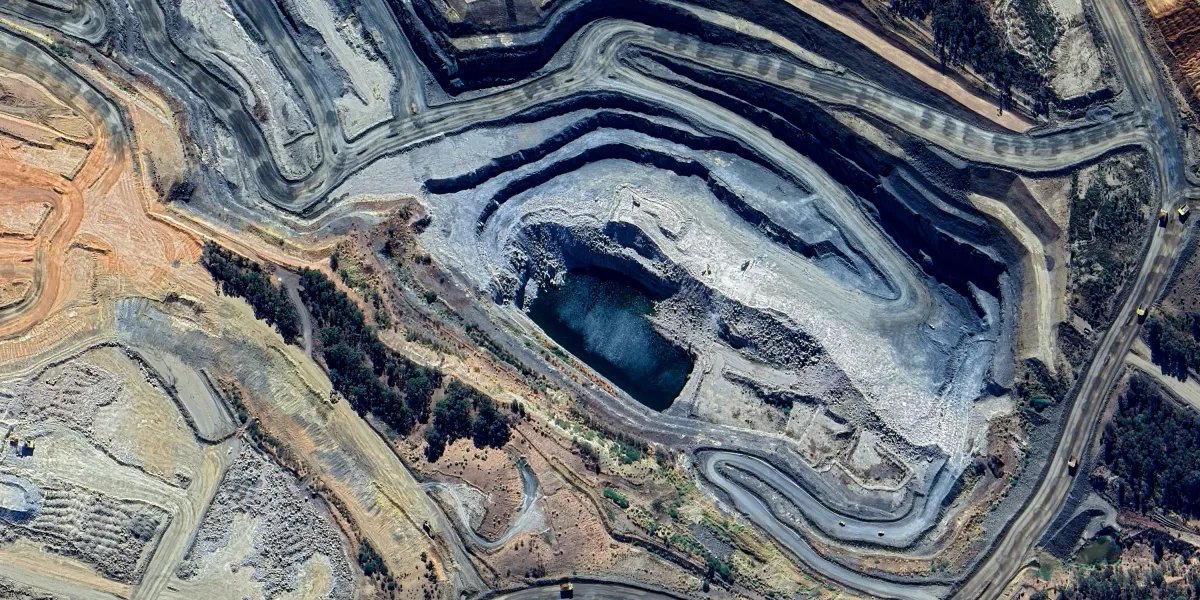
“At scale, we believe this will be the lowest-cost way of sourcing lithium in the world,” says Yet-Ming Chiang, one of the study authors, who is an MIT professor and a serial entrepreneur behind climate tech companies including Form Energy and Addis Energy.
The most economical way to get lithium currently is to extract it from brine, salty water that’s pulled the metal out of rock over the course of millennia. But this technique is geographically limited and currently requires vast tracts of land for massive evaporation pools. The more common tactic is hard-rock mining, where large bodies of ore are blasted apart, cooked at high temperatures, and processed using dangerous chemicals.
The researchers’ new method uses a weak acid to dissolve typically nonreactive silicate minerals. That frees not only the lithium but also other useful materials, including alumina and silica.
The origin story for this research, and the resulting company, came from another startup founded by Chiang, Sublime Systems, which makes cement using electrochemistry.
The team was trying to find a source of highly reactive silica in order to form stronger cement. One way to make reactive materials, which can bond easily with other materials, is to take a nonreactive material, dissolve it, and then allow it to become solid in a more reactive form. It’s not impossible to dissolve silicates, but the best-known way is to use hydrofluoric acid, an extremely dangerous chemical. Other fluorine-containing chemicals are candidates too, but some will produce hydrofluoric acid as a side product during reactions.
Chiang drew inspiration from a previous home renovation project involving glass, which is made of silica. “I was remodeling a shower in Framingham, Massachusetts, about 25 years ago,” he says. “So when we started this project, I remembered that glass etching cream and thought, ‘What’s in that?’”
The glass etching cream he remembered, which can be found on shelves at any craft or home improvement store, uses ammonium fluoride, a weak acid. And the MIT researchers discovered that in the right conditions, it can effectively dissolve silicate minerals without producing hydrofluoric acid in the process.
This chemistry could be useful for any silicate minerals—and there are a lot of them. But spodumene, the mineral that’s often mined for lithium, became a prime first target. (Chiang says a suggestion from Doug Wicks, one of the company’s advisors and a former ARPA-E official, pointed the team in spodumene’s direction.)