dailynewsnblog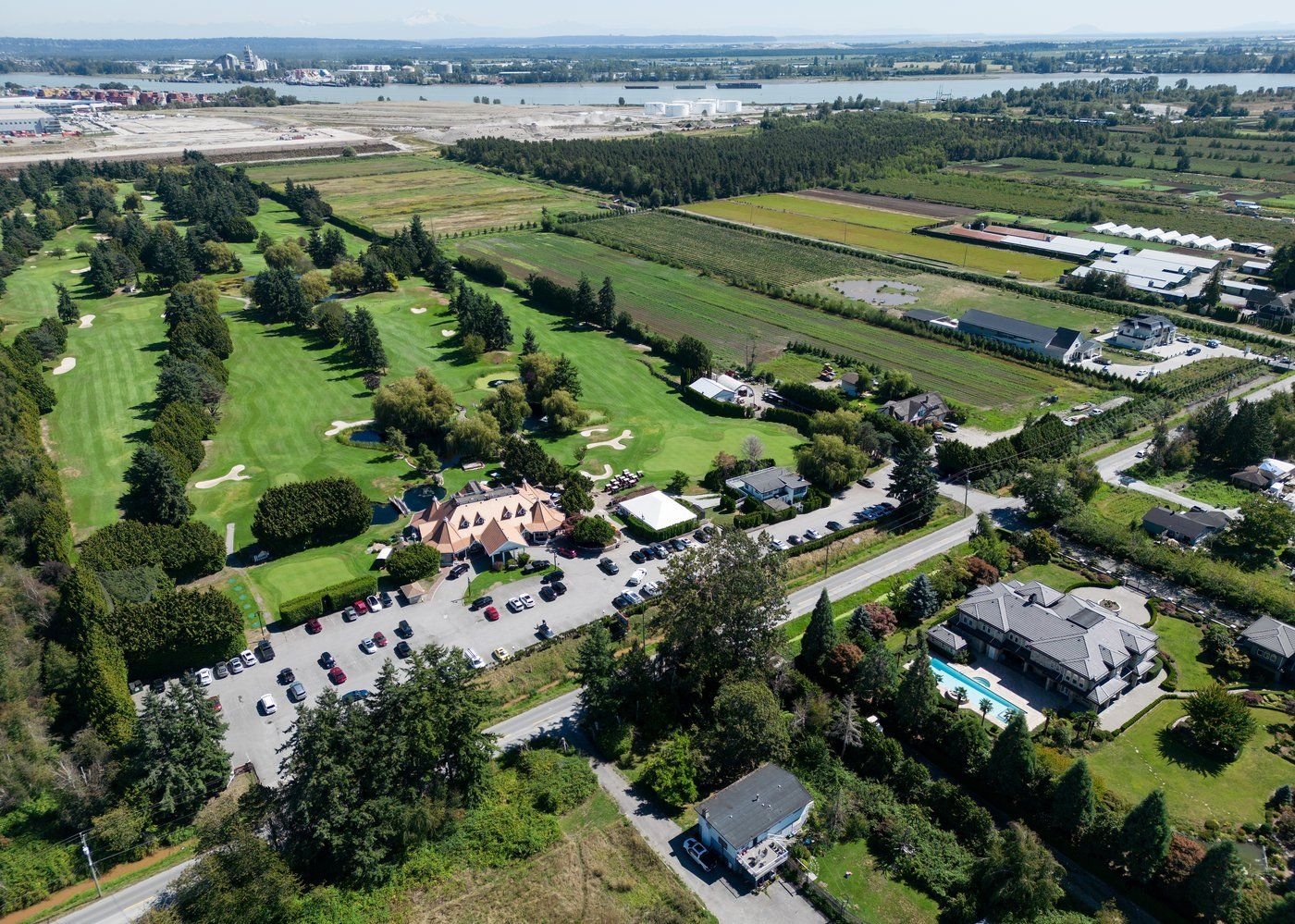
The refusal by Canada’s high court to hear a First Nation’s appeal against the decision in New Brunswick is in contrast to the landmark Cowichan ruling by B.C.’s Supreme Court that has cast doubt on the primacy of private property rights.
The Supreme Court of Canada has upheld a ruling that Aboriginal title cannot be declared over private land, in a decision the federal government says will have an impact on the Cowichan Tribes case in British Columbia.
The refusal by Canada’s high court to hear a First Nation’s appeal against the decision in New Brunswick is in contrast to the landmark Cowichan ruling by B.C.’s Supreme Court that has cast doubt on the primacy of private property rights.
The Crown-Indigenous Relations Department said the ruling would inform arguments in other cases, including Cowichan, adding that “private property rights are fundamental.”
In the New Brunswick decision, an Appeal Court judge said in December that a declaration of Aboriginal title over privately owned lands “would sound the death knell of reconciliation with the interests of non-Aboriginal Canadians.”
The Wolastoqey Nation had sought leave to appeal that ruling but it was denied by the Supreme Court of Canada on Thursday.
“Canada takes note of the Supreme Court’s decision not to hear the Wolastoqey case,” a spokesperson for Crown-Indigenous Relations Minister Rebecca Alty said.
“In the case, the courts found that Aboriginal title could not be declared over privately owned lands. This important New Brunswick Court of Appeal decision will inform arguments in other cases, such as the Cowichan case in British Columbia.”
The spokesperson said the federal government would always protect private property rights.
“As the appeals process for the Cowichan case proceeds, Canada will make all legally viable arguments to protect private property,” the spokesperson said.
“At the same time, we remain committed to advancing reconciliation and working with Indigenous partners to address claims in a way that respects and upholds their rights and preserves the certainty and stability of private property.”
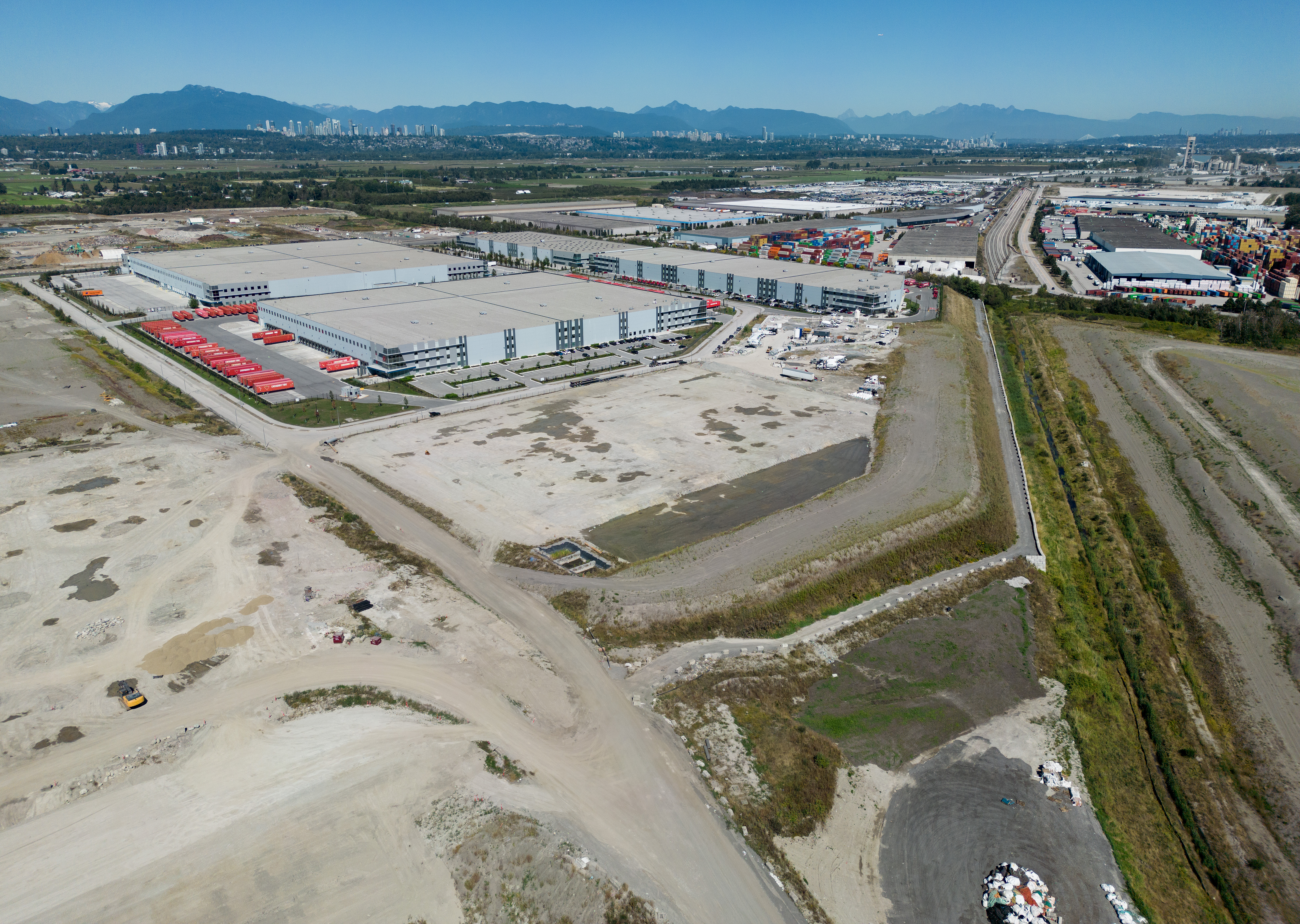
The federal and B.C. governments and other parties, including the City of Richmond, B.C., are appealing the Cowichan Tribes decision that ruled the First Nation holds Aboriginal title over a parcel of land on the Fraser River, including Crown, city and private property.
The judge in the case ruled last August that Aboriginal title was a “senior interest” compared with fee-simple title, and that sections of B.C.’s Land Title Act that establish fee-simple title as “indefeasible” do not apply to Aboriginal title.
The Cowichan ruling has led to concerns that it puts private property at risk, although the Cowichan Tribes have said they are not seeking to lay claim to private land.
Montrose Properties, the largest private land owner in the Cowichan title area, is separately seeking to reopen the case, saying it was unfairly omitted from the original trial.