Trending News:Inside Meta’s push to put robots to work in data centersRockstar confirms GTA 6 won’t have microtransactions or generative AI at launch787 Problems: Why Boeing Sent A Senior Executive Inside A Rolls-Royce FactoryFears of more flooding in Nepal, 100 Americans among the missing as rescue efforts step upDolly Parton Was Shaped by a Small Rural Church. They’re Fading Away.How to Escape Group Chat HellTransfer rumors, news: Liverpool in talks to sign Ismaïla SarrCanada Gazette – Part I, May 23, 2020, Vol. 154, No. 21Colorado River water cuts are coming to Arizona. What will happen to America’s salads?AeroPress Drops a Stainless-Steel Version of Its Iconic Immersion Coffee Maker, and I Tried ItMartin Scorsese’s Controversial 10/10 Psychological Thriller Is Officially Free on StreamingBohemian Dressing Is Back for Autumn—8 Trends To Get The LookJoint donor statement on protection concerns related to the upcoming Secondary School Examinations in SudanCounty Championship: Durham need six balls to complete Gloucestershire winNepal-Tibet flood death toll rises to 750, officials say, more than 3,000 missingWhy the Hottest New Wearables Want to Be IgnoredScott Stinson: Donald Trump gives Doug Ford the foil he desperately neededHow 9/11 transformed air security forever — even as some measures go by the waysideFable Dev Happy About Delay To 2027 To Avoid “Chaotic Window,” And We All Know That Means GTA 6Premier League Soccer: Stream Chelsea vs. Brighton Live from AnywhereAus vs SA – Kagiso Rabada races against time to be fit for Australia TestsCalifornia grape growers drowning in unsold product as wine demand fallsThe Gulf War Lesson That Explains Why America’s Guam Bomber Base Is So Vulnerable5 Strategic Fall Beauty Swaps to MakeCanada Gazette – Part I, May 30, 2020, Vol. 154, No. 22Apple’s big handoff and a jobs report: What to watch this weekThe Best Label Makers (2026): Brother, Niimbot, DymoFantasy football rankings 2026: Top sleepers by the model that nailed De’Von Achane’s impressive year4 Penny Coffins Preview: Among Us Meets Jack the RipperJoint Statement from the Tallinn Mechanism – Donors accumulate 200 million euros for Ukraine’s resilience in cyberspaceThe battle to build a global defence bankPilgrims to Flood-Stricken Nepal Sought the Divine at Sacred MountainRicharlison, Danso and Sarr ask to leave SpursA Fashion Editor’s Failproof Fall 2026 Shopping ListBox Art Brawl: Mega Man Zero 2 (GBA)Canada Gazette – Part I, June 5, 2020, Vol. 154, Extra Edition No. 4Scientists Create the Littlest Big Bang to Study the Universe’s Origins1 killed, 5 injured in Swiss shooting at rave, police sayIran’s Mojtaba Khamenei urges Gulf rulers in written message to confront ‘real enemy’Harrison Armstrong: Everton call off transfer to Nottingham Forest after fan backlashMinister Ng announces appointment of Alison Nankivell as new President and Chief executive officer of Export Development Canada“That is a lot of work”: Persona 4 Revival producer says there’s no plans for a Yosuke romance option, even if the team did think about it5 “Dated” Autumn 2026 Fashion Trends Chic People Are SkippingLast weekend of August brings storms across Utah, beyondCathie from Canada: Sunday Funday: Cartoons, Interesting Posts, Funny Posts, Getting Old(er), Carney Hat Trick, TrumpWatch, Animal Crackers plus the JaysCrow-Armstrong bolsters NL MVP case with 1st career 3-HR gamePeter Cullen, voice of Optimus Prime in The Transformers, dies aged 85Canada Gazette – Part I, June 6, 2020, Vol. 154, No. 23Napa County Winery Worker Charged With Starting Pickett Fire That Damaged Grape HarvestsCounty Championship: Durham need four runs to beat GloucestershireMary-Kate and Ashley Olsen Always Wear These Chic Autumn TrendsStatement on the imposition of arbitrary sanctions against Canadian individuals and entities by ChinaInvestors prosper and consumers pay as the Iran war exacts an uneven economic toll 6 months inCPL 2026 – Trinbago Knight Riders retire Dwayne Bravo’s No. 47 jerseyTotal War: Warhammer 40,000 is aiming to be the “definitive” game for the setting, and I think it might be exactly that‘No one is safe’: Inside a Maryland Haitian community grappling with ICE raidsI’ve Done the Research and These Are the 6 Autumn 2026 Fashion Trends for PetitesCanada Gazette – Part I, June 13, 2020, Vol. 154, No. 24Memphis vs. UNLV betting: Picks, odds, start time, prediction, best bets for college football Week 0Netflix Is About to Lose a 10/10 Sci-Fi Series That’s Perfect From Start to FinishIndiana police say a dog may have been used to conceal a murder weapon, but are they wrong?Statement by Minister Joly on Hong Kong arrest warrantsSantos FC confirm new deals for 7 players17 Key Trends to Know For Autumn/Winter 2026Canada Gazette – Part I, June 20, 2020, Vol. 154, No. 25Movie stars, timely documentaries and awards hopefuls convene at the Venice Film FestivalResonance: A Plague Tale Legacy Is Good If You Do The Necessary Homework BeforehandAzriel Blackman, Airline Mechanic for 80 Years, Dies at 100Itauma vs Hrgovic: British heavyweight given a hard lesson on the realities of world-level boxingGovernment of Canada honours victims of Flight PS752 and marks five years since tragedyThe Pokémon Company on PokémonXP’s Lottery System, Long Lines, and Limited Access to Workshops*Finding Emily*‘Real-life consequences’: Pennsylvania Gov. Shapiro, RFK Jr. spar over measles-associated deaths6 Autumn Nail Trends That Will Be Everywhere This SeasonCanada Gazette – Part I, June 27, 2020, Vol. 154, No. 26College football is back, and Bill Belichick’s UNC has ‘improved’84 Switch 1 & 2 Games To Check Out In Nintendo’s Blockbuster eShop Sale (US)Minister Joly to hold teleconference following visit to BelgiumHow drones are revolutionizing the search for lost petsEngland v Pakistan, Second Test, day three Lord’s – highlightsWatch: FlyArystan Airbus A320 Catches Fire At Almaty Airport During Maintenance6 Ways to Style A Suede Jacket Which Feel Fresh in Autumn 2026Part I, Volume 154, 2nd quarterly indexEurope’s central bankers fear more turbulence in testy U.S. relationsMortal Shell 2 gets its first major update, adding in extra beacons, useful new items, and making riposte damage scaling actually workCPL 2026, TKR vs JAK 20th Match Match Report, August 29, 2026Relative of Afghans Who Helped U.S. Military Is Deported to AfricaWhat You Should Look For In A USB To Bluetooth Adapter For PCMinister Ng meets Australian minister for trade and tourism Within 50 Feet: 2 Airlink E-Jets Only Just Clear Cape Town Stadium In Viral FlyoverChina fact of the dayEngadget Review Recap: Google’s Pixel 11 Series And More2026 NFL preseason rookie QB grades: Ty Simpson earns A, Fernando Mendoza gets DA native port of Donkey Kong 64 is finally playable on PC thanks to a team of programmers who boast that ‘no generative AI [was] used at any point in the process’6 Autumn/Winter 2026 Beauty Trend You’ll Want to WearCanada Gazette – Part I, July 4, 2020, Vol. 154, No. 27Olivia Rodrigo’s festival is uniting women and girls behind nonprofits promoting their well-beingBest Kristen Stewart Movies of All Time RankedMarine One loses communication with air traffic controllers againOpenAI Will Pull Its Models From Cursor Due To SpaceXAI Acquisition
Welcome to Daily News & Blog – your go-to source for the latest news, insightful blogs, and trending stories from around the world.
Who We Are
At Daily News & Blog, we are passionate about delivering accurate, timely, and engaging content across various categories, including world news, economy, technology, sports, gaming, travel, fashion, health, and more. Our goal is to keep you informed, inspired, and ahead of the trends.
What We Offer
✔ Breaking News & In-Depth Analysis – Stay updated with real-time updates and well-researched articles. ✔ Diverse Topics – Covering everything from global events to lifestyle, entertainment, and innovation. ✔ Engaging Blogs – Thought-provoking opinions and expert insights on trending subjects. ✔ Reliable Sources – We curate information from trusted news providers and industry experts.
Our Mission
We aim to be more than just another news website. Our mission is to create a platform where information meets authenticity, helping our readers navigate an ever-changing world with clarity and confidence.
Join Us
Follow us for daily updates and be part of a growing community that values knowledge and meaningful discussions.
📩 Have a story or feedback? Contact us at info@dailynewsnblog.com
Trending News:Inside Meta’s push to put robots to work in data centersRockstar confirms GTA 6 won’t have microtransactions or generative AI at launch787 Problems: Why Boeing Sent A Senior Executive Inside A Rolls-Royce FactoryFears of more flooding in Nepal, 100 Americans among the missing as rescue efforts step upDolly Parton Was Shaped by a Small Rural Church. They’re Fading Away.How to Escape Group Chat HellTransfer rumors, news: Liverpool in talks to sign Ismaïla SarrCanada Gazette – Part I, May 23, 2020, Vol. 154, No. 21Colorado River water cuts are coming to Arizona. What will happen to America’s salads?AeroPress Drops a Stainless-Steel Version of Its Iconic Immersion Coffee Maker, and I Tried ItMartin Scorsese’s Controversial 10/10 Psychological Thriller Is Officially Free on StreamingBohemian Dressing Is Back for Autumn—8 Trends To Get The LookJoint donor statement on protection concerns related to the upcoming Secondary School Examinations in SudanCounty Championship: Durham need six balls to complete Gloucestershire winNepal-Tibet flood death toll rises to 750, officials say, more than 3,000 missingWhy the Hottest New Wearables Want to Be IgnoredScott Stinson: Donald Trump gives Doug Ford the foil he desperately neededHow 9/11 transformed air security forever — even as some measures go by the waysideFable Dev Happy About Delay To 2027 To Avoid “Chaotic Window,” And We All Know That Means GTA 6Premier League Soccer: Stream Chelsea vs. Brighton Live from AnywhereAus vs SA – Kagiso Rabada races against time to be fit for Australia TestsCalifornia grape growers drowning in unsold product as wine demand fallsThe Gulf War Lesson That Explains Why America’s Guam Bomber Base Is So Vulnerable5 Strategic Fall Beauty Swaps to MakeCanada Gazette – Part I, May 30, 2020, Vol. 154, No. 22Apple’s big handoff and a jobs report: What to watch this weekThe Best Label Makers (2026): Brother, Niimbot, DymoFantasy football rankings 2026: Top sleepers by the model that nailed De’Von Achane’s impressive year4 Penny Coffins Preview: Among Us Meets Jack the RipperJoint Statement from the Tallinn Mechanism – Donors accumulate 200 million euros for Ukraine’s resilience in cyberspaceThe battle to build a global defence bankPilgrims to Flood-Stricken Nepal Sought the Divine at Sacred MountainRicharlison, Danso and Sarr ask to leave SpursA Fashion Editor’s Failproof Fall 2026 Shopping ListBox Art Brawl: Mega Man Zero 2 (GBA)Canada Gazette – Part I, June 5, 2020, Vol. 154, Extra Edition No. 4Scientists Create the Littlest Big Bang to Study the Universe’s Origins1 killed, 5 injured in Swiss shooting at rave, police sayIran’s Mojtaba Khamenei urges Gulf rulers in written message to confront ‘real enemy’Harrison Armstrong: Everton call off transfer to Nottingham Forest after fan backlashMinister Ng announces appointment of Alison Nankivell as new President and Chief executive officer of Export Development Canada“That is a lot of work”: Persona 4 Revival producer says there’s no plans for a Yosuke romance option, even if the team did think about it5 “Dated” Autumn 2026 Fashion Trends Chic People Are SkippingLast weekend of August brings storms across Utah, beyondCathie from Canada: Sunday Funday: Cartoons, Interesting Posts, Funny Posts, Getting Old(er), Carney Hat Trick, TrumpWatch, Animal Crackers plus the JaysCrow-Armstrong bolsters NL MVP case with 1st career 3-HR gamePeter Cullen, voice of Optimus Prime in The Transformers, dies aged 85Canada Gazette – Part I, June 6, 2020, Vol. 154, No. 23Napa County Winery Worker Charged With Starting Pickett Fire That Damaged Grape HarvestsCounty Championship: Durham need four runs to beat GloucestershireMary-Kate and Ashley Olsen Always Wear These Chic Autumn TrendsStatement on the imposition of arbitrary sanctions against Canadian individuals and entities by ChinaInvestors prosper and consumers pay as the Iran war exacts an uneven economic toll 6 months inCPL 2026 – Trinbago Knight Riders retire Dwayne Bravo’s No. 47 jerseyTotal War: Warhammer 40,000 is aiming to be the “definitive” game for the setting, and I think it might be exactly that‘No one is safe’: Inside a Maryland Haitian community grappling with ICE raidsI’ve Done the Research and These Are the 6 Autumn 2026 Fashion Trends for PetitesCanada Gazette – Part I, June 13, 2020, Vol. 154, No. 24Memphis vs. UNLV betting: Picks, odds, start time, prediction, best bets for college football Week 0Netflix Is About to Lose a 10/10 Sci-Fi Series That’s Perfect From Start to FinishIndiana police say a dog may have been used to conceal a murder weapon, but are they wrong?Statement by Minister Joly on Hong Kong arrest warrantsSantos FC confirm new deals for 7 players17 Key Trends to Know For Autumn/Winter 2026Canada Gazette – Part I, June 20, 2020, Vol. 154, No. 25Movie stars, timely documentaries and awards hopefuls convene at the Venice Film FestivalResonance: A Plague Tale Legacy Is Good If You Do The Necessary Homework BeforehandAzriel Blackman, Airline Mechanic for 80 Years, Dies at 100Itauma vs Hrgovic: British heavyweight given a hard lesson on the realities of world-level boxingGovernment of Canada honours victims of Flight PS752 and marks five years since tragedyThe Pokémon Company on PokémonXP’s Lottery System, Long Lines, and Limited Access to Workshops*Finding Emily*‘Real-life consequences’: Pennsylvania Gov. Shapiro, RFK Jr. spar over measles-associated deaths6 Autumn Nail Trends That Will Be Everywhere This SeasonCanada Gazette – Part I, June 27, 2020, Vol. 154, No. 26College football is back, and Bill Belichick’s UNC has ‘improved’84 Switch 1 & 2 Games To Check Out In Nintendo’s Blockbuster eShop Sale (US)Minister Joly to hold teleconference following visit to BelgiumHow drones are revolutionizing the search for lost petsEngland v Pakistan, Second Test, day three Lord’s – highlightsWatch: FlyArystan Airbus A320 Catches Fire At Almaty Airport During Maintenance6 Ways to Style A Suede Jacket Which Feel Fresh in Autumn 2026Part I, Volume 154, 2nd quarterly indexEurope’s central bankers fear more turbulence in testy U.S. relationsMortal Shell 2 gets its first major update, adding in extra beacons, useful new items, and making riposte damage scaling actually workCPL 2026, TKR vs JAK 20th Match Match Report, August 29, 2026Relative of Afghans Who Helped U.S. Military Is Deported to AfricaWhat You Should Look For In A USB To Bluetooth Adapter For PCMinister Ng meets Australian minister for trade and tourism Within 50 Feet: 2 Airlink E-Jets Only Just Clear Cape Town Stadium In Viral FlyoverChina fact of the dayEngadget Review Recap: Google’s Pixel 11 Series And More2026 NFL preseason rookie QB grades: Ty Simpson earns A, Fernando Mendoza gets DA native port of Donkey Kong 64 is finally playable on PC thanks to a team of programmers who boast that ‘no generative AI [was] used at any point in the process’6 Autumn/Winter 2026 Beauty Trend You’ll Want to WearCanada Gazette – Part I, July 4, 2020, Vol. 154, No. 27Olivia Rodrigo’s festival is uniting women and girls behind nonprofits promoting their well-beingBest Kristen Stewart Movies of All Time RankedMarine One loses communication with air traffic controllers againOpenAI Will Pull Its Models From Cursor Due To SpaceXAI Acquisition
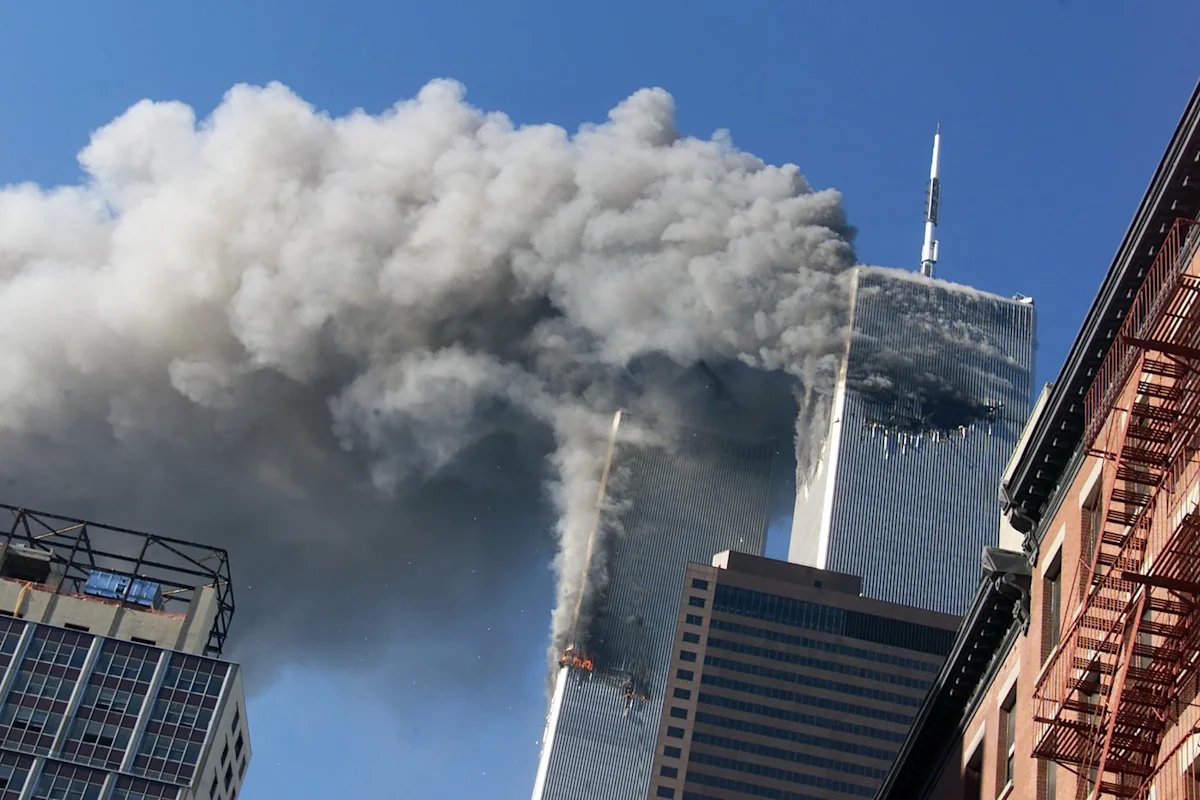
Smoke rises from the burning twin towers of the World Trade Center after hijacked planes crashed into the towers, Sept. 11, 2001, in New York. THE CANADIAN PRESS/AP-Richard Drew – The Canadian Press
About a week after the 9/11 attacks, Jeff Price found a flight back to Colorado from Hawaii, where he’d been attending a conference when North American airspace abruptly closed following the worst terror strike in American history.
“The pilot came over the intercom and said, ‘We’re going to get you home safely, and I want to see if I can count on you so if anything happens … you’ll help us out,'” Price recalled.
“That was kind of a shock.”
The request for help in case of hijacking drove home what the aviation security expert already knew: the travel security landscape had, overnight, shifted drastically and irrevocably.
In the days and years that followed, the sleepy screening processes previously in place at North American airports and airlines morphed into a gauntlet of checkpoints and protocols, triggering a permanent shift in how travellers fly and Canadian authorities approach security in the skies.
Nearly 25 years ago, 19 al-Qaida-affiliated hijackers strolled through metal detectors at U.S. airports armed with knives and mace before commandeering four commercial jetliners. They flew two of them into the twin towers of the World Trade Center, a third into the Pentagon and another into a field in Pennsylvania, killing almost 3,000 people.
Before Sept. 11, passengers on domestic flights could pass through a cursory security screening and reach the gate without brandishing a boarding pass or identification. They could often board without showing ID at all.
A Canadian Air Transport Security Authority employee screens a suitcase during a demonstration of a new CT X-ray machine at the Vancouver International Airport in Richmond B.C., on Wednesday, Sept. 18, 2024. THE CANADIAN PRESS/Ethan Cairns
“Before 9/11, travel was fun,” said Price, a professor at the Metropolitan State University of Denver and former assistant security director at the city’s airport.
“It was an exciting adventure to go on a plane. You went to the airport, the checkpoint was a minor inconvenience — not a major part of the trip — and you could walk to the gate with your loved ones, your friends,” he said.
“The whole process itself was relatively seamless.”
But there were drawbacks as well, including a relatively lax approach to traveller screening across the continent.
“You often had minimum wage employees with varying degrees of training,” said Margaret Bloodworth, who was Canada’s deputy minister of transport in 2001. “It was a very mixed bag as to what you had at every airport.”
Airlines in Canada and the U.S. at the time were responsible for passenger screening, often contracting the job to security firms who served the carriers’ goal of providing a pleasant, hassle-free experience.
Now, agents employed by the Canadian Air Transport Security Authority — created in April 2002 — handle the job. The Crown corporation outsources to private firms such as GardaWorld and Paladin, but they operate under a standardized national security and training regime.
In the years after 2001, more rigorous security checks came into force that called for shoes off, laptops out and liquids limited to 100 millilitres, plus a ban on small knives — blades of up to 10 centimetres had previously been allowed. On board, the metal utensils vanished.
“Lines started getting longer as it took screeners longer to look at bags,” said Price.
People line up before entering the security at Pearson International Airport in Toronto on Friday, Aug. 5, 2022. THE CANADIAN PRESS/Nathan Denette
Airlines also had to adjust, installing reinforced cockpit doors by April 2003 and barring visits to the flight deck. Employees were subject to more random screening and flight attendants were trained in emergency code words and how to spot suspicious items. Air cargo security ramped up and American air marshals and their RCMP counterparts blended with regular passengers to watch for fishy behaviour on board.
“The biggest change that occurred after 9/11 was all those safety measures,” said Benoit Gauthier, a pilot with Air Canada for 37 years before he retired in 2010.
In the initial weeks, the uncertainty and absence of formalized procedures pushed some security officials to the brink of paranoia.
“I remember one of my colleagues had his shaving razor taken away from him at security in Vancouver or Calgary,” Gauthier recalled.
“‘Jesus, do you know what we have in the cockpit?’ the colleague asked the screening officer. ‘We have a great big fire axe.’ And then the (officer) really panicked. He called the RCMP.”
More recently, some of the more intrusive aspects of screening have been scaled back, thanks largely to technology.
Footwear removal at Canadian airports became less common in 2009 after ramping up three years earlier in line with a mandatory U.S. shoes-off policy, which followed a failed shoe bombing attempt on an American Airlines flight in December 2001. U.S. authorities scrapped the requirement last year, though security officers in both countries have the discretion to demand it.
CT X-ray scanners now operate in 10 Canadian airports, from Halifax to Vancouver. The tubular machines provide detailed 3D images of baggage and, by measuring their chemical composition, sniff out explosives. Passengers in those lines can often avoid pulling out their laptops and liquids.
However, the multiple checks of tickets and IDs remain, as do time-consuming lines at peak travel times.
“I remember days where I’d show up at the airport 15 minutes prior to departure and still make the flight,” said John Gradek, who teaches aviation management at McGill University.
“Now it’s no longer the case. Don’t even try it in under two hours.”
Biometrics have made trips more seamless in recent years, but also raised privacy and ethics concerns.
Air Canada rolled out facial recognition technology at the gate in December 2024, making it the first Canadian airline to deploy the software in a bid to streamline the boarding process.
Customers who board some domestic Air Canada flights at the Vancouver airport and Toronto’s Pearson can walk onto the plane without presenting any physical pieces of identification, such as a passport or driver’s licence.
U.S. Customs and Border Protection also relies on the technology during preclearance in Canadian airports for select cross-border flights.
Worries about the software, which analyzes the unique physical identifiers of a passenger’s face, revolve partly around how the systems are trained and what happens when they fail to recognize travellers.
“It’s also privacy and control of this data. Who gets to see the data? Will it be eliminated? How is the data flow going to be managed?” asked Gradek.
“It’s the latest stage in a series of security changes that all really started on 9/11.”
This report by The Canadian Press was first published Aug. 30, 2026.
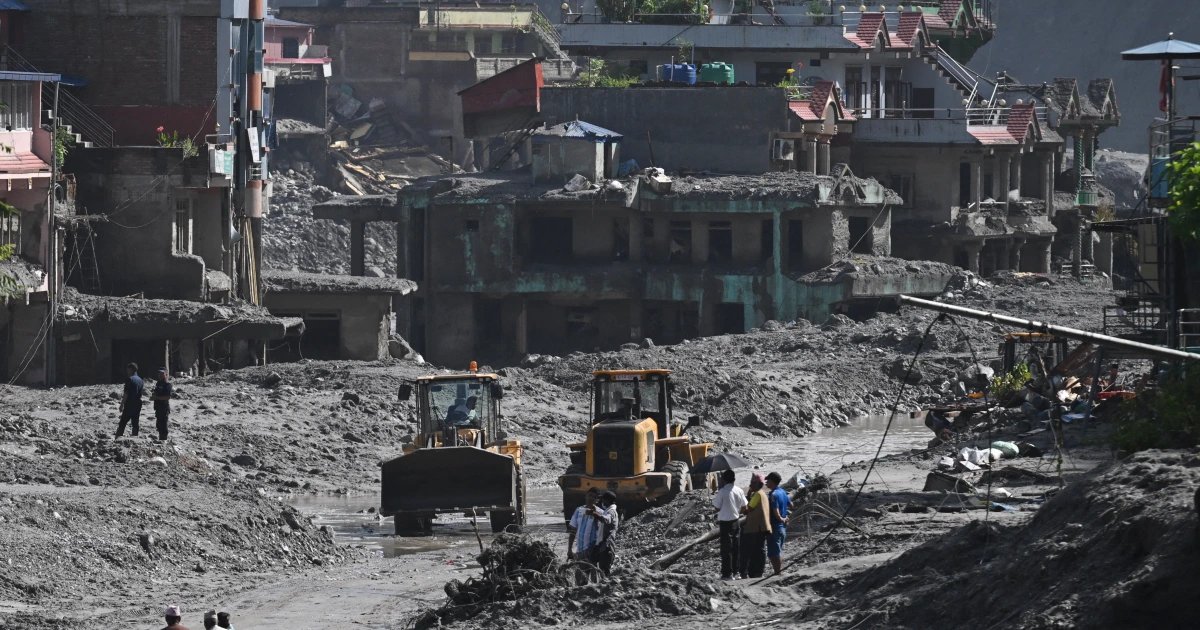
Fears of more flooding in Nepal, 100 Americans among the missing as rescue efforts step up
KATHMANDU — Authorities in Nepal have warned of the risk of further flooding after heavy rainfall, as China sheds light on the scale of the disaster in its Tibet region.…
Colorado River water cuts are coming to Arizona. What will happen to America’s salads?
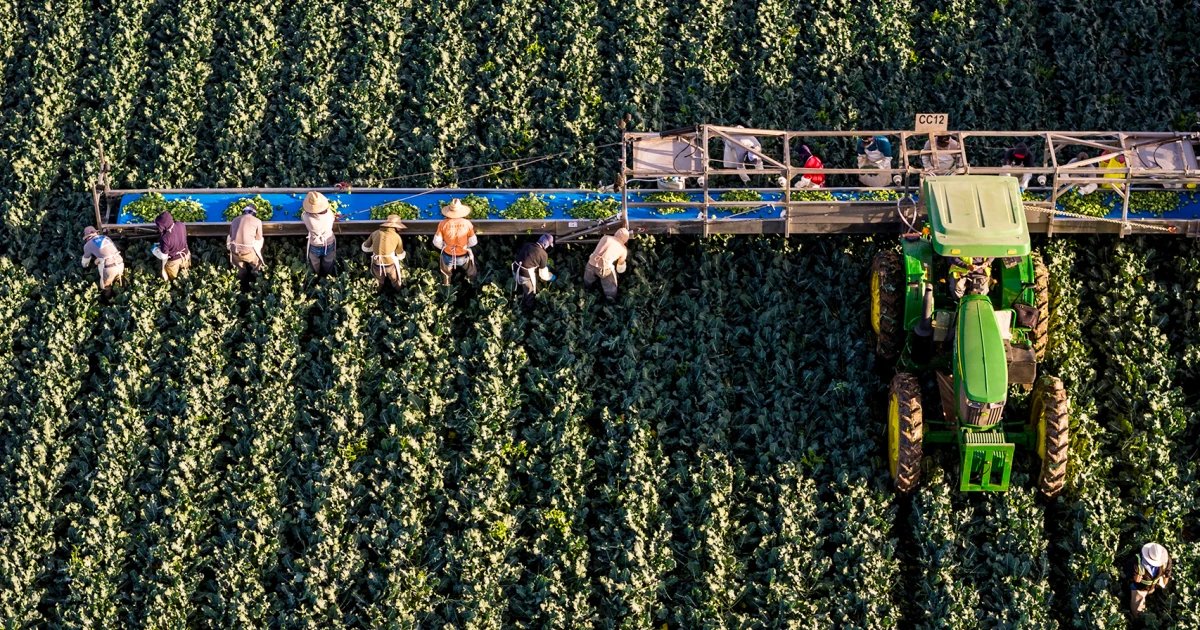
Dan Thelander, another farmer in the area, said that since CAP imposed water restrictions in 2022, he has only been able to use about half of the 6,000 acres his…


 dailynewsnblog