dailynewsnblog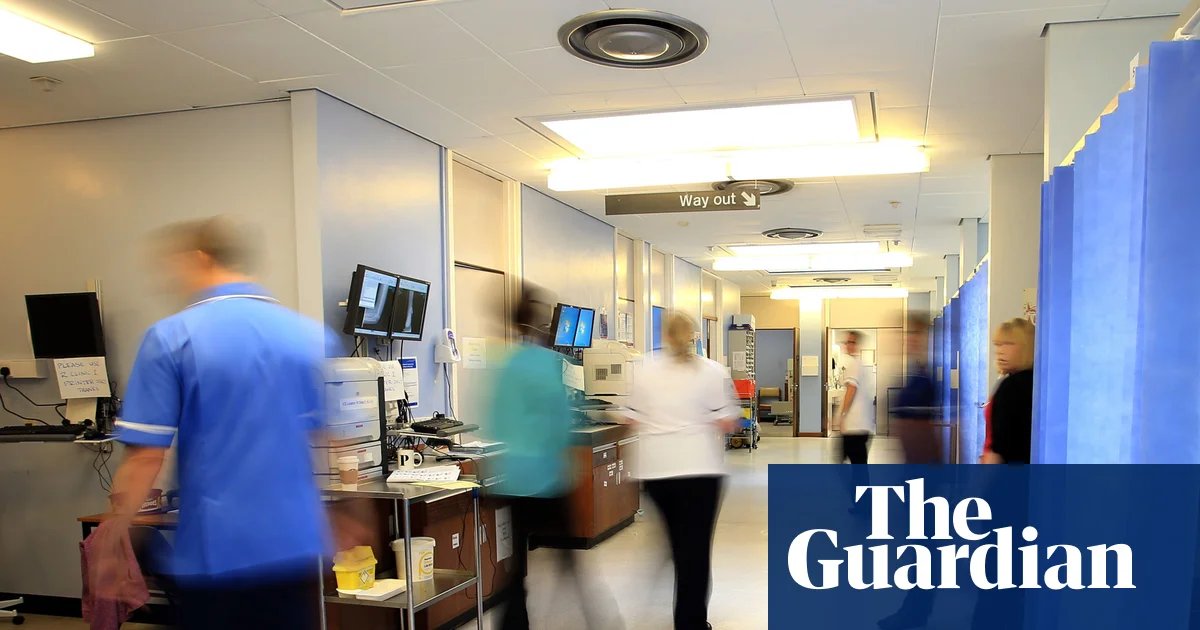
Hospitals in England have hit a key target for improving the time it takes patients to get treatment, which prompted Wes Streeting to declare that Labour’s “plan for the NHS is working” before departing as health secretary.
Streeting had told the NHS to ensure that hospitals treated at least 65% of patients within 18 weeks by the end of March. New NHS England figures published on Thursday showed that hospitals did so, treating 65.3% of people on the NHS waiting list within that timeframe in March.
The referral to treatment (RTT) target is a particularly important waiting time standard for the NHS to meet because it is the one that Labour has repeatedly pledged to restore to what it should be – 92% of patients being seen within 18 weeks – by 2029.
The NHS’s success will help Streeting burnish his record during his 22 months as the health secretary. He has stated that under his leadership “the NHS is on the road to recovery” after years of under-investment and neglect during the Conservatives’ 14 years in power.
Streeting said the NHS’s achievement showed that “our plan for the NHS is working. This is the biggest cut in waiting lists in a single month in 17 years.
“It means we are right on track to deliver the fastest reduction in waiting times in the history of the NHS.
“That is thanks to the government’s investment, modernisation and the remarkable efforts of staff right across the board.”
March was the first time since November 2021 that more than 65% of patients were seen within 18 weeks. “This is a huge moment for the NHS,” said Sir Jim Mackey, NHS England’s chief executive.
Sarah Woolnough, the chief executive of The King’s Fund, said it was “a significant achievement”. She added: “For patients and their loved ones, it means fewer long waits for treatment and some relief from the anxiety extended delays cause.”
The figures also show that the waiting list has shrunk by more than half a million since Labour took office. In July 2024, people were waiting for 7.62m tests and treatments, including surgery. That figure has fallen to 7.11m, a drop of 517,000. The total has now fallen for five months in a row.
However, the figures also showed the NHS missed targets to improve waiting times for other types of care – including A&E care, cancer treatment and ambulance response times – by the end of 2025-26. “Lots done, lots to do,” Streeting said.
Experts said hospitals’ success in delivering the required improvement in RTT performance was the result of NHS England giving them £120m in extra funding from January to undertake a “sprint” towards meeting the target. Hospitals used that money to see more patients and remove unnecessary or duplicate appointments by “cleaning” the waiting list, a tactic that the Conservatives claimed was “fiddling the figures”.
NHS trusts were offered financial incentives to undertake “validation sprint” exercises. For example, Shrewsbury and Telford Trust removed 14,148 patients from its waiting list after it was offered £33 per removal, and earned more than £460,000 in the process.
“It’s remarkable that 70% of the progress towards this [65%] target since April 2025 has happened during the final two months leading up to the deadline,” said Bea Taylor, a fellow at the Nuffield Trust health thinktank.
The NHS’s RTT performance has been below 60% for much of the time in recent years, which makes the 65.3% recorded in March even more striking. It was a big jump on both the 62.5% in the previous month and especially the 59.8% a year earlier in March 2025.
However, Taylor and Woolnough both cautioned that the NHS was unlikely to be able to sustain the same speed of progress seen recently to deliver Streeting and Starmer’s repeated promises that 92% of patients would once again be seen within 18 weeks by 2029.
Demand for NHS care is still intense. “Huge waves of patients are flowing on to waiting lists each month, making it difficult for the NHS to work fast enough to keep up,” said Taylor.