dailynewsnblog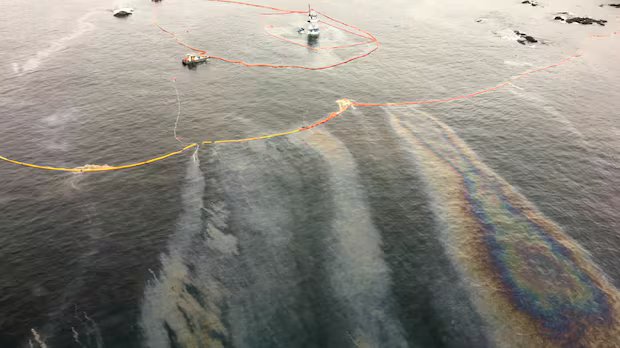

Listen to this article
Estimated 4 minutes
The audio version of this article is generated by AI-based technology. Mispronunciations can occur. We are working with our partners to continually review and improve the results.
The Haíɫzaqv (Heiltsuk) Nation says it has completed the first portion of a multi-part settlement after a tugboat ran aground in its territory, spilling thousands of litres of fuel into its waters.
In October 2016, the United States owned tug Nathan E. Stewart ran aground in the Seaforth Channel near Bella Bella, B.C.
An estimated 110,000 litres of diesel and another 2,000 litres of lubricants were spilled into Qvúqvái, an important area for harvesting in the nation’s territory.
The first settlement is with Kirby Corporation and Henry Hendrix, the second mate of the tugboat who fell asleep during his watch. According to the U.S. National Transportation Safety Board, he was likely responsible for the grounding of the tug.
In a membership notice posted June 3, Haíɫzaqv Joint Leadership said the company will pay $12.2 million to the nation following a court order later this year, as well as attend healing and washing ceremonies.
The spill affected marine life, food-gathering areas and access to a place that holds deep cultural meaning, the nation said.
“For many community members, the impacts of the spill have not only been environmental and economic, but also cultural and spiritual,” said the notice.
“Those impacts have continued for years.”
In April, Chief Marilyn Slett said the nation is still waiting for compensation and recovery work to begin, with over $23 million in estimated recovery costs.
The spill shows maritime laws covering oil spills were made without considering Indigenous Peoples and without a mechanism for compensating them for their cultural losses, she said.
The spill threatened dozens of species harvested in the area, including manila clam beds that provided income of up to $200,000 per year for the community, according to Haíɫzaqv.
Settlement ‘important step,’ nation says
As part of the agreement, the company will make a payment of $12.2 million to the Haíɫzaqv Nation once the court issues its order later this year, the nation said.
Members of the company will also attend a washing ceremony in Bella Bella, and a healing ceremony at Qvúqvái.
They have also agreed not to travel through the inside waters of Haíɫzaqv territory without first informing the nation, and discussing a memorandum of understanding on how it would operate in those waters.
“While this first settlement is an important step, it does not close this chapter,” said the notice to membership.
“The Nation remains committed to seeking accountability, supporting healing, and protecting the waters, lands, and way of life that are central to the Nation.”
In an emailed statement to CBC News, Kirby Corporation Vice President of Public and Government Affairs Matt Woodruff confirmed the two sides have reached a mutually agreed compromise settlement.
“We appreciate the constructive, good-faith engagement with the Heiltsuk Tribal Council and have great respect for the Heiltsuk community,” said Woodruff.
“We recognize the importance of this resolution.”
Haíɫzaqv Joint Leadership said it continues to pursue remaining claims against Canada and through the Ship-source Oil Pollution Fund. It is a federal compensation fund to help cover losses caused by oil spills after the ship owner has addressed responsibility.
After the court issues its order for the payment, there will be a community engagement and decision regarding the settlement funds, the nation said.

As marine environments are increasingly threatened by pressures such as plastic pollution, biodiversity loss and climate change, scientists and environmental advocates are looking to implement solutions to help protect the health of our oceans. In this episode of the Creator Network’s Coastlines, co-hosts Erica Porter and Connel Bradwell explore how collaboration between western science and traditional Indigneous knowledge is protecting ocean wildlife off Canada’s coasts.