dailynewsnblog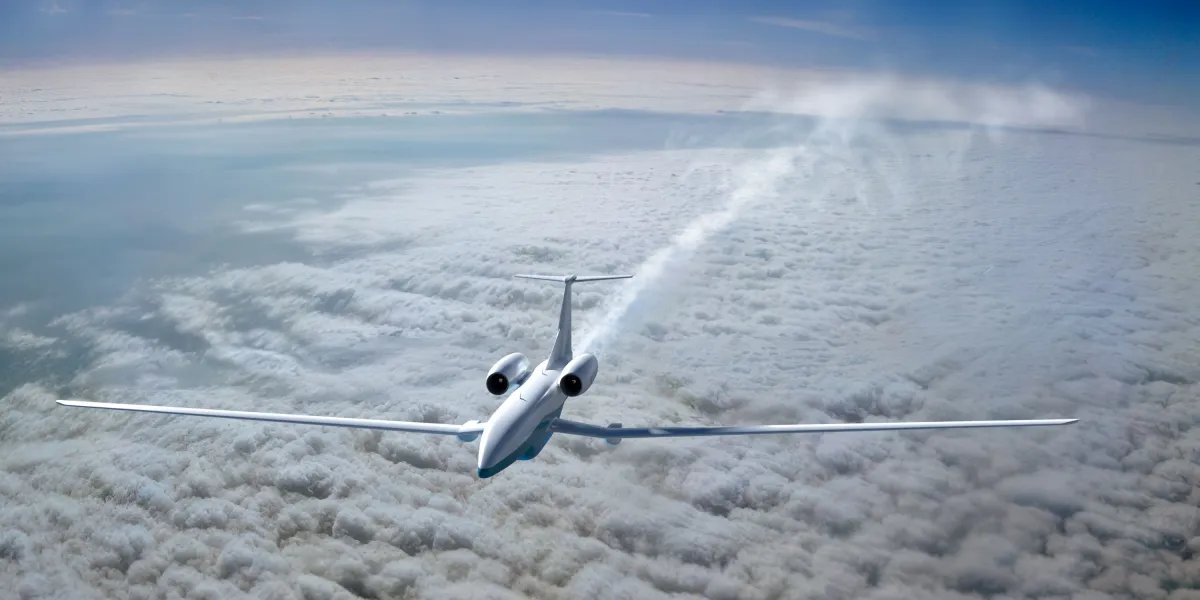
Some researchers are starting to look into how nations or companies would go about trying to cool the planet—and there’s a lot to figure out. My colleague James Temple dug into these engineering challenges in his latest feature story. My biggest takeaway? This all might be a lot harder than I thought.
I’ll admit, I’ve always thought of geoengineering as a relatively low-tech solution. That’s partly because over the years we’ve seen some companies do their own low-cost guerrilla “experiments,” tossing balloons up into the atmosphere and claiming to have made some small dent in climate change.
But to actually actively cool the planet in a significant way, and to make sure we understand exactly what effect we’re having, there’s a lot that researchers still need to learn.
First, there’s the problem of getting up into the atmosphere. Generally, the target for solar geoengineering efforts is the stratosphere, since the air there is drier and more stable, so particles deposited there would stay aloft and move around the planet, lowering temperatures over a wider area and for a longer time.
You can release the particles in balloons, but balloons may not go where you want them to. And at a large scale, you’d be leaving a lot of litter all over the planet. That leaves aircraft, but conventional planes aren’t suited to fly around in the stratosphere. (Commercial aircraft generally fly at around 12 kilometers above the Earth’s surface, while geoengineering would require reaching roughly 20 kilometers.) The air is thinner higher up, so aircraft with massive wings would probably fare better than more conventional designs.
One design, from a startup called Iris Aero, shows just how much rethinking of our current flight technologies might be needed—the plane is almost unsettling in its proportions. Its wings are so long, on a stubby little body. It reminds me of a water strider, those bugs that have super-long legs to scurry around on a pond’s surface.
And that’s just the beginning. There’s also the question of what, exactly, would be best to scatter up in the stratosphere. The idea behind geoengineering comes from volcanoes—after an eruption, sulfuric acid ends up floating around in the atmosphere, and it can temporarily cool the planet. But that chemical is sticky and would be heavy to carry, so scattering some sort of precursor to sulfuric acid would probably be better. Researchers, including some at the University of Chicago, one of the leading institutions in this field, are working to figure out the best formula.