dailynewsnblog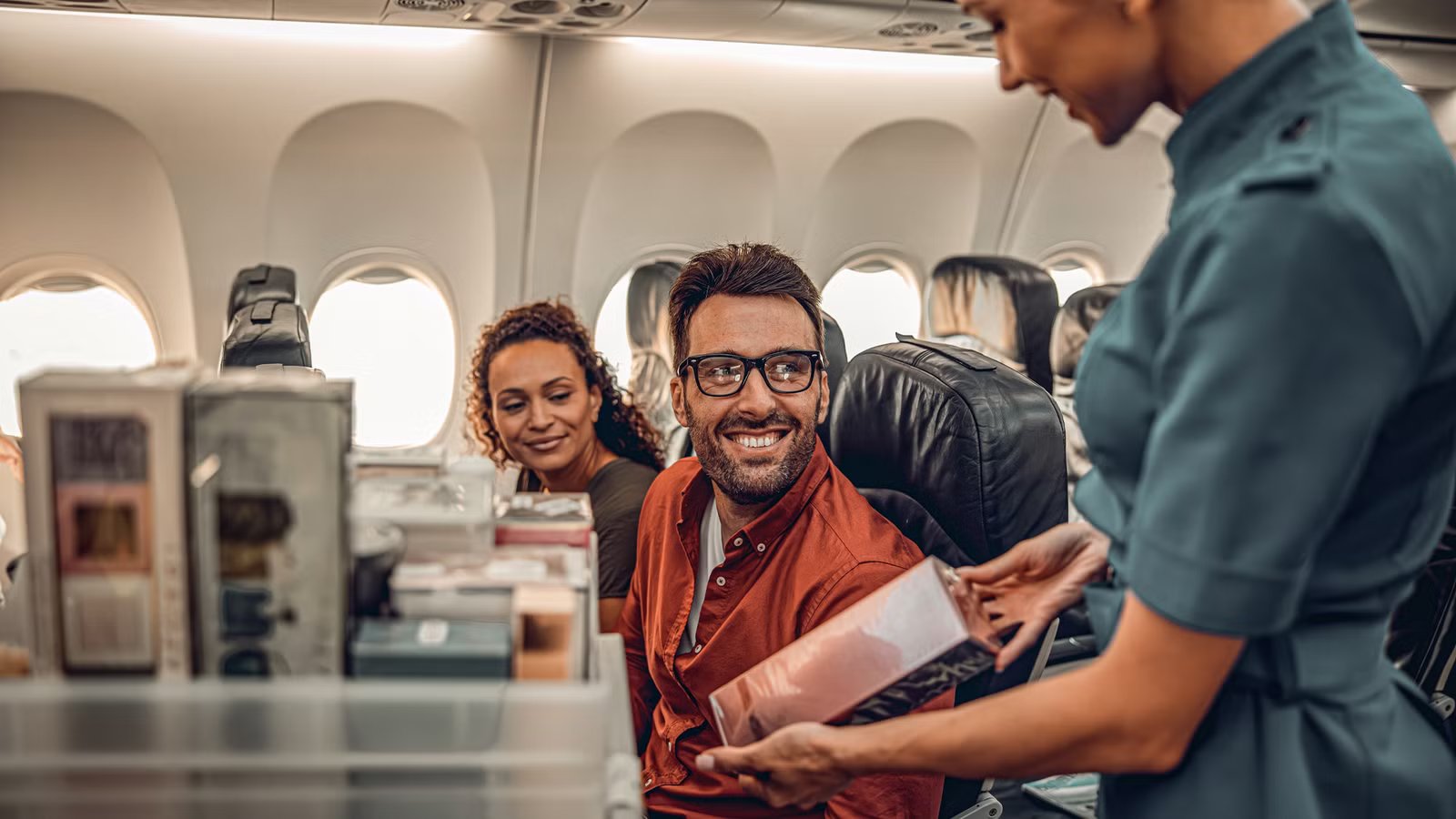
Every day is different for a flight attendant, and their job can never be described as boring. Every day, we see hundreds of passengers pass through our Aircraft, and we often observe the same behavior and characteristics. Some are good, and some are bad, but there are many things that passengers can do to make our lives a little bit easier. Working days are getting longer and more stressful with rising numbers of disruptive passengers and more onboard incidents.
Flight attendants, in general, would love to be treated with respect as safety professionals, not as personal servers. We also like eye contact, a genuine smile, and basic politeness. The flight deck is relatively invisible to passengers, whereas we take on the challenges that lie in the cabin with grace and show no signs of stress under pressure. So, with that in mind, what passenger habits do flight attendants appreciate?
Be A Good Passenger

During boarding, flight attendants greet passengers, check their boarding passes, and direct them to their seats. At the same time, they are carefully observing passengers for any red flags, such as sickness, potentially disruptive passengers, and intoxication. Most passengers don’t respond and just file on board, barely acknowledging the flight attendants’ welcome.
Eye contact and a genuine smile go a long way, and they will likely remember you for it. It shows respect that a passenger is present in the moment and approachable. It sets the tone for the entire flight and brings positivity to the usual boarding routine. Take out all the things you need for the flight in advance and avoid blocking the aisle. This saves flight attendants precious time when things are usually very busy. Make sure that you are sitting in the correct seat and avoid standing in the aisle as much as possible.
Make sure to stow your carry-on bag on its side, with wheels to the front or the back of the overhead bin. If your bag is heavy, please do not ask a flight attendant to lift it for you; the unwritten rule is that if you can’t lift your own bag, you should not ask someone else to do so. A flight attendant will help you to stow your bag correctly and efficiently, but cannot lift it fully. During taxiing, do remain seated until the seat belt sign is switched off and refrain from retrieving your baggage. If the aircraft should make a sudden stop, injuries could occur to you or others.
Simple Flying Quiz
Easy (15s)Medium (10s)Hard (5s)
Being Polite

It sounds like a no-brainer, but during the service, flight attendants really appreciate politeness. ‘Can I have a Coke, please?’ is much nicer than just ‘Coke’. It’s just respectful and good manners, but these days it is something of a rarity. Flight attendants will notice politeness, and in return, passengers may get extra drinks, snacks, or upgraded items from another cabin. Saying thank you is also important and shows that passengers understand that flight attendants try to make their flight a comfortable experience.
It is also appreciated if passengers remove their headphones when a flight attendant asks what they would like to eat or drink. It’s just a few seconds and saves flight attendants from repeating the same question over and over, which makes the service longer and is not ideal for passengers or the crew. If possible, look at the menu in advance and decide what you would like to eat or drink; this saves service time, especially when dealing with sometimes hundreds of passengers.
The call bell should not be used excessively, unless in an emergency, and not when we are already working in the cabin. It is difficult for flight attendants to reach you during service when carts are placed throughout the cabin. Please do not use derogatory terms like the outdated ‘stewardess’ or ‘air hostess’, and never grab at our uniform or touch us to get our attention.
Always Follow The Crew’s Instructions

Flight attendants are onboard primarily for passenger safety and not service. Their training consists of mandatory flight safety procedures that are performed every single flight, and how to deal with any emergency that may happen at any time. This could be a medical emergency, a fire on board, or a planned or unplanned evacuation onto land or water. These procedures are followed strictly by all airlines to ensure safety in the event of an unexpected incident and are enforced by aviation authorities.
Before takeoff and landing, flight attendants conduct ‘cabin secure’ checks to ensure passenger safety at these critical phases. All exits and aisles should be kept clear, and all baggage and loose items should be safely stowed to avoid injury. This includes wearing seatbelts, stowing the tray table, keeping the seatback upright, and opening the window blinds. Every safety instruction given to passengers has a safety reason, though passengers often do not understand it.
If a tray table is not stowed or a seat is reclined, this can block another passenger from evacuating the aircraft quickly, so it is important that instructions are followed. Wearing a seatbelt is non-negotiable and protects passengers from injury should the aircraft have to come to a sudden halt or something unexpected happen during takeoff or landing. Window blinds should be kept open, so crew members can see outside conditions and assess whether it is safe to evacuate the aircraft via their exit.
Observe The Safety Demonstration And Seatbelt Signs

The safety demonstration is key to airline passenger safety, although most people choose to ignore it. This is due to complacency and thinking that it won’t happen on their flight or that they’ve seen it all before. The most important thing that any passenger can do is to follow the crew’s instructions at all times. After all, their job is to keep passengers safe at all times. If passengers choose not to watch the safety demonstration, at a bare minimum, they should locate their nearest emergency exit, which may be in front or behind them, and count the number of rows to it. This is because evacuations often occur in dark and smoke-filled cabins.
If there is an evacuation, it is crucial to leave all baggage behind. Taking baggage slows down an evacuation, which is time-critical: aircraft should be evacuated in 90 seconds to save lives. It has been seen time and time again in the recordings of evacuations in recent years, where a bag is more important than life itself and has caused fatalities in the cabin. Baggage can also damage the slide and injure you or others.
Follow the seatbelt sign at all times to protect yourself from injury. It will be switched off during the cruise phase when the flight crew determines it is safe to do so. If there is any expected or minor turbulence, the seatbelt sign will be turned back on, and the flight attendants will perform another cabin-secure check. It is important to keep the seatbelt fastened whenever seated in case of unexpected turbulence during the flight.
What Are The Top Tips For Plane Etiquette?
One of the most hotly argued discussions in travel is what’s the rule around armrests.
The Rules Of Gifting

Just occasionally, off-duty flight attendants or flight crew, and the occasional thoughtful passenger, will bring their crew members a small gift, which could just be as simple as a bag of candy or a box of chocolates. It’s such a small touch, but hugely appreciated by the whole crew. A gift is neither required nor expected, but it’s a nice surprise when it happens. Even a small handwritten thank you note makes our day a lot better. Flight attendants in commercial aviation are not allowed to accept tips.
Some frequent passengers and crew will make a ‘goody bag’ for the crew that may contain things like face masks, under-eye patches, or lip balm, which are nice treats, once the flight is over. Snacks are always popular, along with coffee gift cards in the US. Although gifts are hugely appreciated, there are some things that should be avoided for obvious reasons. These include chocolates that have liquor inside and gummies that have additional added substances inside. This is dangerous because flight attendants must remain alert at all times in case of an emergency. In this case, this would be a threat to safety.
Of course, this works both ways. If flight attendants have pleasant, polite, and friendly passengers who follow safety procedures, they will go out of their way to make the flight more comfortable. We may be able to double the drinks or snacks, or bring some upgraded items from a premium class. Some airlines have items on board especially for gifting, but if not, the crew will often find something to show their appreciation. A little kindness goes a very long way.
The Bottom Line

Flight attendants often work long flights, under difficult conditions, but in general love their work, although they know that they are underappreciated. More often than not, they are seen as servers only, and not safety professionals. Passengers who are low-maintenance and friendly and follow instructions are the best, but these days, it’s something of a rare thing.
Gifts and personal notes make our day, and we will talk about the whole flight; it makes that much difference. Just a simple bag of duty-free candy can lift the spirits of the crew and doesn’t go unnoticed, and the passenger may get extra attention onboard. This may mean some upgraded treats, extra drinks, or their choice, and added snacks.
Respect, politeness, eye contact, and a smile make a winning passenger and the crew will notice this and go out of their way to reward them in return. They may even receive a gift, a goody bag to take home, or a personal note from all the crew to show their appreciation.