dailynewsnblog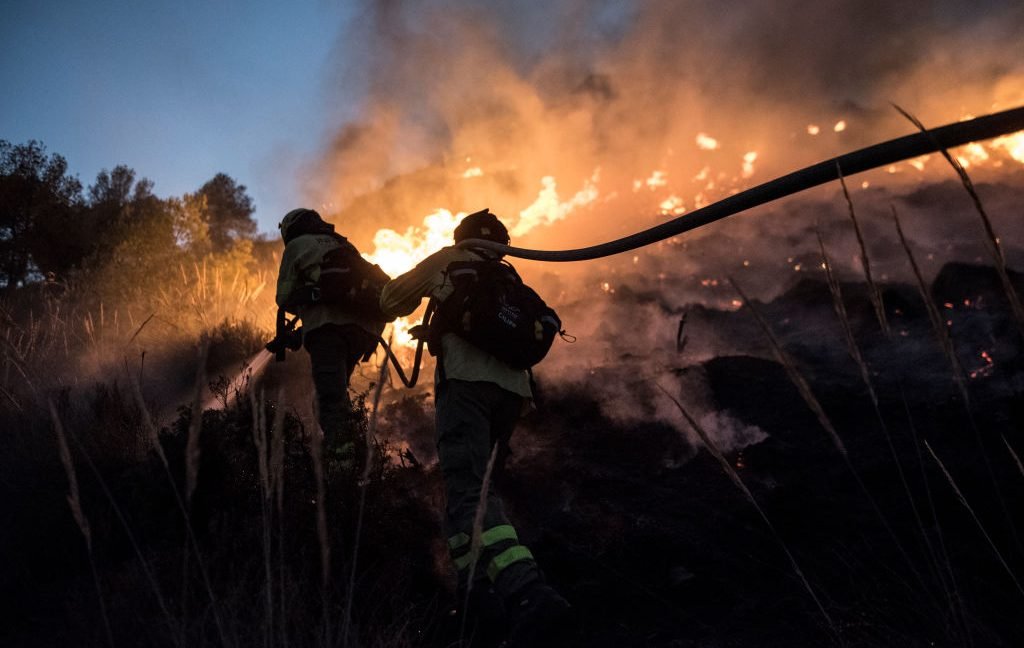
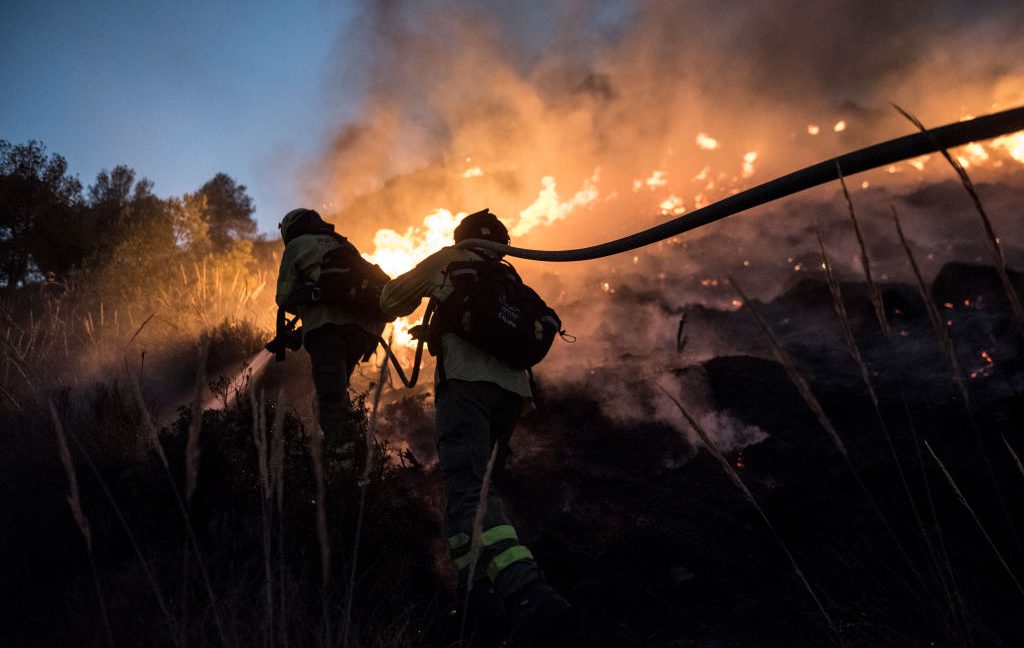
This year, Keeping said, wildfires on several continents have already scorched an Alaska-sized area of land—more than half a million square miles—50 percent more than average over the past 25 years. Almost all countries in West Africa and the Sahel region of North-Central Africa experienced record-breaking wildfires, he added.
But wildfire season is only beginning in many parts of the world, so with “this rapid start, in combination with the forecast El Niño … we’re looking at a particularly severe year materializing,” he said.
Big fires that burned in “normally lusher regions” of East Asia, including Myanmar, Thailand and Laos, were associated with severe droughts that were, in turn, linked with human-caused climate change, he said. Scientists know that ecosystems are drying more rapidly during periods of low rainfall due to warming, he said, adding that “these fires are of particular concern, given how populated the region is.”
Keeping said that a strong El Niño “can have a major effect on wildfire risk” appearing later this year, which could increase the likelihood of severe hot and dry conditions in Australia, as well as the northwestern US and Canada, and the Amazon rainforest.
Even if El Niño leads to “very extreme conditions later this year, it’s not a reason to freak out,” Otto said. “It comes and goes. Climate change, by contrast, gets worse and worse and worse as long as we do not stop burning fossil fuels. So climate change is the reason to freak out.”
A constructive response, she said, is within reach, “because we do know what to do about it. We have the knowledge and the technology to go very, very far away from using fossil fuels.”
This story originally appeared on Inside Climate News.