dailynewsnblog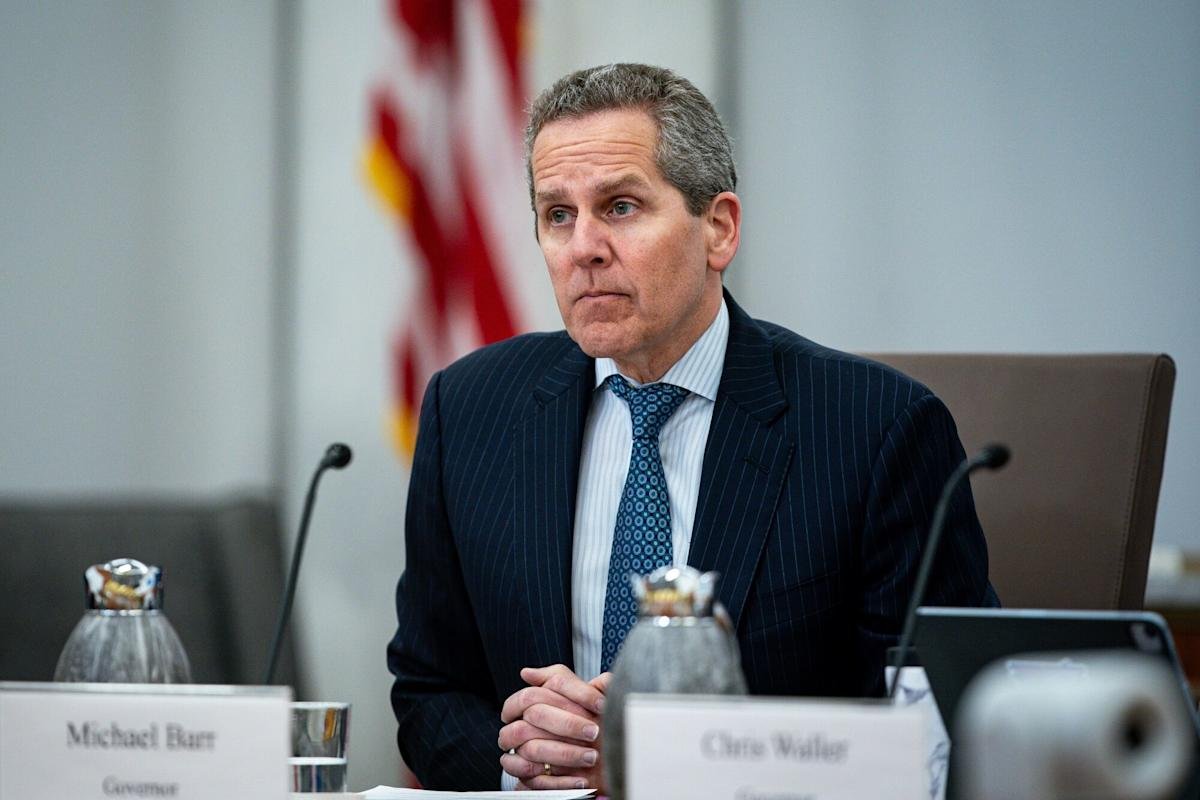
(Bloomberg) — Federal Reserve Governor Michael Barr criticized moves from regulators over the past year to relax the rules for US lenders, saying the proposals “considerably weaken bank regulation and supervision.”
Most Read from Bloomberg
“I believe that recent steps by the Federal Reserve and other agencies will undermine the safety and soundness of banks and increase financial stability risks,” Barr said in prepared remarks Saturday. “Vulnerabilities that result from deregulation may not be apparent today, but they will result in problems that will build over the coming years and could threaten serious harm to the economy.”
Trump-era officials have made changes to loosen the rules for Wall Street lenders, including relaxing how much capital big banks must hold as a buffer against potential losses, narrowing the scope of supervision and laying out a path for traditional lenders to better compete with private-credit giants.
That has resulted in a series of wins for the banking industry under Fed Vice Chair for Supervision Michelle Bowman, who took over the role a year ago. She was nominated to be the Fed’s top bank cop after Barr resigned from that role in a bid to bypass a potential battle with President Donald Trump over the position.
Barr warned that weaker capital rules, liquidity requirements and oversight can increase risks of bank stress.
“Achieving appropriate bank regulation and supervision is a balancing act,” he said. “Banks need room to grow so that their lending can support innovation and aspiration throughout the economy. At the same time, long experience has shown that without proper safeguards, banks striving to innovate in pursuit of higher profits may take excessive risks.”
Barr added that when banks get in trouble, their downfall threatens businesses and households and could put the economy at risk. He advised banking watchdogs to take steps to mitigate vulnerabilities.
“With solid capital and stable funding sources, both individual banks and the banking system as a whole can absorb a wide range of shocks, such as unexpected losses, while still continuing to lend,” Barr said.
Most Read from Bloomberg Businessweek
©2026 Bloomberg L.P.