dailynewsnblog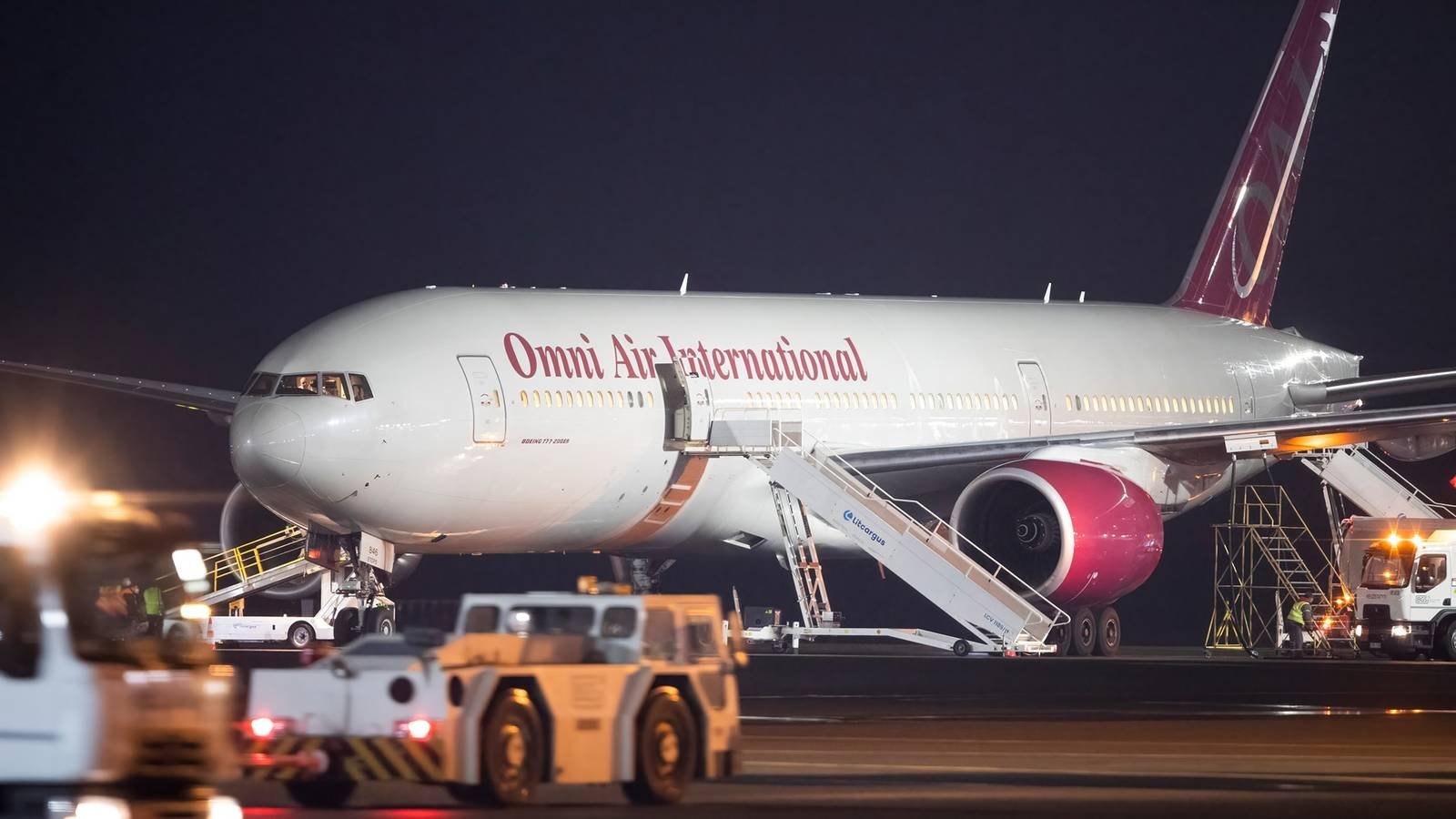
In the United States, there are a handful of airlines that focus primarily on US military and government charter work. These contracts are a significant revenue stream, and as the world faces the increased cost of living, this may result in different procurement priorities or budget cuts in the near future. Looking at the data from the United States Securities and Exchange Commission, Simple Flying decided to understand which airlines may be the most affected if funding streams change.
Airlines that are the most exposed to any change in federal spending are expected to be specialized operators, rather than the larger commercial airlines.  United Airlines,
  American Airlines, and
  Delta Air Lines don’t necessarily focus on military or government charter work, instead participating in the Civil Reserve Air Fleet (CRAF) – more about that later in this article.
A Deep Dive Into Airlines That Cash In On Government Or Military Contracts

Atlas Air, Kalitta Air, Omni Air International, National Airlines, Air Transport International, and Amerijet all reap the rewards of revenue that has come from the United States Department of Defense and other key government charters. For some of these airlines, up to 30% of their operations and income come from government contracts (according to SEC.GOV).
For these carriers, working with the government provides stable and predictable revenue, which also enjoys high utilization rates for aircraft that may be slightly older or less desirable and competitive in the commercial aviation market. These contracts are usually operated in good faith and credit with the US Government, with reliable payment.
As a financial backbone, these provide sustainable income and continued operations while commercial demand dips and dives. However, if a reduction in the US defense budget were to shift, this could represent an immense risk and could lead to financial headwinds for airlines that otherwise have relied on this consistent income.
Profiles Of Major Charter Carriers

All of these airlines are major American cargo or passenger charter carriers and part of the National Air Carrier Association (also known as NACA). They provide airlift operations for the US Military with cargo transport or passenger charter flights around the world. Additionally, they serve as partners in the Civil Reserve Air Fleet, which is there to support the US Transportation Command.
Atlas Air is based in New York and is the largest operator in the world of the Boeing 747 freighter. It offers both passenger and cargo services. Kalitta Air calls Michigan home, and specializes in delivering on-demand charter flights and the movement of international freight. Omni Air International is headquartered in Oklahoma and provides aircraft, crew, maintenance, and insurance ( ACMI) charters.
Based in Orlando, National Airlines is another airline that provides passenger or cargo services for both the US Government and private companies or personnel. Air Transport International, based in Arkansas, offers cargo or military support operations, while Amerijet is primarily focused on cargo transportation.
Meet The New King Of Cargo: Atlas Air Orders 20 Airbus A350Fs
The airline is making a major fleet investment.
Civil Reserve Air Fleet (CRAF)

The United States Department of Defense has a partnership with several US commercial airlines, which allows it to call on commercial aircraft for military use during national emergencies or defense crises. These airlines volunteer or pledge aircraft that can be utilized when an airlift exceeds the capability and availability of military aircraft.
As part of the CRAF, airlines must be able to support within 24 to 72 hours, and be able to commit a minimum of 30% of its CRAF capable passenger and 15% of CRAF capable cargo aircraft. Each carrier must maintain at least four crews for each aircraft. According to the CRAF website, a total of 24 airlines with a total of 553 aircraft are currently enrolled, with 517 of these planes in the international capability segment and 126 in the short-range segment. Airlines, as noted on the CRAF website, include:
|
Segment |
Airlines Involved |
|---|---|
|
International Segment – Long Range Section |
|
|
International Segment – Short Range Section |
|
|
National Segment – Domestic Section |
|
Airlines that participate in the CRAF enable these carriers to have priority access to peacetime charters, while at the same time committing their aircraft to support the military in times of need. The CRAF has only been activated three times in its history.