dailynewsnblog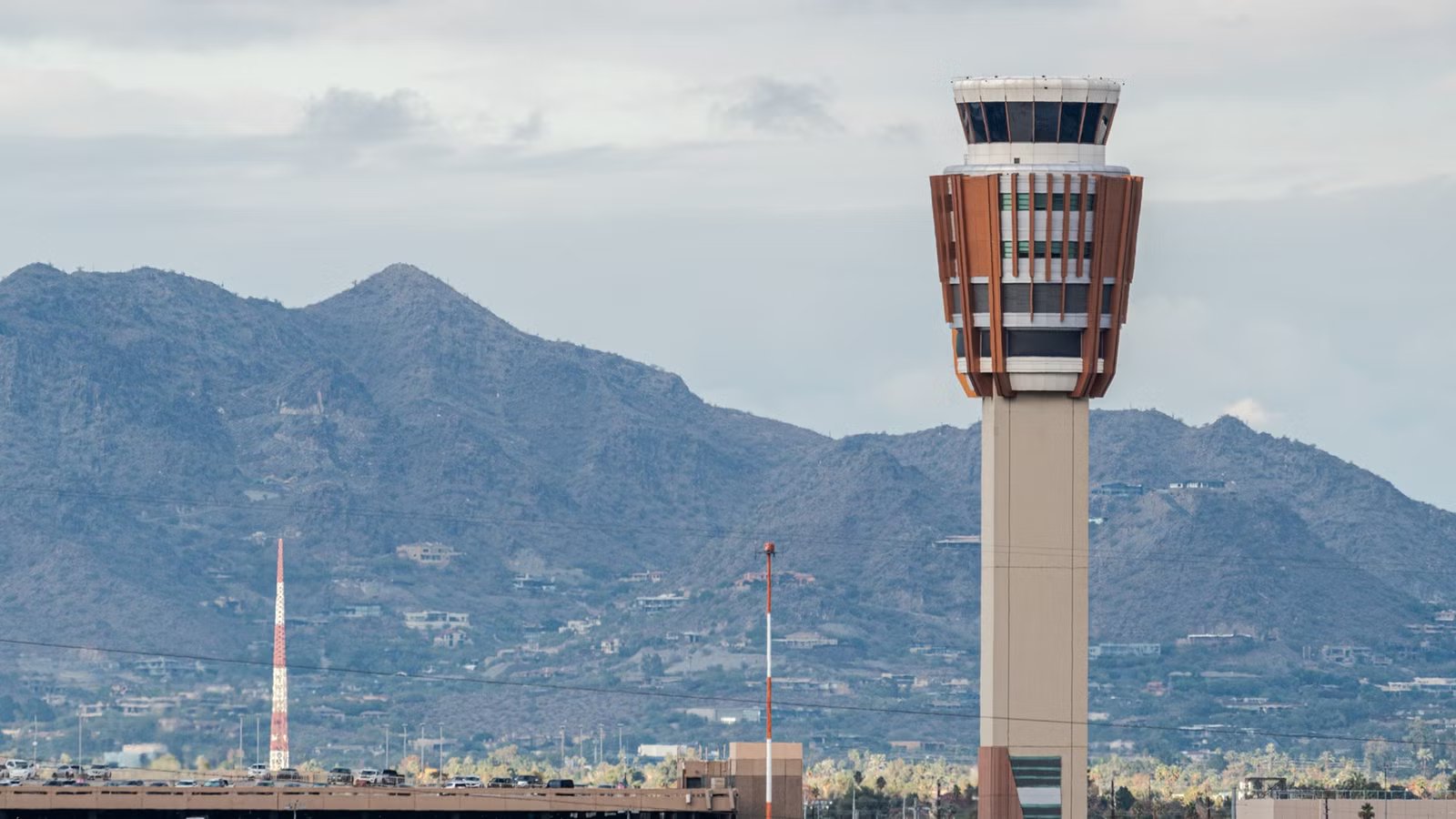
Continued strain on the air traffic control system in the United States has seen the Federal Aviation Administration (FAA) administrator Bryan Bedford link a sweep of changes. This raises questions about what is holding up the last of a 2.8% raise, which Congress approved in April.
This comes as the workforce remains about 3,000 controllers short, and current and former controllers warn that ongoing staffing problems are hemorrhaging morale, complicating recruitment, and leaving the nation’s air traffic system vulnerable to weather and other disruptions.
Controllers Are Working 10-Hour Shifts Six Days A Week

Analyzed by Anna Giartitelli, the new proposal suggests that controllers should be permitted to spend more time on shift while on duty; however, at the same time explaining that between 2023 and 2025, acceptable overtime levels far exceeded reasonable use. Chronic overtime forced on controllers has been shown to increase fatigue, burnout, and workforce attrition as they look for other jobs.
Currently, some air traffic controllers are working up to “10-hour shifts six days a week,” according to Dave Riley, a retired air traffic controller, who spoke to the Washington Examiner. It has reportedly left little downtime outside of work during the week before they return for the next shift. The FAA’s claim that controllers are not being productive enough to earn the same income raise as other government employees has left controllers increasingly aggravated.
Riley, who worked at both  Denver International Airport (DEN) and
  Phoenix Sky Harbor International Airport (PHX), suggested that the excessive amounts of overtime for an extremely long period, and additional training interruptions have resulted in it being increasingly difficult for the administration to rebuild the workforce.
Working 10 Hour Shifts: The Reality for Air Traffic Controllers

With continued pressure on the US aviation system, it’s no surprise the strain is starting to show for the public. If control towers are already operating with low staffing numbers, and adverse weather, sick calls, and other disruptions exacerbate the situation, controllers may have limited ability to absorb additional traffic.
As a result, the FAA may need to slow the flow of aircraft to and from affected airspaces, leading to delayed or canceled flights throughout the country. A staffing problem at one tower can ultimately cause delays or long waits for airlines and passengers across the country.
As outlined by one controller who wanted to remain anonymous, the ongoing concerns about staffing numbers have raised concerns about professional retaliation, with some facilities being forced to operate with slim margins that can see the absence of one or two controllers be enough to tip the tower over the edge and see the FAA required to limit the number of aircraft permitted in that airspace.
A 2.8% Raise Was Approved By Congress In April.

Back in April, Congress approved funding that would bring controllers’ pay in line with a 3.8% increase awarded to military personnel. Controllers had already received the 1% issued to federal employees in January; the remaining 2.8% remains to be implemented.
The FAA has pushed back, suggesting it has its own attached conditions that will be part of the additional pay, pointing to new language that seeks to determine whether operational improvements have been reached. FAA spokesperson Hannah Walden explained that the FAA determines workforce scheduling, staff utilization, and other operational efficiency, and that the statute gives the administrator discretion over whether the pay adjustment should be retroactive to January.
Bedford said the FAA must increase controller utilization and improve scheduling, and that one of its biggest opportunities to improve current performance is better use of tools to use its workforce more efficiently. The plan suggests that controllers averaged about four hours in position during an eight-hour shift, and that this should increase to about five hours. The agency is considering reviewing basic watch schedules and evaluating facilities’ hours of operation to ensure they best match the limited workforce.