dailynewsnblog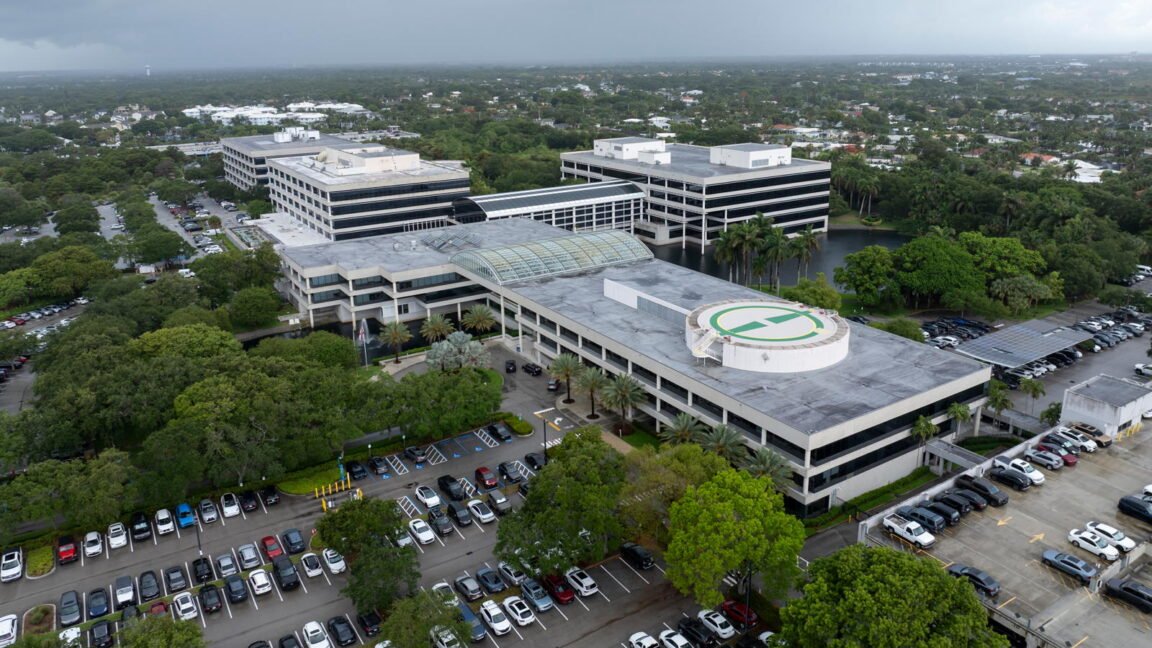
”You’re making a very large utility that has a tremendous amount of financial resources, a tremendous amount of political power, and that does not always bode well for ratepayers,” he said. “The more political power that a utility has, the more probable it is that they will use that power to the disadvantage of ratepayers.”
Smith cautioned that the merger should not be viewed as a done deal. NextEra has attempted to acquire other utilities in the past and failed, including aborted talks with Duke Energy in 2020.
“Their track record in acquisitions is not really that great,” he said. “Going after Dominion is the biggest fish that they have tried to reel in.”
Virginia’s laws would still apply
Despite those worries, Dominion and its out-of-state parent company would still need to follow Virginia’s laws and regulations, said William Shobe, a research professor emeritus of public policy at the University of Virginia.
“The regulations don’t mention Dominion, they mention the utility that covers Dominion’s footprint, whatever its name is,” he said.
Those laws include the Virginia Clean Economy Act, the state’s 2020 law seeking to decarbonize its grid by 2050, and the recently passed legislation increasing Dominion’s battery storage development targets.
If anything, NextEra’s track record as a leader in solar and wind power could “bleed” into the Dominion culture that “has not been super aggressive about adding non-emitting technology,” Shobe said.
Acquiring Dominion is appealing to NextEra Energy, he said, because Virginia has a friendly policy environment to build grid infrastructure, a strong profit margin, and a booming data center market. NextEra said the merger creates a pipeline of 130 gigawatts’ worth of demand from data centers, which critics say are speculative, and a chance to more than double generation capacity to 225 gigawatts by 2032.
In November, state regulators approved a $7 billion rate hike for Florida Power & Light. Consumer groups characterized the rate hike, which faces a legal challenge in state court, as the largest in US history.
Bradley Marshall, a senior attorney at Earthjustice, said the rate hike positioned NextEra financially to pursue the merger.
“In the past, when we see utilities become even more powerful, we’ve seen bills go up even further,” he said. “Consumers need to be informed about what’s happening and ensure that keeping bills from going up is a priority.”
This story originally appeared on Inside Climate News.