dailynewsnblog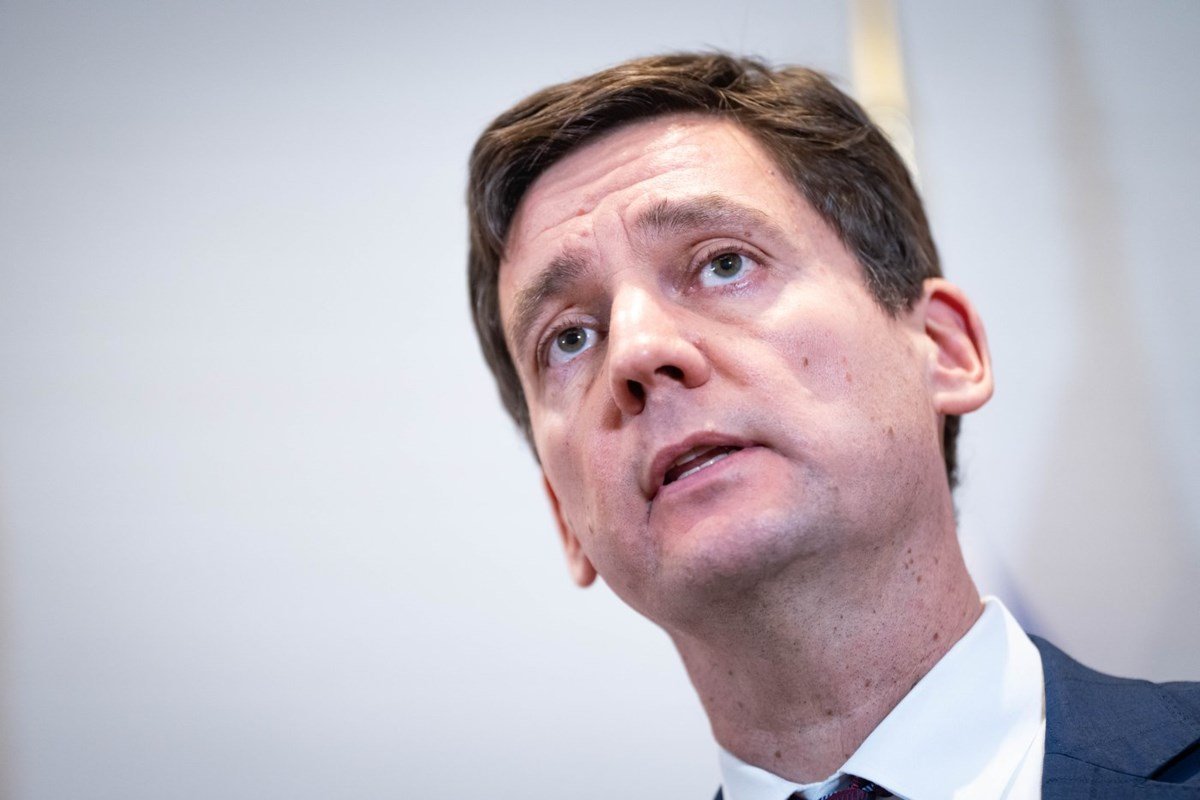

VICTORIA — British Columbia Premier David Eby said that “moving forward together” with First Nations leaders is now his top priority, explaining why he withdrew plans to table legislation to suspend key parts of the Declaration on the Rights of Indig
VICTORIA — British Columbia Premier David Eby said that “moving forward together” with First Nations leaders is now his top priority, explaining why he withdrew plans to table legislation to suspend key parts of the Declaration on the Rights of Indigenous Peoples Act on Monday.
Eby, who previously angered First Nations leaders by saying that changing DRIPA was “non-negotiable,” told reporters that he takes “responsibility” for taking the province in “different directions” on the Indigenous law.
“Well, I certainly would have liked to have been right the first time — I was not,” he said. “This is challenging work. This is one of the hardest files that I have ever worked on.”
Trevor Halford, interim leader of the Conservative Party of B.C., said Monday the premier made an “absolute mess of the situation,” and B.C. residents and First Nations are suffering because of it.
“The fact is that he has now changed positions on one of the most important issues that we faced in decades here six times.”
B.C. Greens praised Eby for changing course. Leader Emily Lowan, standing next to MLAs Jeremy Valeriote and Rob Botterell, said the premier took an important step.
“After months and months of misinformation and fearmongering and ineffective leadership, this is a move toward effective collaboration and something that the B.C. Greens heartily embrace.”
However, Lowan said Eby has to spend the next months repairing relationships between his government and First Nations.
After a series of flip-flops and walk backs to pause or amend the law, Eby and the First Nations Leadership Council issued a joint statement Monday, saying the government won’t be introducing legislation to suspend or amend DRIPA during this legislative session.
“Together, we commit to genuine collaboration to find solutions as soon as possible, and before the fall legislative session,” the joint statement says.
The government and the council “are committed to working together with all First Nations leaders” to consider the government’s legal concerns about the declaration act, “while upholding the title and rights and human rights of First Nations.”
Eby has said that a December court ruling meant that DRIPA — which was intended to reflect the UN Declaration on the Rights of Indigenous Peoples — put the province at significant legal risk.
The premier called the issue of DRIPA “probably the most challenging issue I’ve worked on in government.”
“It is absolutely possible as a leader to move off confidently in the wrong direction,” he said.
Eby, whose government has a one-vote majority and three Indigenous MLAs, said he believed he would have had the numbers to pass suspension legislation had it been tabled on Monday.
But he said the agreement with the First Nations Leadership Council “enables us to do the work to jointly develop” a long-term solution.
“There is no guarantee, simply because we reach this agreement that come the fall legislative session, that we will have that agreement, but I’m certainly hopeful that we will and this agreement to move forward together is the precondition to be able to get there,” he told reporters.
The premier has said the B.C. Court of Appeal ruling on the mining regime would force government to incorporate the UN Declaration on the Rights of Indigenous Peoples into all its laws, something he compared to eating an elephant.
First Nations have been outspoken in their opposition to any changes, and a proposal on Sunday for a one-year suspension was swiftly rejected, then withdrawn.
A letter issued by the Assembly of First Nations had called on all MLAs to vote against the proposed suspension legislation.
“First Nations around the province have made their position clear — attempts to unilaterally suspend or repeal DRIPA and the Interpretation Act will invite legal challenges,” it said.
The letter also warned government of “collective resistance from First Nations and allies across the province.”
Eby said at the legislature that the province faces real threats around ongoing conflict with First Nations.
“So, that is why our government is committed to finding, if at all possible, a collaborative path forward,” he said. “We want to move past the court battles, past the blockades, past those issues, and that is what (DRIPA) is all about.”
Eby’s government issued a statement late Sunday saying it was backing away from any plan for changes, and sources said it had instead presented First Nations leaders with a document on how to work together to implement DRIPA.
The document provided to The Canadian Press by a First Nations leadership source says there is “no commitment to either a) make amendments, or b) not make amendments to DRIPA.”
The document, which is subject to a non-disclosure agreement, outlines how discussions between the government, First Nations and other stakeholders could take place.
The first meetings could take place within two weeks of the process being announced, the document says.
— With files from Alessia Passafiume in Ottawa
This report by The Canadian Press was first published April 20, 2026.
Wolfgang Depner, The Canadian Press