dailynewsnblog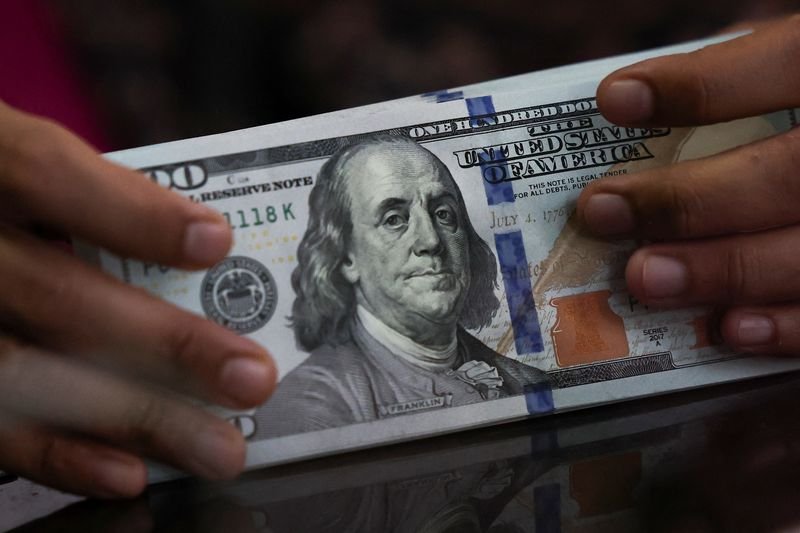
By Jiaxing Li
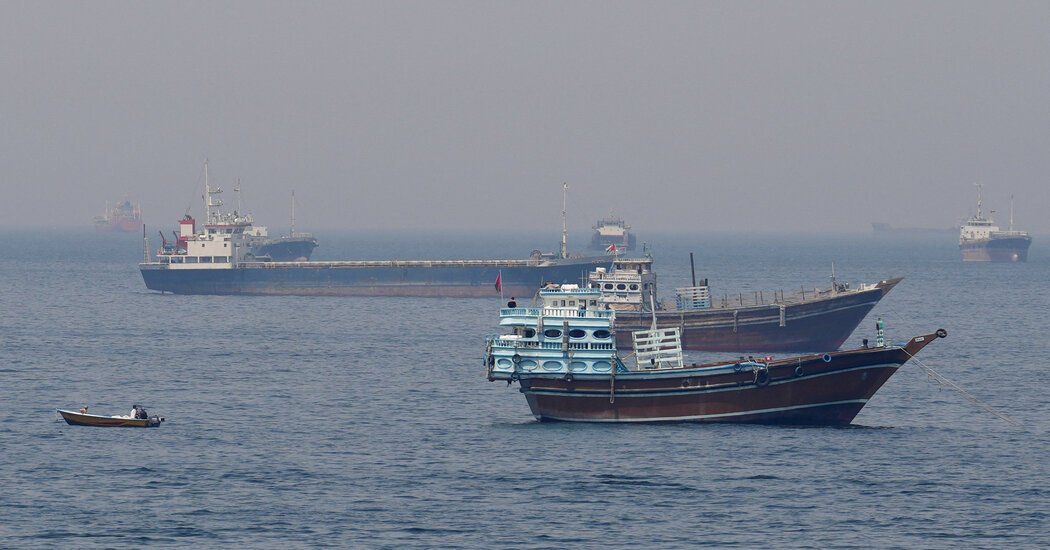
HONG KONG, April 21 (Reuters) – The dollar and yen were under pressure on Tuesday, with investors poised to buy riskier currencies and hoping for a U.S.-Iran deal to reopen Gulf shipping, while a sticky inflation reading lifted the New Zealand dollar.
With the ceasefire set to expire this week, the fate of Iran peace talks remained uncertain as Tehran has yet to decide how to proceed with the diplomatic process following a recent escalation in tensions.
However, investors think both sides are motivated to reach a deal. President Donald Trump said negotiations are happening “relatively quickly” and will yield better terms than previous agreements.
The euro stood at $1.1782 and sterling traded at $1.35225, both down roughly 0.1% so far on the day. The risk-sensitive Australian dollar weakened 0.1% to $0.7171 in early trading.
The dollar index, which measures the greenback against a basket of currencies including the yen and the euro, was steady at 98.087 after a 0.2% decline on Monday.
“I think the talks between those two parties will be the key driver in the next 24 hours,” said Carol Kong, currency strategist at the Commonwealth Bank of Australia. “Markets are just in a wait-and-see mode.”
Trump appears eager to reach a deal with Iran and end the war quickly, but it’s very much dependent on the outcome of the negotiations, she added.
“We still see two-sided risks to the U.S. dollar.”
CENTRAL BANK MOVES WATCHED
The yen was steady at 158.955 per dollar, continuing to hover near the crucial 160 level that traders see as the line in the sand for intervention.
The Bank of Japan is likely to hold off raising interest rates next week, five sources familiar with its thinking said, as fading prospects of a near-term end to the Middle East war keep the country’s economic and price outlook uncertain.
The kiwi traded at $0.59085, up 0.3%. New Zealand’s annual inflation rate was unchanged at 3.1% in the first quarter, above the central bank’s target range, increasing the likelihood of further rate hikes this year.
Meanwhile in the U.S., Kevin Warsh, Trump’s nominee to lead the Federal Reserve, will tell lawmakers at his Senate confirmation hearing on Tuesday that he is “committed to ensuring that the conduct of monetary policy remains strictly independent.”
Attention will be paid to U.S. retail sales for March later today, with analysts predicting a chunky 1.4% increase.
(Reporting by Jiaxing Li in Hong Kong; Editing by Thomas Derpinghaus)