dailynewsnblog
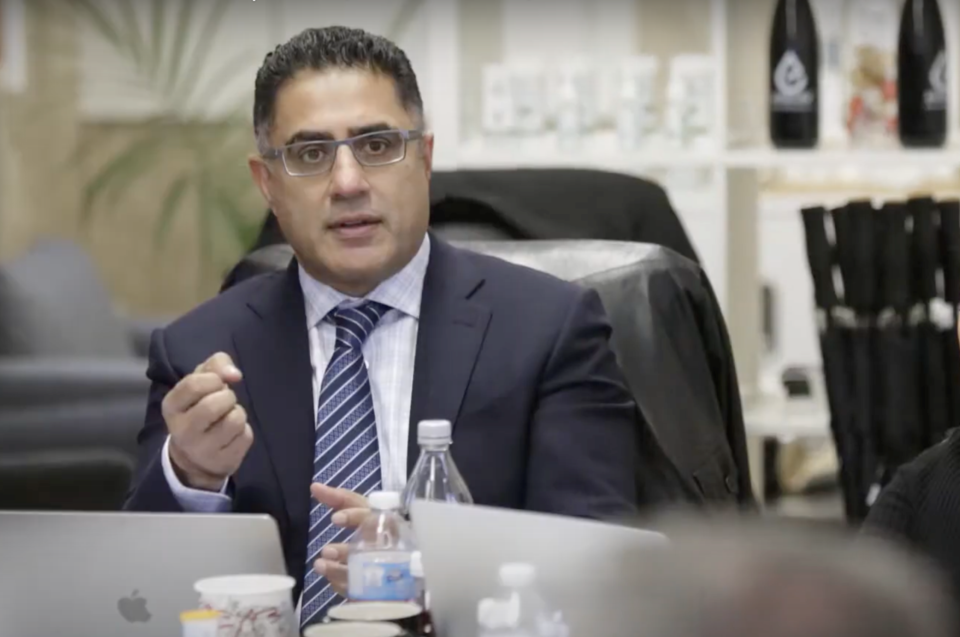
“The first story said I was quitting, and the best evidence I can provide that I didn’t, is I’m in front of you right now,” he said.
The head of Canada’s special defence procurement agency is dismissing media reports that he was planning to resign because of frustrations with the slow pace of the civil service.
Defence Investment Agency CEO Doug Guzman appeared before the House finance committee on Tuesday to answer questions about the government’s second bill to implement measures in the 2026 spring economic statement.
The omnibus bill, known as C-31, laid out plans to create the DIA as a standalone entity with broad financing powers. But the government last month tabled a separate standalone bill — C-40 — that would establish the DIA as a Crown corporation, overseen by a CEO and board of directors.
It came after the Globe and Mail reported that Guzman was planning to resign, citing his frustrations with the government’s bureaucracy. The outlet later reported that Guzman had changed course and was staying at the agency.
Conservatives at committee on Tuesday questioned Guzman if he felt that he couldn’t run the DIA under the terms of the original bill, prompting the new legislation.
Guzman downplayed reports that he was unhappy and said it was “dangerous to draw conclusions from what was written in those stories.”
“The first story said I was quitting, and the best evidence I can provide that I didn’t, is I’m in front of you right now,” he said, noting that one story linked him to the yet to be established Defence, Security and Resilience Bank.
“There are about four different versions of what I was happy with or unhappy with, which included running the DSRB, which does not exist, which doesn’t have a board, which doesn’t have a CEO. I was talked back. I was I was gone. I was back. So, I wouldn’t put much credence in any of that from the beginning.”
READ MORE: Liberals table bill to establish Defence Investment Agency as Crown corporation
Guzman said the Privy Council Office is better informed about government structure than him and what he cared about is “having the freedom to do the things we need to do.”
The Conservatives and other opposition parties have been quick to question why the government has changed plans on the agency in a matter of a few months.
Conservative MP Greg McLean asked why C-40 created a separate cabinet role just to oversee the DIA and worried it would create the opportunity for “significant corruption.”
The new bill delegates parliamentary oversight to a new cabinet position, to be titled the associate minister of national defence for procurement.
Secretary of State for Defence Procurement Stephen Fuhr, who currently oversees the DIA, said that’s “certainly not the case” and making the agency a Crown corporation will put it on better footing in the defence market.
“It’s a Crown corporation, so it can be more commercially minded. When we do defence procurement, we go up with you know against some of the biggest corporations in the world,” he told the committee.
” We want a commercially minded entity to make sure that we get the best deal we can to make sure that we do more than just buy, but realize opportunities in the investment space.”
Speaking to iPolitics after the meeting, Fuhr said the new bill was tabled to reflect best practices and new insight into the new agency.
“C-31 was tabled in early May, which is about six months into the DIA being established. Now we’re a year into it. We just continued to learn,” he said.
“One of the things that became pretty apparent was, if the DIA could operate as a more of a more commercially minded organization, we think that we can realize a bunch more opportunities, especially in the production and investment space, because we just want to do more than just buy things, we want to make sure that we get extract as much value as we can out of all these activities.”
Fuhr also dismissed claims from the Conservatives that the change in direction for the DIA was prompted by a desire to weaken parliamentary oversight.
“You have a single point of accountability, which is the minister, which is something we never had before. It’s like all these different departments had their fingers in in the pot, but you couldn’t really point to one. You certainly can now,” he said, noting that the Crown corporation would still be required to cooperate with the auditor general, parliamentary budget officer and House and Senate committees.
“I would argue there’s a layer of of accountability that we also put into the Crown because they’re a board, right? They have fiduciary duties to ensure that things are done correctly, which we don’t have right now.”