dailynewsnblog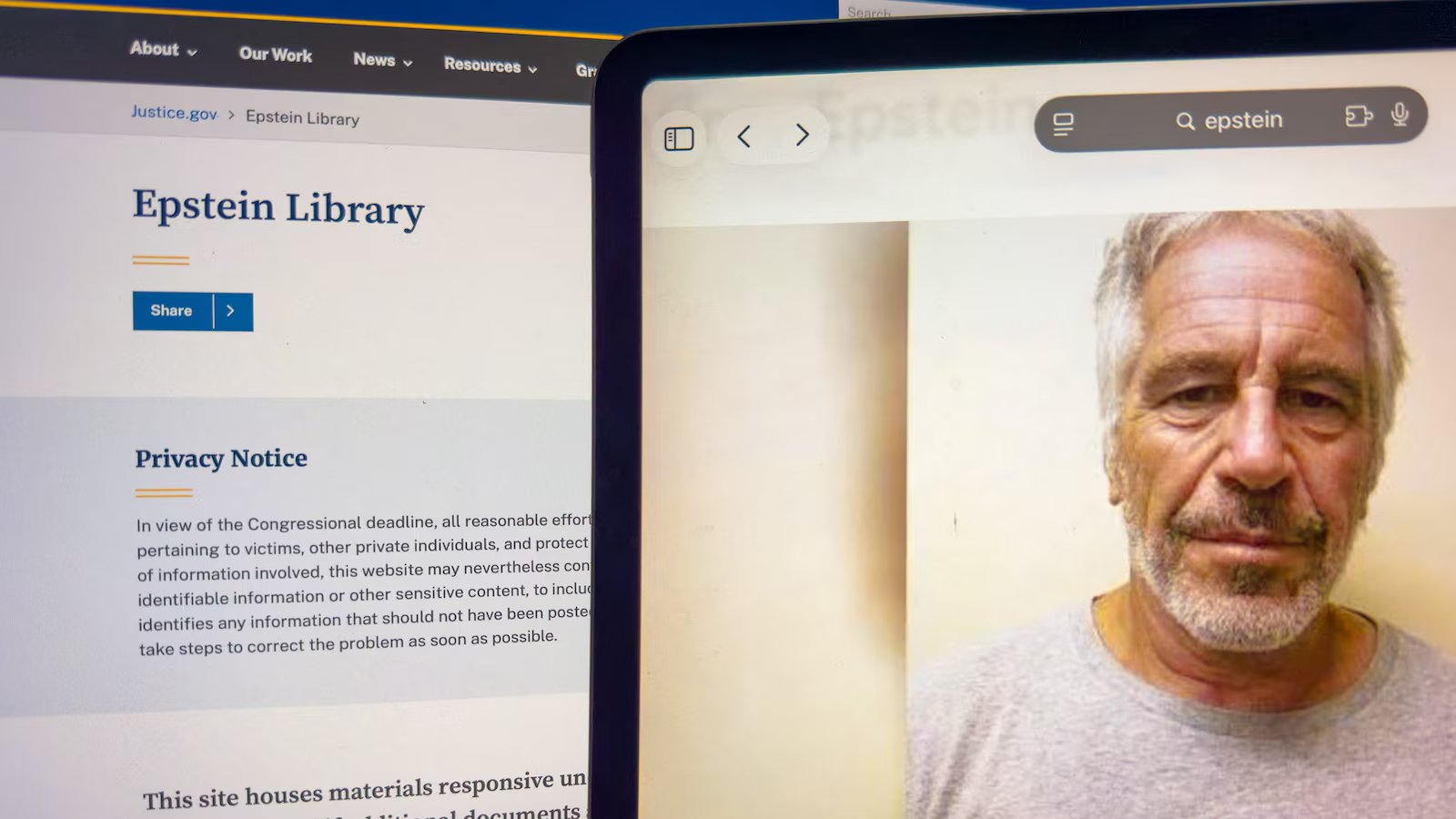
The Department of Justice on Thursday declined to turn over additional information from the Epstein files as ordered by a judge, arguing the materials include sensitive victim information or were appropriately redacted as required by law.
Hours ahead of the deadline to turn over the materials or explain why they were properly withheld, Associate U.S. Attorney General Stanley Woodward asked the judge to delay the deadline by 60 days or disregard it entirely by accepting the DOJ’s reasons for withholding the materials.
“Although the Government strongly disagrees with the Court’s ruling that the [Epstein Files Transparency Act] is enforceable by private parties through the Administrative Procedure Act, the Government welcomes this opportunity to resolve any confusion regarding the records at issue in this case,” Woodward wrote.

Close up image of a tablet screen displaying a portrait of Jeffrey Epstein beside the official U.S. Department of Justice website page titled Epstein Library in Washington District of Columbia United States on February 11, 2026.
Veronique Tournier/Hans Lucas/AFP via Getty Images
According to Woodward, some emails in question — which had their senders and recipients concealed — were redacted to protect the names of victims. For one of the emails, Woodward claimed that some of the information was withheld because “many communications written by victims, without context, can appear disturbing on their face.”
Woodward also claimed that the redactions to a draft 2007 indictment from the Southern District of Florida were present in the original file obtained by the Department of Justice and that they have been unable “to locate an unredacted version of this specific photocopy.”
Regarding the interview notes from a woman who made unsubstantiated assault claims about President Donald Trump, Woodward claimed that the materials were “deemed duplicative of the typewritten reports memorializing the interviews.”
“Their handwritten nature further complicates the redaction process and increases the risk of inadvertent disclosure of victim [personal identifiable information] — including because of technical limitations on the Department’s ability to run meaningful quality control checks for victim PII across handwritten materials,” he wrote.
The claims made by the woman were uncorroborated, and Trump has denied the allegations. The DOJ has released the interview reports from some of those interviews, but not the underlying notes.

The U.S. Department of Justice logo is seen on a podium before a news conference, Monday, May 4, 2026, in Washington.
Julia Demaree Nikhinson/AP
Woodward also pushed back on the U.S. District Judge Emmet Sullivan’s conclusion that the Department of Justice effectively conceded that they violated the law passed by Congress to force the release of the Epstein files.
“Indeed, the Department has not knowingly violated, nor has it ever acknowledged violating, the EFTA as it continues working to comply with statutory requirements,” he wrote.
In his order last week, Sullivan rejected the DOJ’s arguments against releasing the materials and concluded that the Public Integrity Project, a public interest law firm, demonstrated that independent journalist Katie Phang was harmed by the materials being withheld.
The DOJ began releasing thousands of pages of documents related to Epstein late last year, following the release of the Epstein Files Transparency Act.
However, the department faced criticism from some lawmakers who questioned whether the department violated the act by withholding some materials and missing the deadline to release the files.
Acting Attorney General Todd Blanche has stated repeatedly that the DOJ has complied with the law.