dailynewsnblog

For a long time it appeared as though Neutron would become the first new medium-lift rocket to debut since Antares, but the vehicle has had some teething pains: Rocket Lab has experienced some problems with the Archimedes engine, and more recently the company revealed some challenges with carbon-fiber domes.
The Neutron rocket’s first stage is the “largest pressurized structure ever made out of carbon composite,” Rocket Lab chief Peter Beck said this month. “Because of its scale, we’ve had to develop new out-of-autoclave processes to build Neutron, and this includes custom cure cycles for the very large pieces, like the forward and aft domes for the propellant tanks on Stage One.”
That doesn’t sound particularly easy. Given the lack of flight hardware in evidence, we’re not sure the company meets its latest launch target, which is now sometime in 2027.
Predicted launch debut: January 2028
Credit:
Firefly
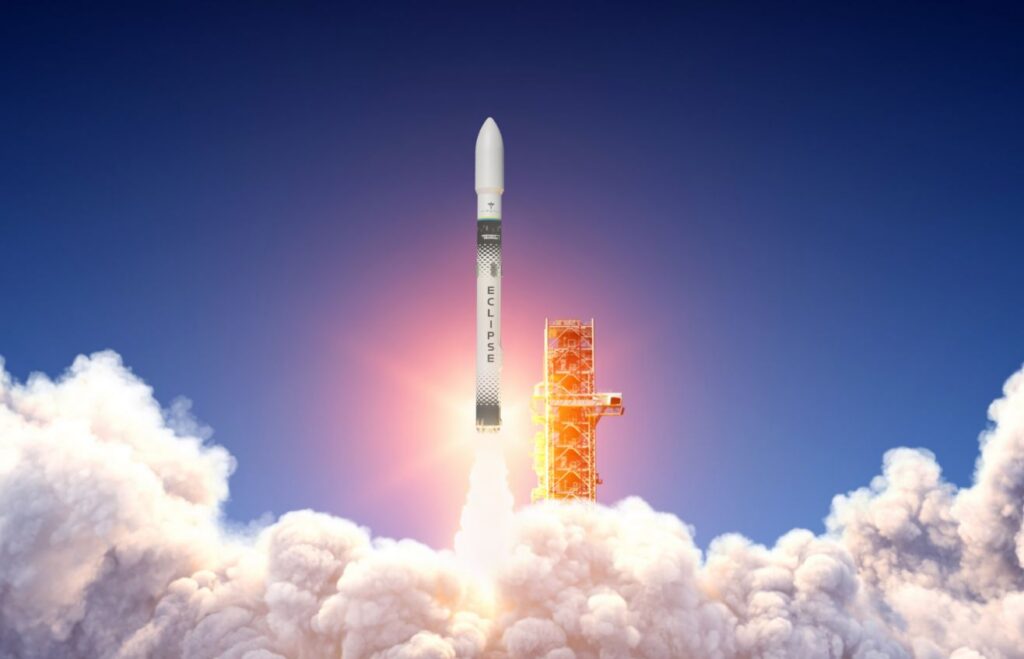
Will we ever see the Eclipse rocket fly?
Credit:
Firefly
Firefly/Northrop Grumman: Eclipse
We began this article with the Antares rocket, which was developed by Orbital Sciences. That company was later acquired by Northrop Grumman. A few years ago, seeking a home-grown alternative to Antares, Northrop announced a partnership with Firefly to co-develop the Eclipse rocket.
Firefly is developing the Miranda engines that will power Eclipse’s first stage, and this work appears to be progressing well. But there has been little public talk about development of the first and second stage hardware that will be built around the Miranda engine. Similar to Rocket Lab, Firefly and Northrop are also working with carbon-composite structures, so there may be some challenges there.
The partnership between Firefly, a new space company, and Northrop, a traditional space company, is also likely to produce some friction. It is difficult to make an educated guess on Eclipse because there is so much uncertainty about the rocket’s development. Typically, that means things aren’t going well or quickly. For now, we’re leaning toward pessimism.
Predicted launch debut: NET 2029