dailynewsnblog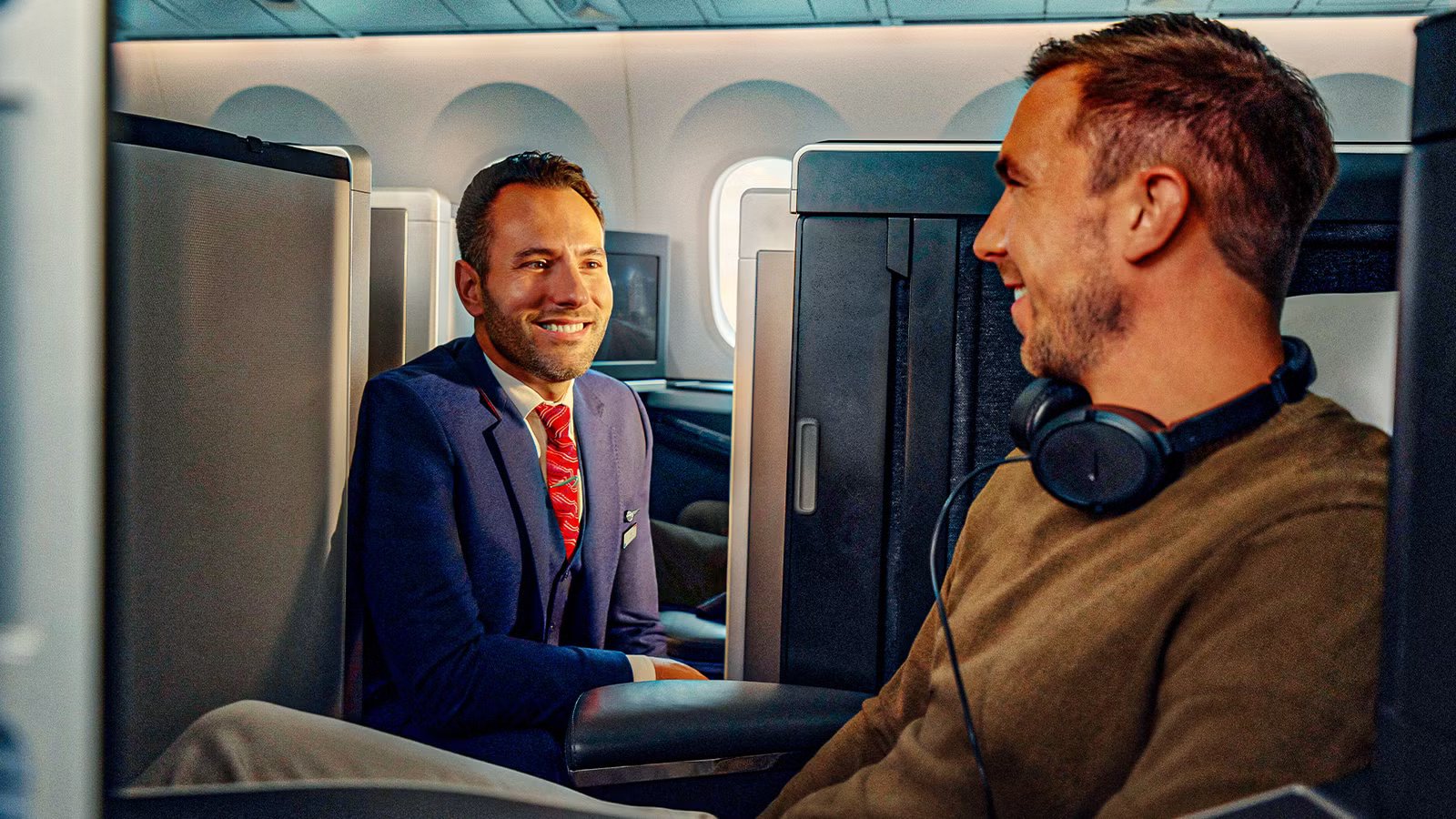
For some passengers, cabin crew are viewed primarily as the people serving drinks, collecting trash, and making announcements during the flight. But in reality, flight attendants are safety professionals first and foremost, trained extensively to handle emergencies, monitor passenger behavior, and keep hundreds of people safe inside a confined space several miles above the ground. Passengers who understand this distinction immediately stand out to crew members, often in the best possible way.
Modern air travel can be stressful for everyone involved, especially as cabins become fuller, delays become more common, and tensions rise more easily than they once did. Because of that, the passengers’ cabin crew appreciate that most are usually not the flashy frequent flyers or demanding premium travelers, but the people who are polite, cooperative, and easy to deal with from boarding to arrival.

Delta Air Lines | Simple Flying
Boarding is one of the busiest parts of any flight, even if most passengers never fully realize how much is happening behind the scenes. While passengers may arrive stressed, particularly at large hubs like  Hartsfield-Jackson Atlanta International Airport (ATL), and then search for their seats and lift their bags into overhead lockers, flight attendants are monitoring luggage space, checking for potential safety issues, and observing passenger behavior from the moment people step onto the aircraft, be it as small as the Airbus A220 or as mighty as the A380.
That greeting at the aircraft door is not just performative customer service. Cabin crew are actively paying attention to passengers as they board, often identifying nervous flyers, people who may need extra assistance, or travelers who could potentially become disruptive later in the flight. A passenger who smiles, makes eye contact, and says hello immediately creates a more positive interaction.
Flight attendants consistently mention how discouraging it can feel when passengers completely ignore them, particularly on early morning departures when crew members may already have been awake for hours before the first passenger boards. Even a brief acknowledgment makes a difference because it recognizes the crew as people rather than background scenery inside the cabin.
Friendly passengers are also remembered, and while that does not mean special treatment or automatic perks, it often shapes how interactions unfold later in the flight. Crew naturally respond more warmly to travelers who begin the journey with kindness and respect instead of frustration or indifference.

Here’s What Flight Attendants Can Tell When You’re Experiencing Your 1st Long-Haul Flight
Flight attendants are quick to spot the inexperienced traveler. From boarding behavior to luggage mistakes, subtle signs give them away.
Basic Manners During Service Really Do Matter

Cabin service can quickly become repetitive and exhausting, especially on full flights, where flight attendants may serve hundreds of drinks and meals in a short time. In those moments, even small acts of politeness stand out because so many interactions have become abrupt and transactional. Flight attendants frequently say there is a noticeable difference between passengers who politely ask for something and those who simply bark out a one-word order. For example, saying “may I please have a ginger ale?” instead of just “ginger ale” may seem minor, but crew members absolutely notice the difference because basic courtesy has become less common than many people assume.
The issue is not about formal etiquette so much as simple respect. During service, flight attendants are balancing carts, handling hot drinks, responding to special requests, and simultaneously monitoring the cabin for safety concerns. Polite passengers make that process feel far less draining, and this becomes especially important during delays or disruptions. Passengers sometimes direct frustration toward cabin crew over weather delays, catering shortages, turbulence, or gate problems, even though flight attendants have no control over those operational decisions. Travelers who remain calm and courteous during stressful situations are often deeply appreciated because they help lower tension throughout the cabin rather than increase it.
Good manners also influence the overall atmosphere onboard. Flights where passengers are patient and respectful tend to feel calmer for everyone involved, while hostile or demanding cabins can quickly become unpleasant environments for both crew and travelers alike. Cabin crew remember kind passengers because kindness genuinely improves the working environment during long days of flying.
Taking Off Headphones Makes Life Easier For Crew

One of the simplest ways passengers can make interactions smoother is by removing headphones when the cabin crew speaks to them. While this may sound obvious, flight attendants regularly describe the frustration of trying to communicate with passengers who remain completely absorbed in movies, music, or noise-canceling headphones during service.
Crew members often have to repeat themselves multiple times to passengers who never look up from screens or acknowledge questions. On busy flights, those repeated interactions slow service significantly and create unnecessary stress during already demanding cabin operations. On short-haul airlines such as  Southwest Airlines, flight attendants are likely to be operating multiple flights per day, interacting with hundreds of passengers, and even those only working on one long-haul flight on the likes of
  American Airlines or
  Delta Air Lines still deal with many passengers.
More importantly, not every interaction onboard is related to food or drinks. Flight attendants may need to communicate safety instructions, resolve seating issues, clarify meal requests, or address concerns about carry-on bags. Passengers who remain attentive make those interactions far quicker and easier, and simply pausing entertainment for a few seconds and removing one earbud demonstrates awareness and cooperation. Cabin crew consistently appreciate travelers who are engaged enough to respond promptly rather than forcing repeated attempts at communication.
Another common frustration involves passengers trying to hand flight attendants loose trash while meal or beverage service is still underway. Although people often mean well by attempting to clean up early, it can actually complicate service because crew may not yet have trash bags available or free hands to collect items safely. Waiting until the service is finished or until a dedicated trash collection pass occurs makes things much easier.
These are small habits, but they happen constantly throughout every flight. Passengers who remain observant and considerate quickly become noticeable in a positive way by reducing unnecessary complications during busy service periods.
How Airlines Ensure Cabin Crew Safety & Security During Layovers
Situational awareness is key to staying safe as well as following your airlines recommendations.
Following Safety Instructions Without Resistance Helps Everyone

Before take-off and landing, flight attendants perform detailed cabin checks to ensure the aircraft is secure for the most critical phases of flight. Seatbacks must be upright, tray tables stowed, aisles clear, bags properly secured, and window shades open. While some passengers view these requests as unnecessary inconveniences, every instruction serves a specific safety purpose. Passengers who simply comply without argument are among the crew’s favorite travelers because they make the cabin easier and safer to manage. Cabin crew spend a surprising amount of time repeatedly asking passengers to complete basic safety tasks that should require only a single reminder.
Window shades are opened so crew and passengers can better assess outside conditions during an emergency evacuation, while upright seats help maintain clear evacuation pathways. Properly stowed bags reduce injury risks during sudden stops or turbulence, and these rules are not random airline policies designed to annoy passengers.
Unfortunately, some passengers treat safety instructions as optional suggestions rather than mandatory aviation procedures. Flight attendants regularly encounter passengers who refuse to store laptops, continue phone calls during taxi, or argue about oversized bags. Situations like these create unnecessary stress and distract crew members from more important safety responsibilities.
Passengers who quietly follow instructions are deeply appreciated because they allow flight attendants to focus attention where it is genuinely needed. They also help the flight operate more efficiently by reducing delays caused by repeated announcements or individual confrontations. Frequent flyers usually understand this instinctively – they know the easiest way to move through the departure process is cooperation rather than resistance, and cabin crew consistently notice passengers who approach flying with that attitude.
Small Gestures Of Kindness Leave A Big Impression

In recent years, some passengers have started bringing small gifts for cabin crew, especially on long-haul or holiday flights. Flight attendants consistently say that thoughtful gestures such as candy, chocolates, coffee shop gift cards, or handwritten thank-you notes can genuinely brighten their day, even though gifts are never expected. The value of the gift itself is rarely important – what matters is the recognition that cabin crew work difficult jobs involving long hours, irregular schedules, tired passengers, and constant responsibility for safety. A small gesture of appreciation can feel meaningful in an environment where crew members often hear complaints far more frequently than compliments.
Off-duty flight attendants are particularly known for bringing treats onboard because they understand firsthand how exhausting certain trips can become. During weather disruptions, ultra-long-haul flights, or busy travel periods, passenger kindness can make an enormous difference to morale.
Passengers should never expect rewards in return, and most crew members emphasize that gifts do not guarantee upgrades or special perks. However, flight attendants are naturally more inclined to go above and beyond for travelers who create positive interactions. Friendly passengers may suddenly receive extra snacks, additional drinks, or more attentive service simply because they treated the crew well.
Importantly, kindness does not require spending money. Even a sincere thank-you as you leave the aircraft can leave a lasting impression. Flight attendants often mention that passengers who acknowledge the crew at the end of a difficult flight stand out because genuine appreciation has become surprisingly uncommon. These moments help humanize air travel, which can otherwise feel impersonal and stressful for both passengers and crew. Small gestures of respect and gratitude go a very long way inside an aircraft cabin.
Cabin Crew Notice Far More Than Passengers Realize

Many passengers underestimate how closely flight attendants monitor the cabin throughout a flight. Even during service, crew members constantly observe passenger behavior, identify unusual situations, and discreetly communicate concerns to one another. Passengers who appear intoxicated, behave aggressively, repeatedly ignore instructions, or create tension with other travelers are usually noticed almost immediately. Cabin crew are trained to spot behavior that seems unusual because maintaining awareness is a major part of aviation safety.
At the same time, flight attendants also notice the passengers who make the cabin easier to manage. Travelers who remain calm, polite, and cooperative stand out positively because they contribute to a smoother environment onboard. Low-maintenance passengers who are respectful toward both crew and fellow travelers are often remembered most fondly after the flight ends.
Courtesy toward other passengers matters too, and passengers who avoid blocking aisles, monopolizing overhead lockers, or playing loud videos without headphones help create a more comfortable atmosphere throughout the cabin. Flight attendants pay attention to these behaviors because overall cabin harmony directly affects how smoothly the flight operates.
Flying can be stressful even under ideal circumstances, as airports are crowded, schedules change constantly, and many people board already frustrated before take-off. Yet cabin crew consistently say the same thing – passengers who are patient, attentive, and kind make an enormous difference. The passengers that flight attendants appreciate most are usually not the loudest or most demanding people onboard, but the ones who understand that basic respect still matters at 35,000 feet.