dailynewsnblog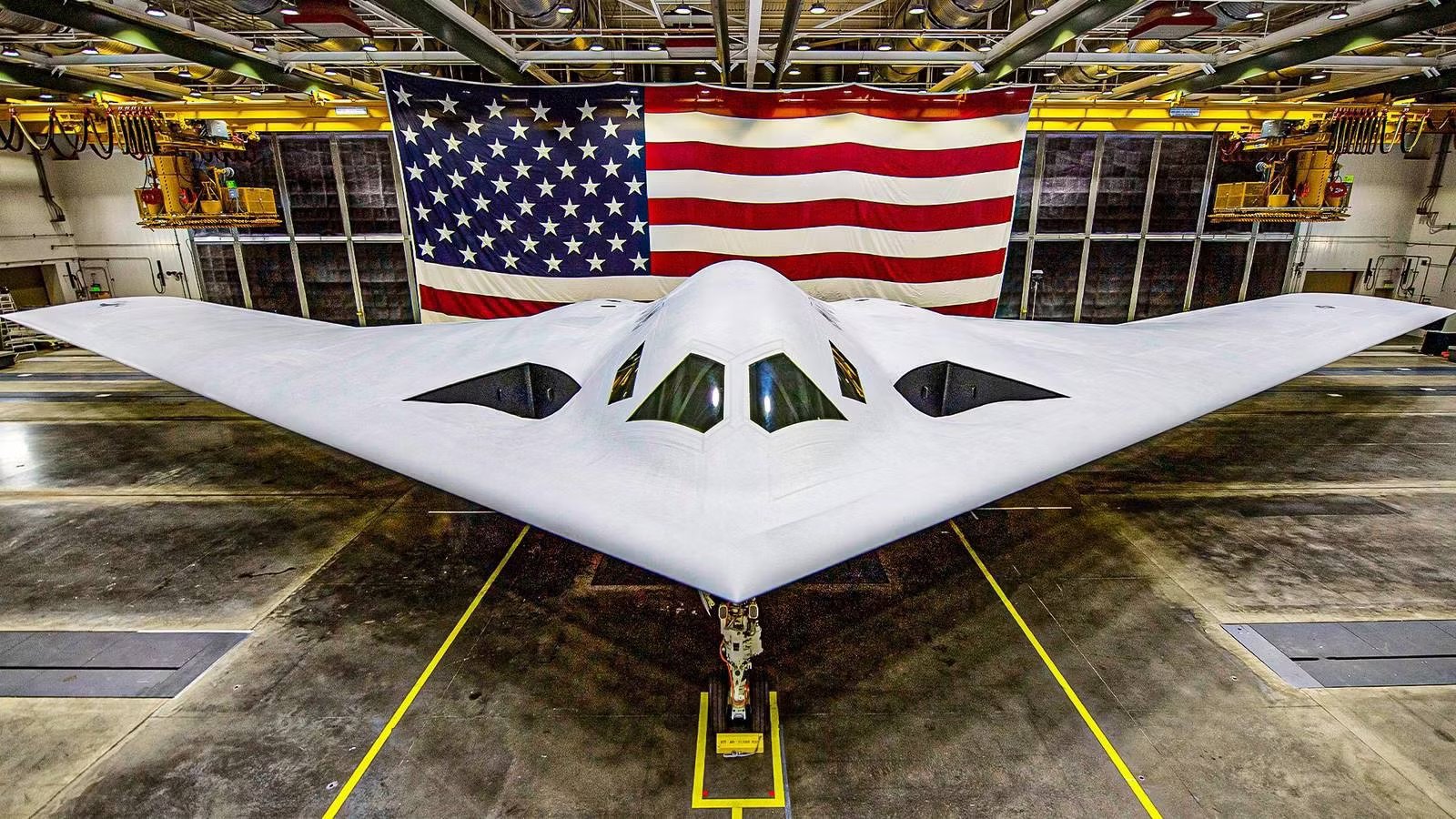
On July 9, 2026, the Department of the Air Force ended more than a year of internal debate by confirming the B-21 Raider will fly with two pilots in the cockpit, not a pilot-and-sensor-operator crew or a single aviator backed by autonomy. The decision matters beyond the flight deck. One question that follows is whether flying the Air Force’s newest, most expensive bomber means pilots are paid more than other combat aviators.
The comparison many may make is between the pilots of the Lockheed Martin F-35 Lightning and stealth fighters. As the second fifth-generation fighter jet in US military history, it is one of the most important next-gen aircraft in the entire Western bloc of military defense. However, B-21 Raider pilots and F-35 pilots earn the same core pay if they share the exact same military rank, years of service, and deployment location.
The Air Force structures its pay scales uniformly across all aircraft platforms, meaning a pilot’s specific airframe does not dictate their base salary. Military compensation relies on standardized tables rather than the specific type of aircraft flown. While active-duty base military pay is standardized, the personal and professional rewards of flying these cutting-edge platforms remain unmatched, and they are thus some of the most competitive jobs in the military to get.
USAF Pilot Salary Overview

Air Force compensation starts from the same place for every pilot regardless of what they fly: the DoD basic pay table, set by rank and years of service. A new 2nd Lieutenant starts at roughly $4,150 monthly or $49,800 annual salary, while a Captain with four years of service earns about $7,380 per month or $88,560 a year.
Pilots receive extra monthly pay that increases with experience, starting at $150 per month and reaching up to $1,000 per month for senior roles. Beyond the paycheck, the Air Force provides several benefits that would cost a civilian thousands of dollars. The US military provides full medical coverage for free to pilots as well as their families.
Adding to the base pay is additional compensation for housing and food, which are also not taxed, meaning take-home pay can be higher by comparison to a civilian gross salary. Housing pays the biggest swing factor as it can range from $1,800 to $3,000+ per month, depending on your location and family status. These combined allowances are variable and usually change with every new assignment or set of orders.
Retirement is also an extremely important long-term financial factor. The military retirement fund requires less investment than many private financial options and yields a strong return after a comparatively short period. A USAF pension that can provide 50% or more of base pay after 20 years of service.
The Pilot Rank System

In the military, ranks, schedules, and pay follow a rigid, predictable timeline. Military officers are promoted on a nearly identical schedule for the first several years. The first promotion comes after 24 months of service from 2nd Lieutenant to 1st Lieutenant. Promotion to Captain comes after 24 months from 2nd Lieutenant, which is a total of four years from the commissioning date, or day one of a military officer’s official career.
Until Major, all promotions are automatic. This is the first competitive rank selection. It usually takes between nine and eleven years to be chosen for promotion to Major. Each rank promotion comes with an increase in base pay as well as a proportional boost in incentive and special pay, as well as other benefits.
Even if a pilot stays at the same rank, they get a raise every 2 years of total service. Another major incentive is the free educational benefits. Unlike civilian flight schools, where you pay to learn, the military pays its pilots while they train.

A Captain with four to ten years of service, when factoring in flight incentives and other benefits, can fall between $115,000 on the low end and up to $155,000 on the high end. Looking at the field-grade leadership of the USAF, Lieutenant Colonels and Colonels earn between $87,000 and $124,000 per year as Base Pay.
Flight Pay can hit a max of $1,000 per month, depending on time in service. That puts total compensation from $120,000 to over $200,000. The US Government also caps Captain Pay at just over $15,000 per month. The total annual compensation for a major in 2026 can range from $150,000 to over $170,000 annually.
The total yearly compensation for General Officers typically ranges from $225,000 to over $300,000. Brigadier Generals are the first rank in this echelon of the USAF. This pay grade range begins at around $14,000 on average. Moving up to Major General Pay starts around $13,000 and tops out at the federal cap of $18,999 per month. Lieutenant Generals and Generals all typically hit the monthly cap of $18,999.
Why Flight Pay & Bonuses Can’t Compete With Airlines

In the US Air Force, Aviation Incentive Pay, or flight pay, is a monthly stipend to reward military aviators for specialized skills and the risk they take every time they fly. AvIP ranges from $150 to $1,000 per month based on experience and is widely considered insufficient to match the skyrocketing compensation in the commercial airline industry. This is primarily because its rates are fixed by law and do not scale with market demand or inflation.
For a new pilot, flight pay is $150 per month and at the two-year mark that goes up to $250. Current market data shows that for every year a pilot stays in the military instead of joining an airline, they lose potential earnings. After six years in the cockpit, pilots received $700 per month. Once a pilot has been flying for 12 years, they hit the maximum cap of $1,000 a month in incentive pay.
Even with the Air Force offering retention bonuses of up to $600,000 over 12 years, senior airline captains can still earn significantly more over the same period, which has led to a growing staff shortage. Even so, while there are a myriad of financial reasons and quality of life justifications to not pursue flying the B-21 or the F-35, they remain top choices for USAF aviators.
It’s not simply prestige that goes along with being one of the select few chosen to take the controls of some of the most advanced planes ever constructed. It takes decades of dedicated service and commitment to skills, physical fitness, education, and the other demands of military service to even be considered.
The Appeal Of Commercial Flying To Veteran Aviators

Commercial airlines can offer two or three times higher salaries than the US Air Force. This is already enough incentive for many pilots to opt out and leave the service. Compounding the massive financial gap is the disparity between the work-life balance. At an airline, pilots leave work in the cockpit every day when they finish flying. In the USAF, the high operational stress of both flying and non-flying duties is a well-known constant pressure of life in the military.
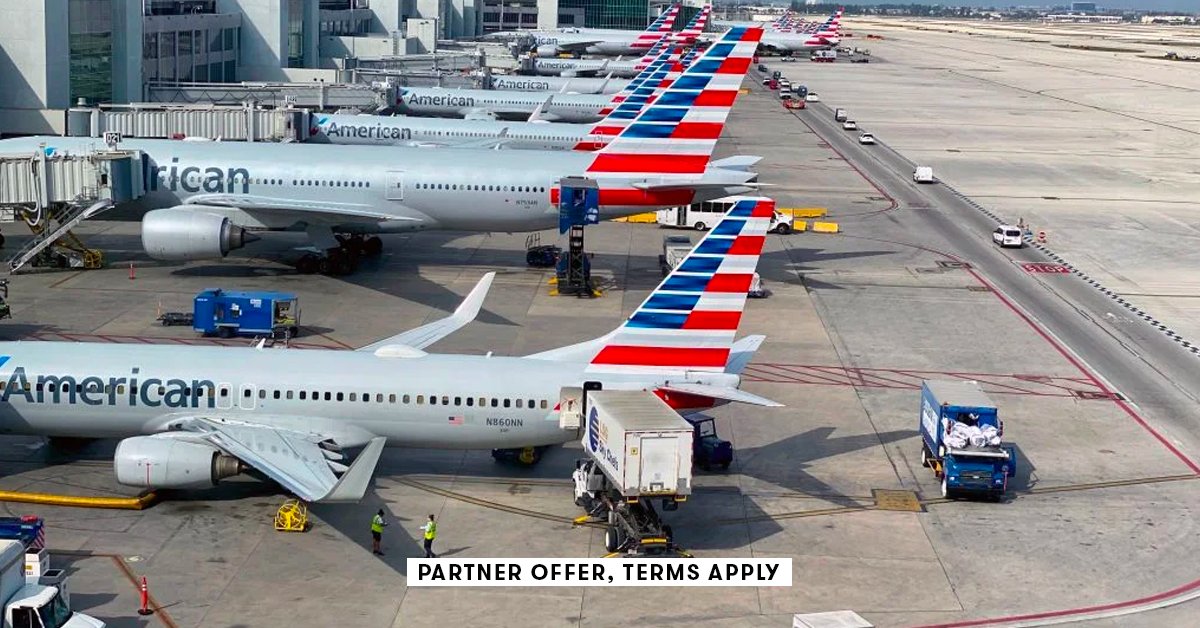
A severe shortage in the civilian sector has led major airlines like Delta Air Lines, United Airlines, and American Airlines to aggressively recruit. Military pilots often meet the FAA’s 1,500-hour requirement for an Airline Transport Pilot certificate immediately upon separation, making them ‘plug-and-play’ hires. Still, many military pilots choose to stay in the service out of both patriotism and professional pride in their skills as combat aviators.
While military pay is very competitive, commercial airlines, especially legacy carriers of the ‘Big Three’, advertise significantly higher ceiling potential for experienced pilots. Delta, United, and American Airlines offer pay that is based on hourly flight rates. Top-rank captains flying international widebody routes can exceed $550,000 annually before bonuses. Senior captains at major airlines can earn more than $450 per hour.
Even The Puddle Jumpers Pay Better

First-year first officers at top regionals now typically earn between $90,000 and $120,000 annually. Many regionals are wholly owned subsidiaries of major airlines, which provide a guaranteed career path. Pilots can often upgrade to Captain in as little as two years, significantly faster than the major airlines.
Regional airlines act as the primary feeder system for major carriers. Due to the pilot shortage, some regional airlines have started to offer five-figure sign-on bonuses to bridge the gap until pilots reach major carriers. Depending on experience, bonuses can range from $15,000 to $200,000 or more.
Yet, these dollar amounts are impressive but remain unconvincing to many of the aircrew chosen to command the most ‘exquisite’ warplanes in the US Arsenal. Pilots fiercely compete for the chance to take control of both the B-21 and the F-35. The pipeline for both of these aircraft remains in high demand even with the staffing shortages in the service. Whether it’s service to the country or the thrill of flying a high-tech warbird, the Air Force has no problem finding pilots to fly its next-gen jets.