dailynewsnblog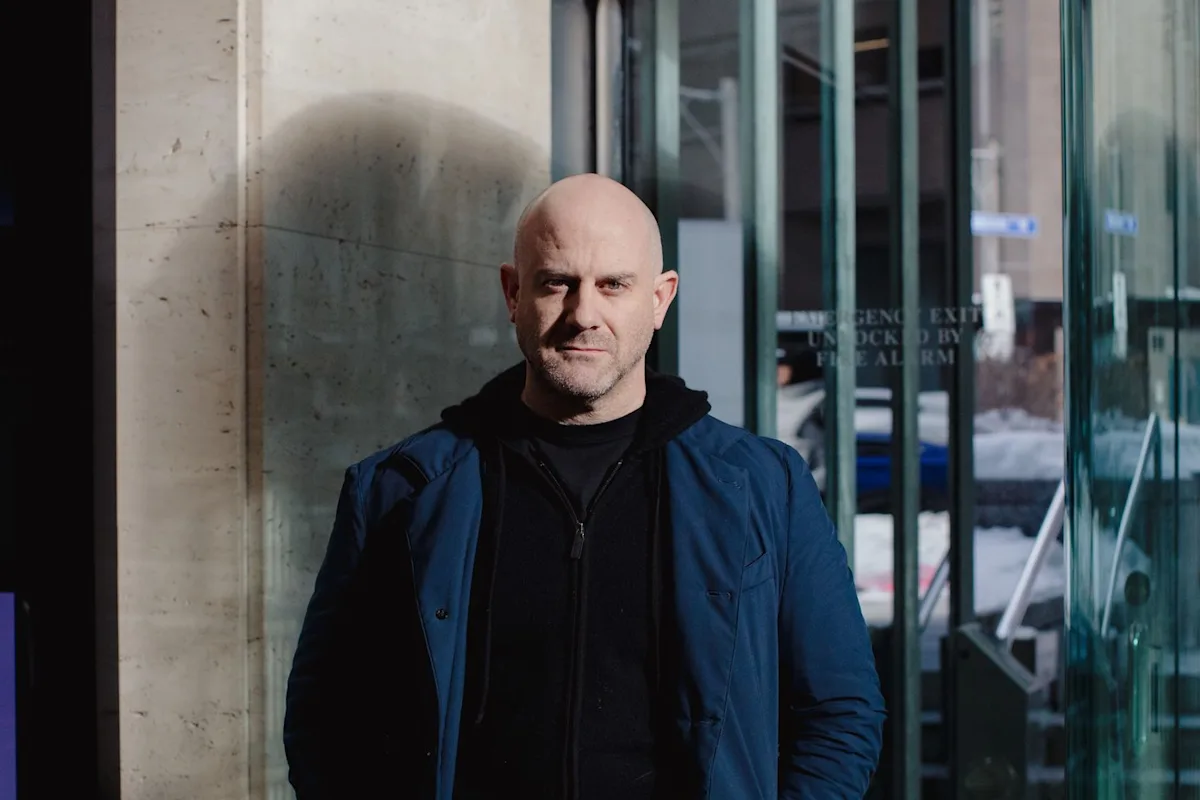
TORONTO — When Katheron Intson was trying to drum up cash for her Canadian drone manufacturing company last year, only investors from south of the border expressed interest.
“I would have thought that we were on a fast track to becoming an American company,” the chief executive of Sentinel R&D admitted at a Toronto Tech Week event Monday.
But now that the ongoing tariff dispute has made sovereignty Canada’s hottest topic, she said the country has “woken up” to Sentinel’s potential.
The trouble? Domestic funding still needs to catch up.
Canada and its investors don’t support burgeoning defence companies enough and when they do, that support is slow to come by and often pales in comparison to what they can get elsewhere, entrepreneurs at the event said Monday.
“The biggest risk to us, of course, is becoming a non-Canadian company,” Intson said.
“We haven’t seen Canadian investors have the same level of bravery as some of our allies in investing in the space.”
Intson’s point of view is not new. Canadian entrepreneurs have long lamented having to look to international markets because homegrown investors are less likely to give them the cash they need to scale their businesses.
But her experience is taking on a new urgency amid dramatically shifting geopolitical winds. Global trade tensions are flaring, the U.S. president has teased wanting to make Canada the 51st state and two wars are threatening to shape a new world order.
Canadian companies say they are ready to meet the moment, if only they could find the support.
Part of the trouble, Intson said, is that few investors — other than the government-owned Business Development Bank of Canada or security-focused fund One9 — even want to back defence companies.
“We haven’t yet seen the rest of the funds catch up in terms of this new reality for Canadian defence,” she said.
“Should they choose to follow suit, that would be great, but so far the idea that BDC and a couple of other select funds like One9 being the only funds with the guts to invest in this space, I think that is concerning.”
The federal government has a role to play, too.
Intson has seen signals that it is improving, but Eliot Pence, chief executive of defence contractor Dominion Dynamics, still finds government procurement moves too slow.
He said it took the country 16 years to buy F-35s and 20 to consider what drones to buy.
Meanwhile, Ukraine, which is locked in a war with Russia, is “buying things, honestly, like overnight from a sort of Amazon-esque marketplace.”
“We’re now at an inflection point where we can’t consider what to buy for a decade. We have to buy it now,” Pence said.