dailynewsnblog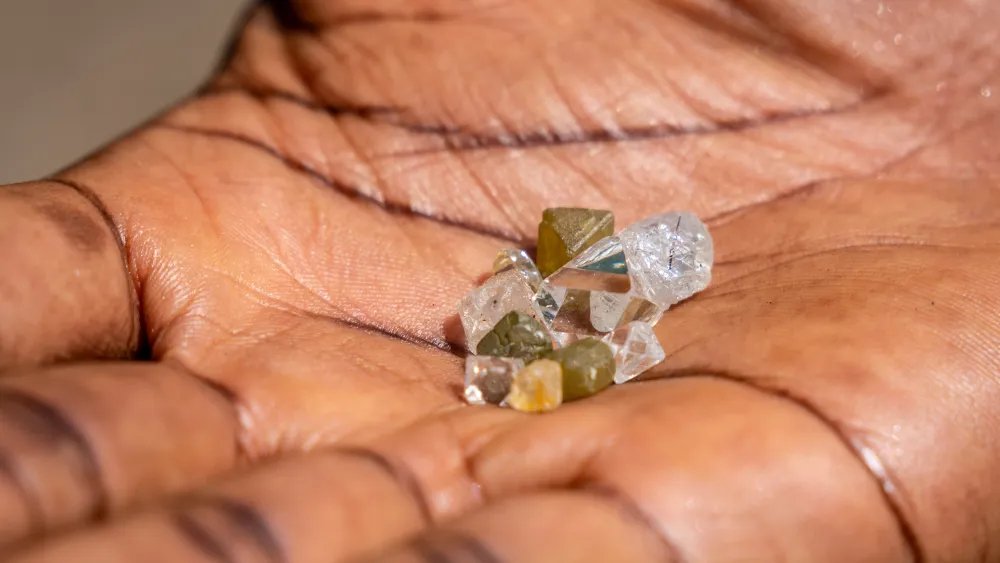
LONDON — De Beers Group’s GemFair diamonds are ready for their moment in the sun.
After years of investment, and a long-standing pilot program in Sierra Leone, De Beers will offer ethically sourced, artisanal-mined stones for purchase by high-end independent jewelers through its polishing division.
The stones, which are collected at ground level rather than from craters, are the fruit of De Beers’ GemFair program, which aims to empower independent, artisanal miners. They will be available to jewelers starting in February.
As part of the launch, De Beers London, the mining giant’s retail jewelry brand, has created a capsule collection that showcases the diamonds.
The 12-piece capsule marks the first time that GemFair diamonds have been used in jewelry. The capsule, which features rough and polished stones, debuted earlier this week during Paris Couture Week.
Emmanuelle Nodale, chief executive officer of De Beers London, said the brand was “proud to be the first jeweler to launch a collection featuring GemFair ethically sourced diamonds.”
She added the jewelry carries “not only the beauty of the diamond itself, but also the human stories behind it — stories of pride, opportunity and meaningful impact for artisanal mining communities. This collection marks an important step in our ongoing commitment to GemFair and to raising awareness of the program’s important work.”
The capsule features the Toi et Moi rings and Modern Lines jewelry set. The Toi et Moi rings showcase raw and polished diamonds from the same “rough,” while Modern Lines includes a necklace, bracelet and drop earrings. Those pieces feature a combination of polished, round brilliant diamonds and triangular and portrait-shaped rough diamonds.
De Beers launched GemFair in 2018 as a pilot program in Sierra Leone, despite not having any mines in the country.
Its aim was to create an infrastructure for independent miners, many of whom also work as farmers, and to help them secure a fair price for their diamonds.

Emmanuelle Nodale, CEO of De Beers London.
Courtesy of De Beers
Through the GemFair program, De Beers offers training to improve mining and working practices, and a traceable route-to-market for the artisanal diamonds via an app.
GemFair has more than 500 mining sites and about 7,000 workers taking part in the pilot. The miners receive tool kits and training and interface with GemFair via the app, which allows them to log, weigh and trace their diamonds’ journey.
Trade customers are also able to trace GemFair diamonds straight back to the miner who brought them to market.
By setting up GemFair, “we wanted to show that the artisanal and small-scale diamond mining sector was worth supporting, and we’ve seen a huge impact on people’s lives so far,” said Ruby Stocklin-Weinberg, program manager at GemFair, which is part of Building Forever, De Beers Group’s long-term sustainability program.
She added the program gives miners “fair access to international markets, raises standards and ensures fair value.”
Stocklin-Weinberg said the artisanal miners in Sierra Leone have had a particularly hard time due to the common misconception that the country is still a conflict region with unethical sourcing and trading practices.
Sierra Leone’s civil war, which ended in 2002, has become synonymous with the “blood diamonds” scandal. During the war insurgents forced independent miners to scour for diamonds, which they would sell to buy weapons, wreaking havoc in the country.

Toi et Moi rings with GemFair diamonds.
Although the artisanal miners are now operating peacefully, under license from the government, the industry remains highly fragmented. The people buying their diamonds are mostly local dealers and exporters, and the miners have little or no access to the international market.
According to the Diamond Development Initiative, an international nonprofit organization, there are between 1 million and 1.5 million artisanal miners worldwide who hunt for diamonds by hand, sifting through gravel and scouring ancient riverbeds.
The diamonds they find are either left over from large mining operations or were brought to the surface by earthquakes and floods.
The company said the type of artisanal mining in Sierra Leone is “alluvial,” meaning the diamonds were separated from their volcanic kimberlite “pipes,” and then carried and smoothed by rivers over millennia.
De Beers purchases the diamonds specifically from artisanal miners in Kono, Sierra Leone, which is located close to a rich kimberlite pipe. With the success of the pilot, De Beers is exploring the feasibility of a potential pilot in Angola.
Later this year, the GemFair diamonds will also become part of De Beers’ Origin offer. Origin diamonds are sourced by De Beers from its mines in Botswana, South Africa, Namibia and Canada, and authenticated via Tracr’s blockchain platform.

Toi et Moi rings showcasing GemFair diamonds.
They can be fully traced “from source to store,” and customers who buy them get insights into the diamonds’ provenance, rarity and the positive impact they’ve made on communities and the environment.
Origin launched last year in the U.S., in partnership with a number of jewelers.
As reported, De Beers has been doubling down on mined diamonds. Last year it shut Lightbox, its lab-grown diamonds division, citing plummeting prices, mass distribution of lab-grown rocks, and a “renewed commitment to natural diamonds.”