dailynewsnblog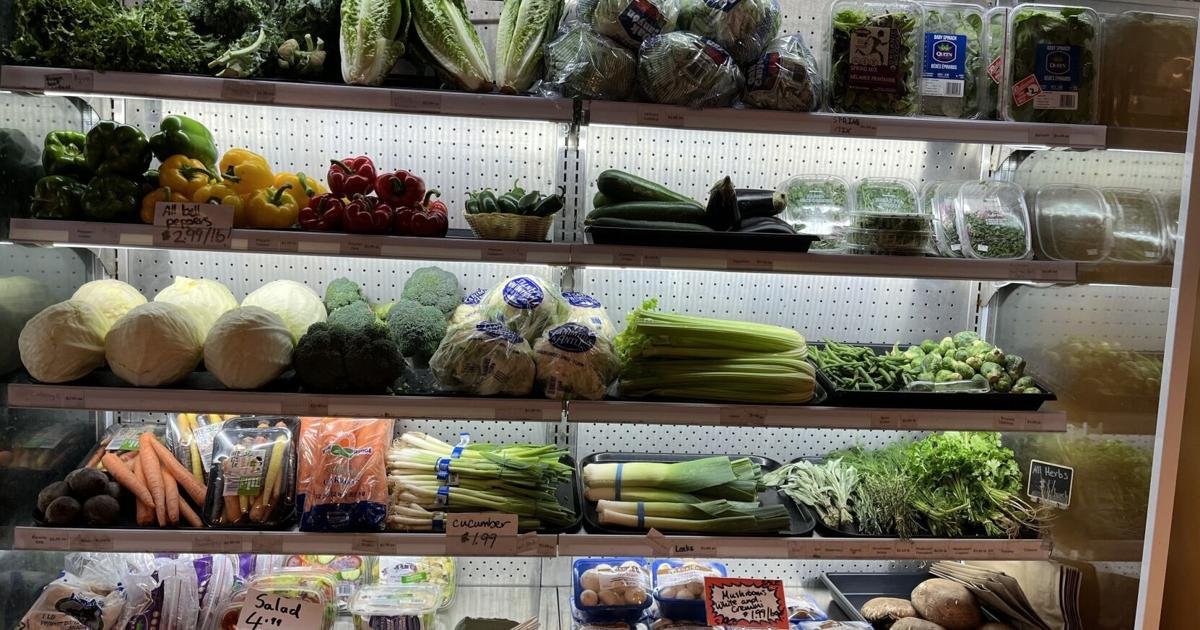
A food-borne cyclospora parasite outbreak in the U.S. that causes “explosive diarrhea” is raising concern.
While there aren’t any cases being investigated in Canada, and no confirmed source of this outbreak, summer remains peak season for infection.
The Public Health Agency of Canada (PHAC) says cyclospora is not commonly found on food and is not in drinking water in Canada, but infections usually increase in the spring and summer, linked to consuming fresh fruit and vegetables imported from other countries.
Advice from officials is to continue to wash your fruits and vegetables, but an Ontario food safety expert and University of Guelph professor Keith Warriner says washing produce isn’t always enough to get rid of some pathogens and parasites.
Why washing produce ‘doesn’t cut it’
Warriner said cyclospora is like the majority of microbes in that washing can be limited when it comes to getting rid of it.
Cyclospora has a tough, sticky outer shell, which makes it difficult to wash off produce.
“Sticking to the surface is one aspect but (it) also can be entrapped in crevices and stomata,” he said.
How can we rid produce of Cyclospora cayetanensis oocysts?
“Washing doesn’t cut it but we are working on a method based on hydroxyl-radicals to inactivate parasites like viruses and protozoa,” said Warriner.
The Cyclospora cayetanensis oocysts, which are the microscopic, dormant spore-like stage of the cyclospora parasite, are resistant to sanitizers such as bleach. The best defence against them is ensuring irrigation water is not contaminated by human sewage.
If you’re really concerned, Warriner advises you to freeze fruit and vegetables if possible.
Cooking can also reduce your risk.
Should we worry?
In the past, Warriner said cyclospora was related to travel-related infections.
Over the years, it has become endemic, especially in the southern United States, but not in Canada.
Warriner cautions that although it’s not endemic to Canada, it matters where the product you’re buying is from.
“We should worry as we import most of our fresh produce into Canada from South and Central America where the parasite is endemic,” he said.
In reporting by CTV News, University Health Network infection control director Dr. Susy Hota says that as a source hasn’t been identified, it’s possible we could see cases in Canada.
Is this a common parasite in Canada?
Warriner explains it’s not common in Canada and the cases that do occur are typically travel-related and related to food-borne outbreaks linked with imported fresh produce.
Warriner said there’s an outbreak in Canada about once every two to three years, but suspects the frequency will increase due to the spread of endemic populations of cyclospora in North America.
“Previous outbreaks have been linked to basil, cilantro, raspberries and lettuce,” he said.
Warriner said numbers are probably underestimated as new diagnostics to detect infectious cyclospora have recently been developed.
Previously, diagnosis was based purely on symptoms and looking at stool samples under the microscope.
What food items bring the highest risk of infection?
Warriner said not so long ago the only cyclospora cases were linked to basil from Mexico.
“It was an odd food association but thought to be due to the endemic cyclospora in the Baja region, which is where most basil is produced,” he said. “Since then there have been outbreaks linked to lettuce and soft fruit.”
Where are we most at risk of contracting this parasite?
Warriner said the biggest risk is when travelling to exotic countries and drinking contaminated water or ice.
“If cyclospora enters irrigation water then all produce in theory could be contaminated but typically it is herbs, lettuce and soft fruit such as raspberries — any produce that is not peeled and eaten raw,” he said.
What about freshly picked Ontario strawberries?
Could freshly picked strawberries from Ontario farms be a risk?
Warriner said given that we don’t have an endemic population of cyclospora in Canada, we don’t need to give it too much thought as far as freshly picked local strawberries go.
However, he explained, fruit imported from Central or South America would certainly be considered a risk.
While Warriner said it’s always good to wash strawberries just before consumption to remove any possible pesticides, insects and debris, it will not remove microbes.
What is the parasite causing ‘explosive diarrhea?’
In a July 4 news release, Michigan’s Department of Health and Human Services said previous outbreaks in the U.S. and Canada were linked to bagged salad mixes and kits, fresh cilantro (coriander leaves), fresh basil, raspberries, snow peas and green onions.
No specific produce grower or supplier, or specific produce type has been identified as the source of the state’s current outbreak.
“Cyclospora infects the small intestine (bowel) and usually causes frequent, watery and explosive diarrhea,” the agency said.
Which foods are most commonly linked to cyclosporiasis?
Dr. Neha Vyas, a family medicine physician at the Cleveland Clinic, said the cyclospora parasite has previously been found in berries, bagged salad, pre-cut vegetables and fresh herbs like basil and cilantro.
While anyone can be at risk of getting sick, people who are immunocompromised are especially vulnerable, Vyas noted in a news release.
Symptoms can take up to a week to develop and can include diarrhea, severe cramping, bloating, nausea and fatigue. In severe cases, a patient may require antibiotics. But in most cases, people will recover at home with rest and water.
“If your symptoms are not getting better, if you feel worse, if you’re unable to keep down any fluid, if you have severe abdominal pain, your fever doesn’t go away, or you’re vomiting, you should seek medical attention,” Vyas said.
Vyas added the best thing people can do to prevent getting sick is to thoroughly wash fruits and vegetables under running water before eating them. You should also wash your hands before and after preparing any food.
Is there any concern about the outbreak in Canada?
While the PHAC told Metroland Media it’s not investigating any cyclospora outbreaks in Canada as of July 8, summer is traditionally a peak season for infection, including cases linked to international travel.
A 2025 research article published by the National Center for Biotechnology Information states Cyclospora cayetanensis is a human-specific protozoan parasite that causes gastrointestinal illness, primarily through the ingestion of contaminated water or fresh produce. The study notes 5,337 cases of cyclosporiasis were reported in Canada from 2000 to 2022, using data from the Canadian Notifiable Disease Surveillance System, FoodNet Canada and outbreak investigations.
Adults aged 30 to 59 were “disproportionately affected” by the illness.
Enhanced surveillance data identified international travel, particularly to resorts in Mexico, as a common exposure.
Various fresh produce items were identified as items of interest, but few investigations led to the identification of a specific source of illness.
How can you reduce the risk of cyclosporiasis infection in Canada?
Mark Johnson, a spokesperson for the Public Health Agency of Canada, said the agency is not currently investigating any cyclospora outbreaks in Canada.
“In the spring and summer, there is usually an increase in cyclospora infections linked to consuming fresh fruit and vegetables imported from other countries,” Johnson added in an email.
According to Health Canada, an average of 238 cases of cyclosporiasis were reported annually through the Notifiable Disease Surveillance System between 2004 and 2019.
Following a 2017 cyclospora outbreak, the Public Health Agency of Canada said the cyclospora parasite is most common in tropical and subtropical regions like the Caribbean, South and Central America, South and Southeast Asia, the Middle East and Africa. In Canada, non-travel-related cyclosporiasis illnesses occur more frequently in the spring and summer, but illnesses among travellers can happen at any time of year.
“Cyclospora infections can be prevented by ensuring you are consuming fresh produce grown in countries where the parasite is not common, such as Canada, the U.S. and European countries,” the Public Health Agency of Canada added.
What is the latest cyclospora advice for Ontario residents?
In an emailed statement, Public Health Ontario (PHO) told Metroland the province experiences a seasonal increase in cyclosporiasis cases between May and September each year.
The parasite that causes cyclosporiasis, cyclospora cayetanensis, is not established in Ontario or Canada, and infections are typically associated with international travel or the consumption of imported contaminated food products, such as fresh produce.
PHO works with other health partners to monitor reported cases of cyclosporiasis and identify potential outbreaks. The agency said it has not identified any common source of infection among people who became ill in Ontario, and it has not identified any link between Ontario cases and outbreaks reported in other jurisdictions.
Tips to reduce the risk of cyclosporiasis
Public Health Ontario offers the following tips to reduce the risk of cyclosporiasis:
- Wash hands after using sanitary facilities and before preparing or eating food;
- Fresh fruits, vegetables and herbs should be thoroughly washed and scrubbed under running water before they are consumed;
- Refrigerate cut, peeled or cooked fruits, vegetables and herbs as soon as possible;
- Thoroughly cooking or baking fruits, vegetables and herbs will eliminate the risk of infection;
- Travellers, especially to developing countries or places currently experiencing a cyclosporiasis outbreak, should avoid any fruits and vegetables that cannot be peeled or cooked and should drink water from a safe (treated or boiled) source.
While washing fresh produce may not remove all contamination, PHO said it remains an important food safety practice and can help reduce the risk of exposure to a variety of food-borne pathogens.
Ontario residents should continue to follow general food safety practices and stay informed about any public health notices or food recalls, PHO added.
— With files from Mike Pearson