dailynewsnblog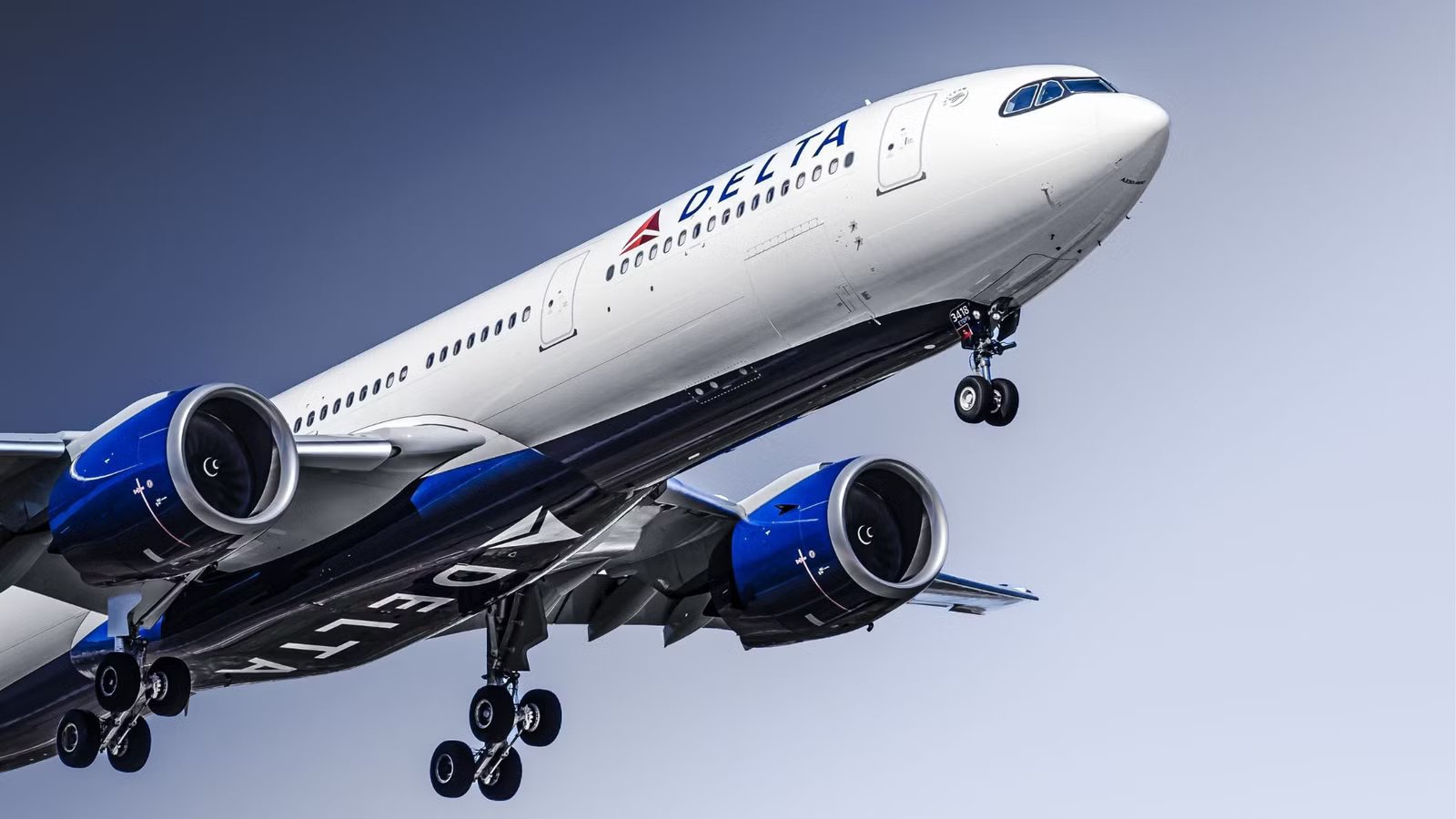
 Delta Air Lines is facing a lawsuit filed by passengers who were aboard Flight DL56, a scheduled service between Salt Lake City International Airport (SLC) and
  Amsterdam Schiphol Airport (AMS), following a severe turbulence event that occurred on July 30, 2025. The incident led to injuries among passengers and crew members and prompted the aircraft to divert before completing its scheduled transatlantic journey. The lawsuit, filed in Utah, alleges that those on board suffered physical injuries and emotional distress connected to the event.
Emergency responders met the aircraft upon arrival in Minneapolis, and multiple people required medical evaluation. Delta later confirmed that the flight landed safely after diverting from its original route. Investigative reviews and legal proceedings relating to the event remain ongoing.
Passenger Lawsuit Follows Turbulence Incident

Passengers involved in the legal action allege that the turbulence event caused injuries ranging from head trauma to orthopedic injuries. The lawsuit seeks damages connected to physical injuries and emotional distress reportedly sustained during the incident.
Attorneys representing the passengers described the event as “2.5 minutes of terror,” according to reporting by The Salt Lake Tribune. A lawyer with the Aviation Law Group, Casey DuBose, said in a statement: “Delta had the tools. Delta had the ability to avoid this weather and chose to disregard the warnings.” Court proceedings and aviation investigations operate independently, and no final legal or investigative conclusions have been issued. A spokesperson from Delta told Simple Flying:
“We’re unable to comment on active litigation involving a matter that is currently under NTSB investigation.”
Delta Flight DL56 Data And Aircraft Information

Flight DL56 was operated by an Airbus A330-941, part of the A330-900 family, registered as N422DZ. Aviation Safety Network identifies the aircraft as manufacturer serial number 2031 equipped with Rolls-Royce Trent 7000–72 engines. The aircraft entered service with Delta in 2023.
The aircraft forms part of Delta’s widebody fleet used primarily across international and long-haul operations. Delta’s use of the A330 family dates back to its merger with Northwest Airlines in 2008, through which the carrier acquired its first aircraft of the type. The airline currently operates multiple variants of the family, including the A330-200, A330-300, and A330-900NEO, using them on routes serving Europe, Asia, and other international markets. Fleet data from Planespotters.net shows Delta operates approximately 80 aircraft across the A330 family, making it the world’s largest operator of the type. Delta’s A330-900neo aircraft are configured to seat 281 passengers and have a published range of approximately 6,995 miles (11,257 km).
According to Flightradar24 flight tracking data, DL56 departed Salt Lake City at approximately 22:45 UTC and initially climbed to 35,000 feet. At 23:19 UTC, the aircraft began climbing toward 37,000 feet and encountered turbulence shortly after reaching that altitude. Flightradar24 reported that the aircraft later reached a maximum altitude of approximately 38,075 feet before descending to roughly 35,775 feet during the event. The aircraft subsequently stabilized and diverted to  Minneapolis–Saint Paul International Airport (MSP), where it landed safely at approximately 00:51 UTC.
Transatlantic U-Turn: Delta Air Lines Flight Returns To Boston After 30 Minutes Due To Smoke
A Delta flight from Boston to Nice turned back to its departure airport just 30 minutes into its journey, following reports of smoke on board.
Airline Response And Continuing Investigation

In a press release after the incident, Delta stated that the aircraft had encountered “significant turbulence” while operating the route from Salt Lake City to Amsterdam. The airline also said emergency responders and medical personnel met the flight after it arrived in Minneapolis.
Delta further stated that the aircraft carried 275 passengers and 13 crew members, adding that “Twenty-five of those on board were transported to local hospitals for evaluation and care.” The day after the initial announcement, Delta provided an update: “All seven crew members who were taken to area hospitals after the flight landed were treated and released by Thursday morning. All customers who were evaluated at the hospital and willing to share their status with Delta have also been released.”
Preliminary factual information released through aviation reporting included details involving altitude changes, weather deviations, and aircraft movement during the incident. The National Transportation Safety Board continues reviewing information related to the flight, and no final determination regarding cause or responsibility has been issued.